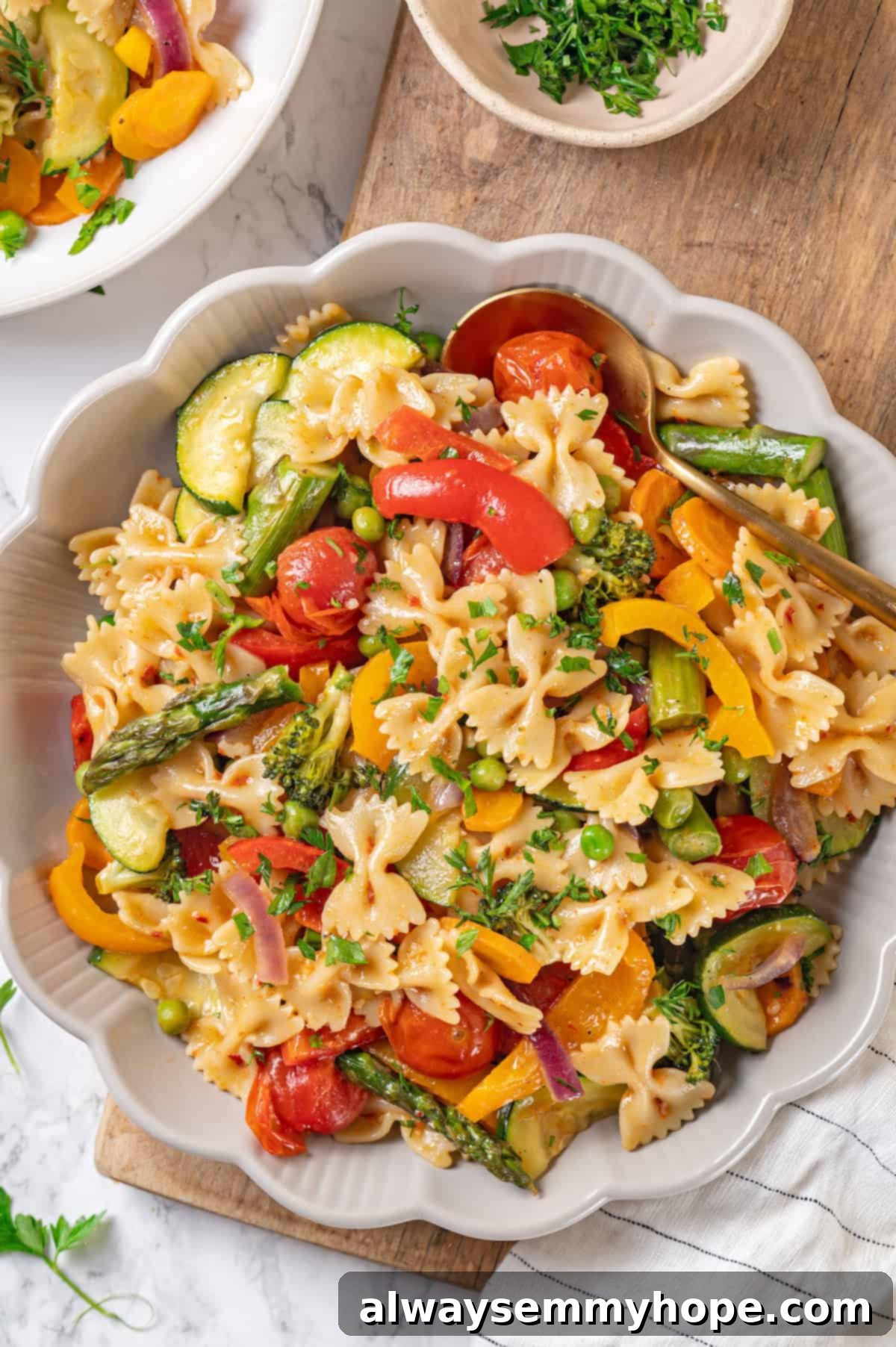
Roasted Vegetable Vegan Pasta Primavera: A Wholesome & Flavorful Plant-Based Delight
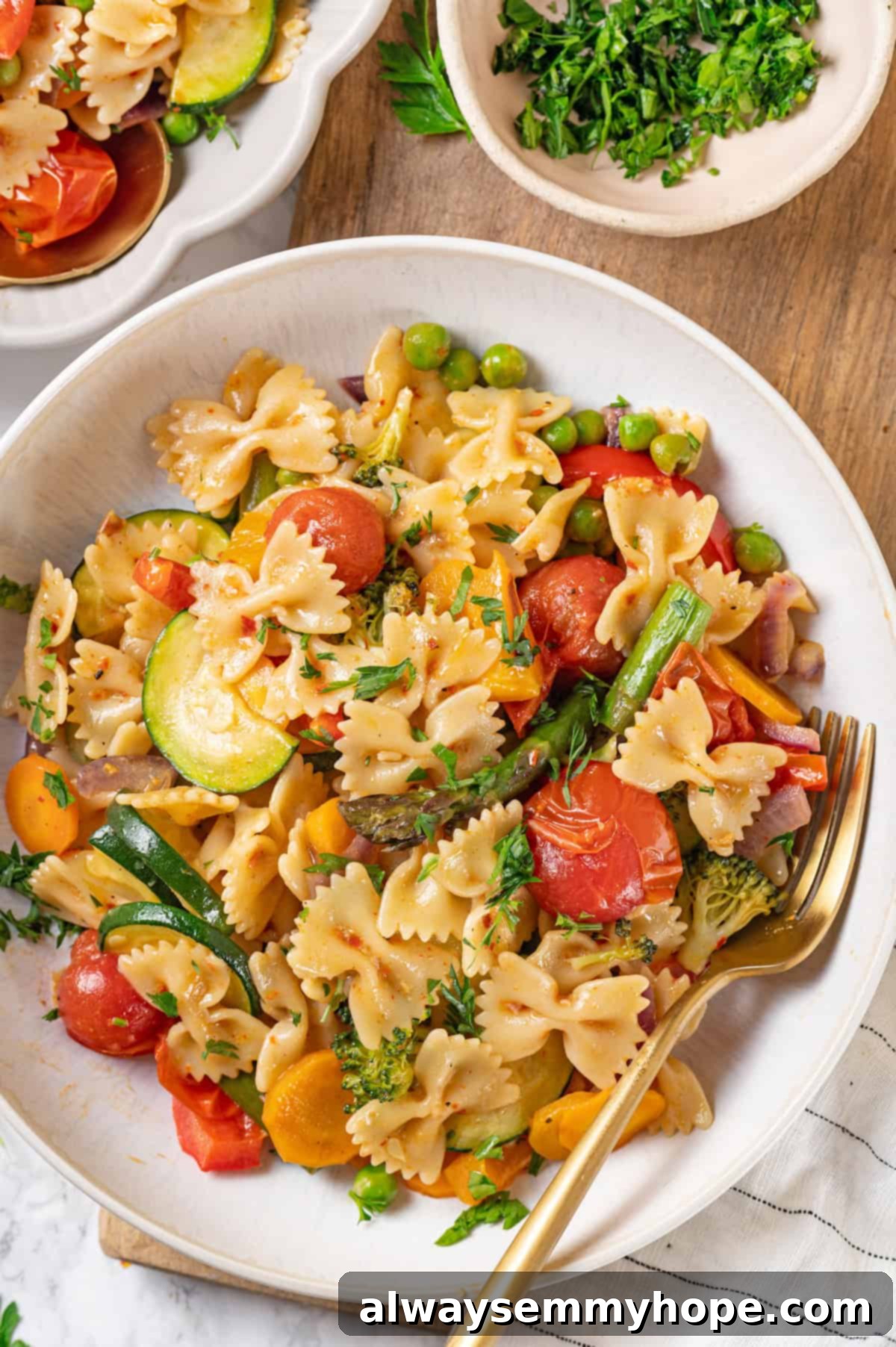
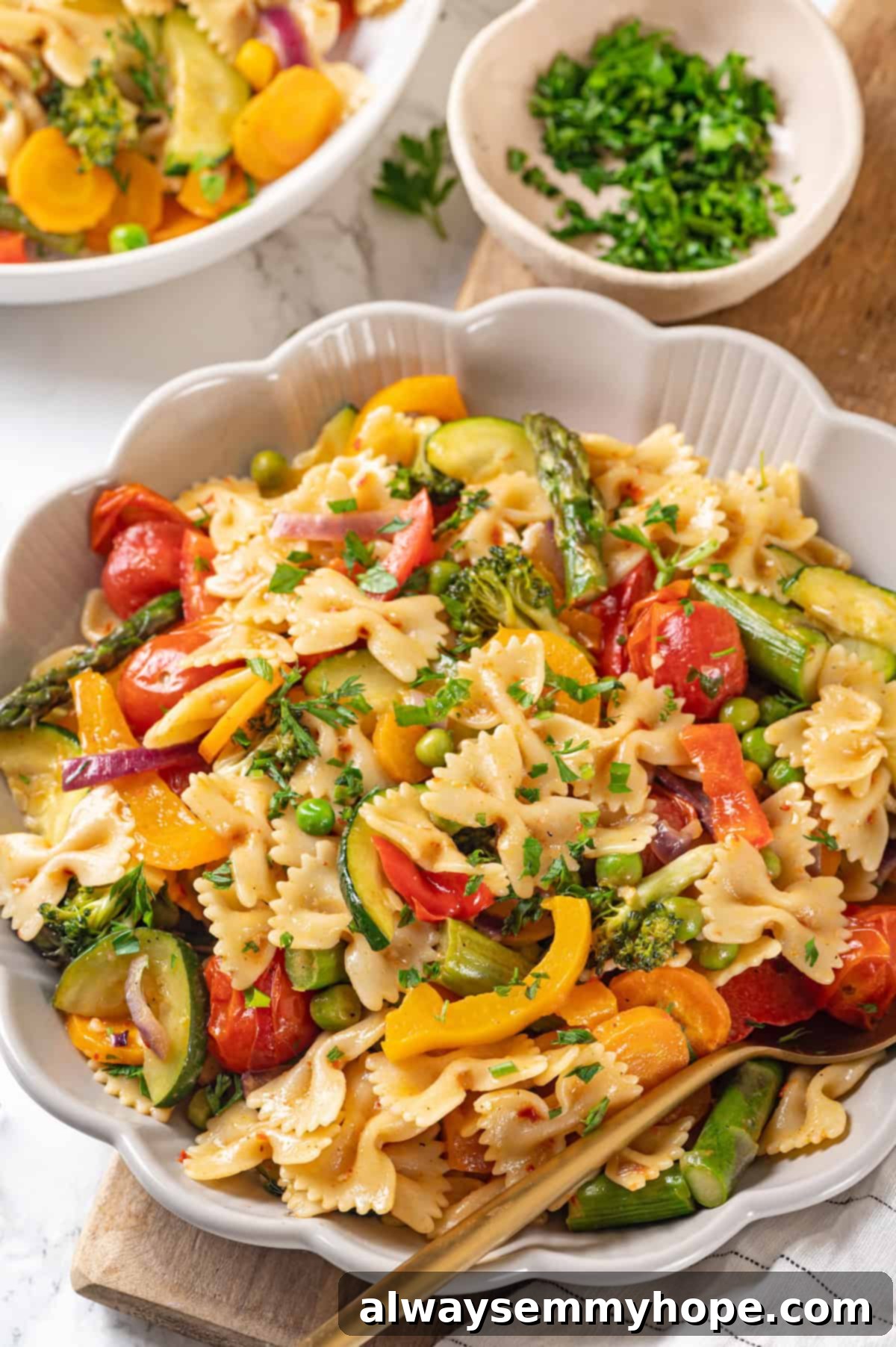
If you’re searching for a pasta dish that’s bursting with fresh flavors and packed with an abundance of vibrant vegetables, then this vegan pasta primavera recipe is absolutely perfect for you. Our unique approach takes this classic dish to a new level by roasting the vegetables, which deepens their natural sweetness and creates an irresistible caramelized texture. And let’s not overlook the star of the show – a rich, garlicky, and incredibly creamy vegan cheese sauce that ties everything together beautifully!
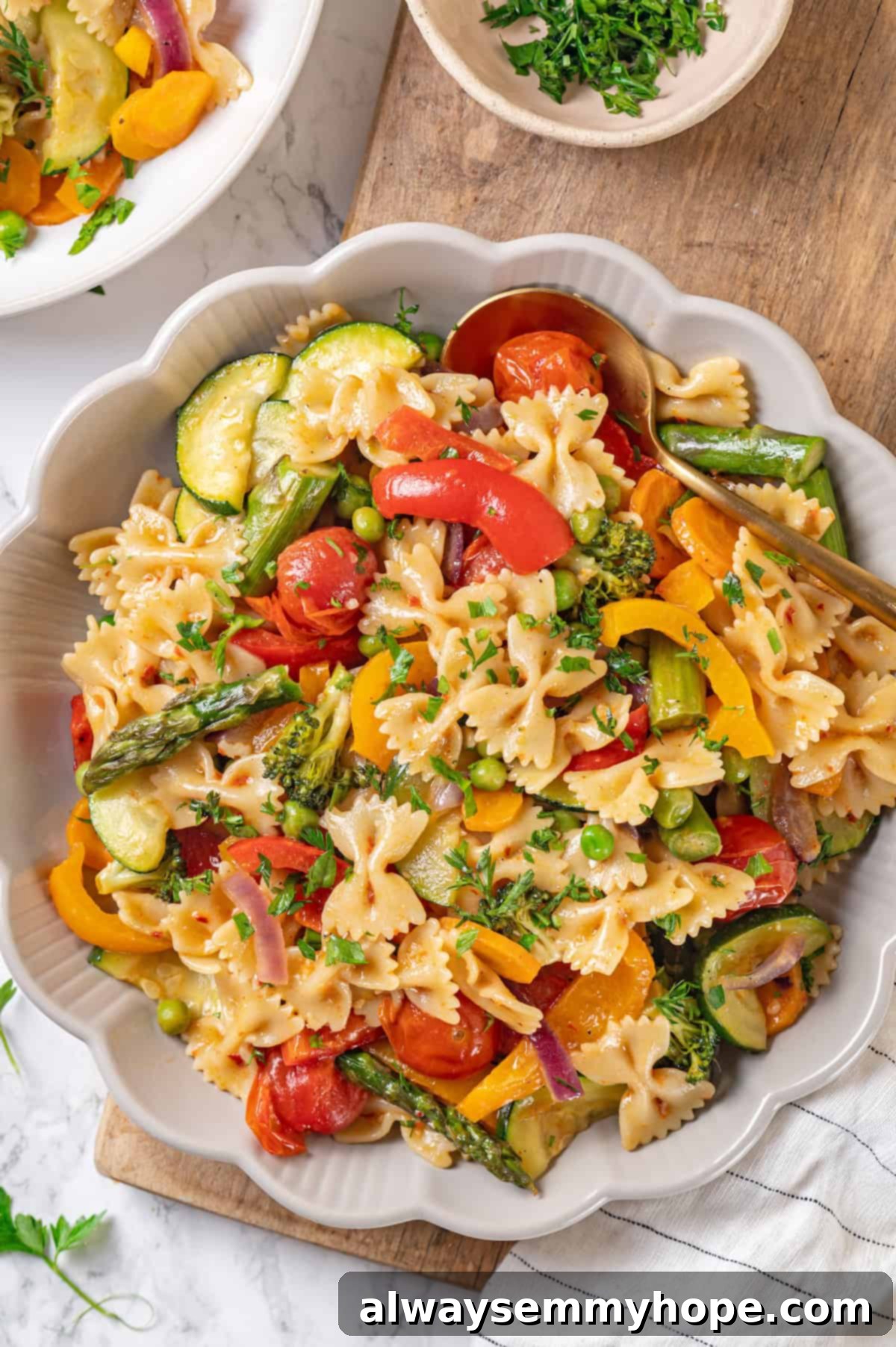
Pasta primavera, Italian for “spring pasta,” is a beloved dish renowned for its celebration of fresh, seasonal produce. It’s a culinary canvas for nature’s bounty, showcasing a rainbow of colors, diverse flavors, and varied textures. Imagine a trip to your local farmers market, filling your bag with the freshest ingredients, and transforming them into a delightful meal – that’s the essence of primavera! While traditional recipes often call for sautéing the vegetables, our rendition elevates the experience by roasting them. This hands-off method not only intensifies their deliciousness but also brings out a lovely sweetness and slight char that is simply unparalleled.
Why You’ll Adore This Vegan Pasta Primavera Recipe
This recipe isn’t just another pasta dish; it’s a vibrant, satisfying, and wholesome meal designed for ease and maximum flavor. Here’s why it’s bound to become a staple in your kitchen:
- Completely Vegan & Dairy-Free. Unlike conventional pasta primavera, which typically relies on dairy cheese and heavy cream for its richness, this recipe offers a truly plant-based alternative that sacrifices absolutely nothing in terms of flavor or creaminess. Our secret garlicky vegan cheese sauce delivers all the satisfying notes you crave without any animal products. It’s perfect for those following a vegan diet or simply looking to incorporate more plant-based meals.
- Effortlessly Easy to Prepare. While the roasting process might take slightly longer than quick sautéing, it’s a remarkably hands-off cooking method. This means you can simply chop your vegetables, toss them with olive oil and seasonings, and let the oven do most of the work. While your colorful veggies are roasting to perfection, you’ll have ample time to prepare the pasta and whip up the luscious sauce. (If you’re a fan of roasted vegetables, be sure to also try my balsamic roasted vegetables for another fantastic side or meal component.)
- Incredibly Satisfying & Nutrient-Rich. A plate of pasta with just sauce can often leave you feeling hungry shortly after. This pasta primavera, however, is generously loaded with a medley of fresh, roasted vegetables, transforming it into a much more substantial and filling meal. The high fiber content from the veggies contributes to satiety, while providing a wealth of essential vitamins and minerals, making it a truly wholesome and nourishing dinner option.
- Bursting with Flavor and Texture. Roasting the vegetables intensifies their natural sugars, leading to beautiful caramelization and a delightful depth of flavor. This pairs exquisitely with the bright, tangy notes of lemon, the aromatic garlic, and the umami richness of nutritional yeast in the creamy sauce. Every bite offers a fantastic contrast of tender pasta, slightly crisp-tender vegetables, and a luxurious, velvety coating.
- Highly Customizable. One of the best aspects of pasta primavera is its flexibility. This recipe provides a wonderful foundation, but feel free to swap in your favorite seasonal vegetables, adjust the spices, or experiment with different pasta shapes to make it uniquely yours. It’s a dish that truly adapts to your pantry and preferences.
Essential Ingredients for Your Perfect Primavera
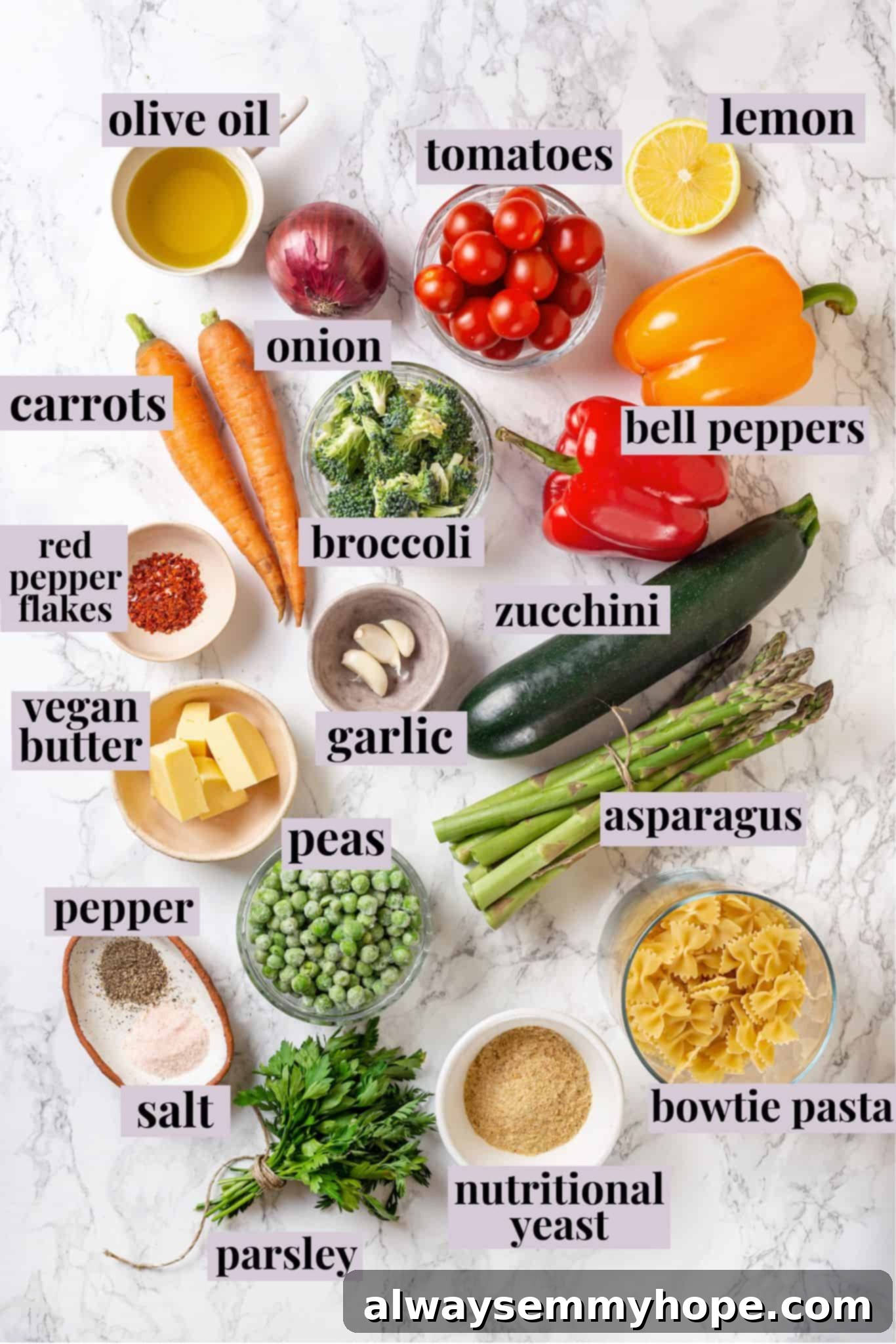
Crafting this incredible vegan pasta primavera requires a selection of fresh, high-quality ingredients. Each component plays a crucial role in building the dish’s vibrant flavors and appealing textures. Below, you’ll find a detailed breakdown of what you’ll need. For exact quantities and full recipe instructions, please scroll down to the recipe card.
For the Roasted Vegetables:
The beauty of primavera lies in its versatility, allowing you to use a wide array of vegetables. Roasting them brings out an unparalleled depth of flavor.
- Red onion – As red onions roast, their sharp flavor softens and sweetens, becoming wonderfully mellow and slightly caramelized.
- Bell pepper – I love the vibrant colors and sweet notes of red and orange bell peppers, but feel free to substitute one of these with a yellow or even a green bell pepper for a slightly more peppery flavor.
- Summer squash – A medium zucchini or yellow squash, thinly sliced, adds a delicate texture and mild flavor.
- Asparagus – A small bunch, cut into 1-inch pieces, brings a lovely earthy and slightly bitter contrast to the sweeter roasted vegetables.
- Cherry tomatoes – These small bursts of sweetness become even more intense and juicy when roasted. Grape tomatoes would also work perfectly.
- Broccoli florets – Chopped broccoli adds a satisfying crunch and a dose of green goodness. You can easily swap in cauliflower florets if you prefer.
- Carrots – Sliced into very thin rounds, carrots offer natural sweetness and beautiful color. This is a fantastic recipe to experiment with colorful heirloom varieties for an even more visually stunning dish.
- Olive oil – Essential for coating the vegetables, promoting even roasting, and enhancing their flavor.
- Salt and ground black pepper – Basic seasonings to bring out the best in your produce.
For the Pasta and Creamy Sauce:
The foundation of this dish is perfectly cooked pasta and a rich, flavorful vegan sauce that coats every ingredient.
- Salt – Crucial for seasoning the pasta water, ensuring the pasta itself is flavorful from the inside out.
- Bowtie pasta – Also known as farfalle, this shape is fun and holds the sauce well. However, you can use any other pasta shape you’d like, such as penne, rotini, or fettuccine.
- Olive oil – Used in the sauce to sauté the aromatics and add a smooth base.
- Vegan butter – This contributes to the rich, creamy texture and adds a buttery depth of flavor to the sauce. I highly recommend using my homemade vegan butter recipe for the best results, but your favorite store-bought brand will also work.
- Garlic – Minced garlic is a cornerstone of this sauce, providing an aromatic and robust flavor that complements the vegetables beautifully.
- Lemon juice – Freshly squeezed lemon juice is vital! It adds a bright, zesty acidity that cuts through the richness of the sauce and brings a refreshing lift to the entire dish.
- Frozen peas – A quick and easy addition, frozen peas add a pop of sweetness and vibrant green color. Add them directly from the freezer.
- Red pepper flakes – For a touch of gentle heat that awakens the palate. Adjust the amount to your personal preference for spice.
- Nutritional yeast – This is the magic ingredient that gives our vegan pasta primavera that distinctly cheesy, savory flavor without any dairy. It’s often referred to as “nooch” and is a staple in vegan cooking.
- Fresh parsley – Chopped fresh parsley adds a final flourish of herbaceous flavor and brightens the presentation.
Step-by-Step: Crafting Your Vegan Pasta Primavera
Creating this delicious pasta primavera is a straightforward process, divided into preparing the roasted vegetables, cooking the pasta, and assembling the flavorful sauce. Follow these steps for a perfect meal every time:
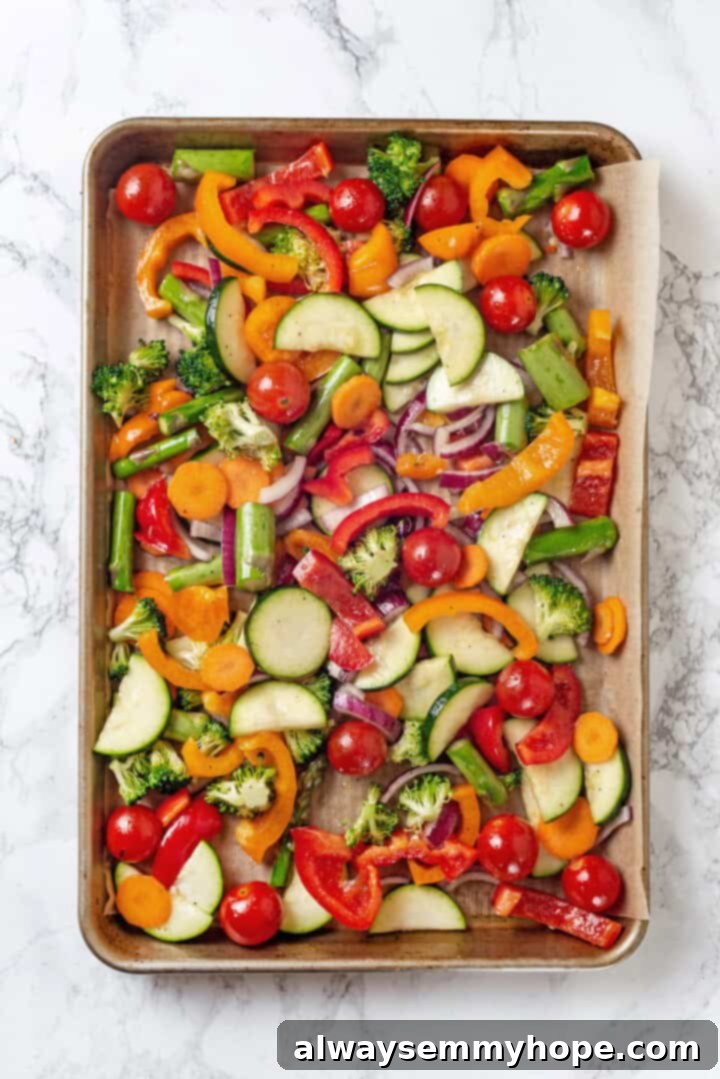
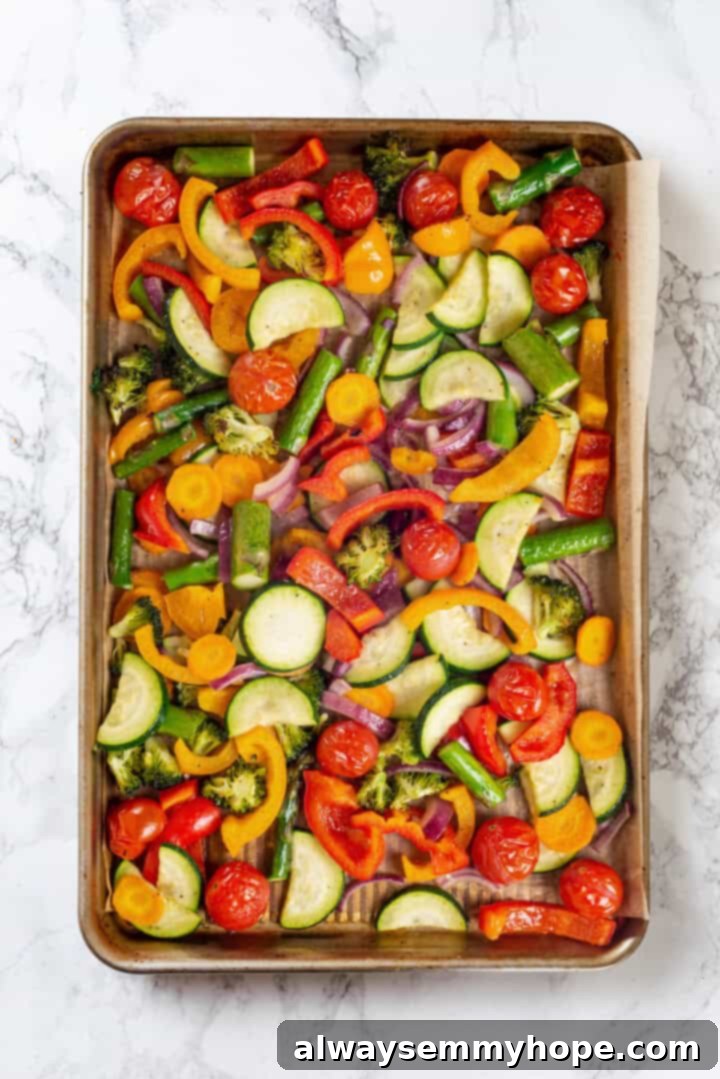
- Prepare for Roasting. Begin by preheating your oven to 415ºF (218ºC). Line two large baking sheets with parchment paper; this prevents sticking and makes cleanup a breeze.
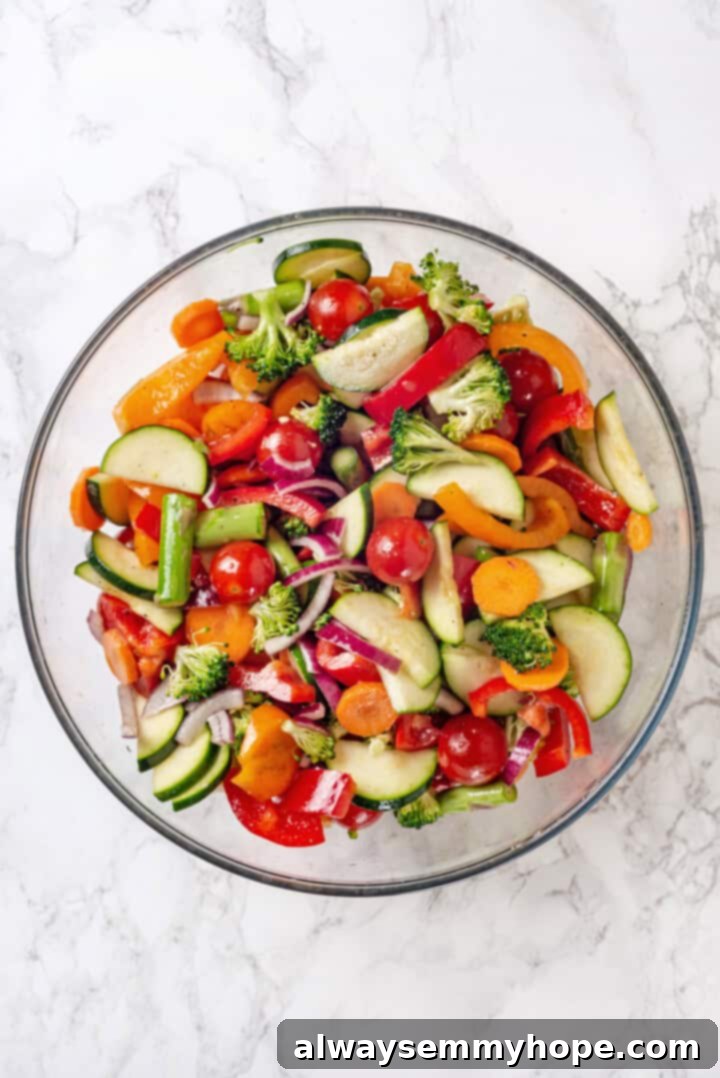
- Season the Veggies. In a spacious mixing bowl, combine all the chopped vegetables. Drizzle them generously with olive oil, then season with salt and ground black pepper. Toss everything together until all the vegetables are evenly coated with the oil and seasonings. This ensures optimal flavor and caramelization during roasting.
- Roast to Perfection. Divide the seasoned vegetables evenly between the two prepared baking sheets, ensuring they are spread out in a single layer without overcrowding. Roast for 20-25 minutes, or until the vegetables are tender, slightly browned, and have a hint of caramelization.
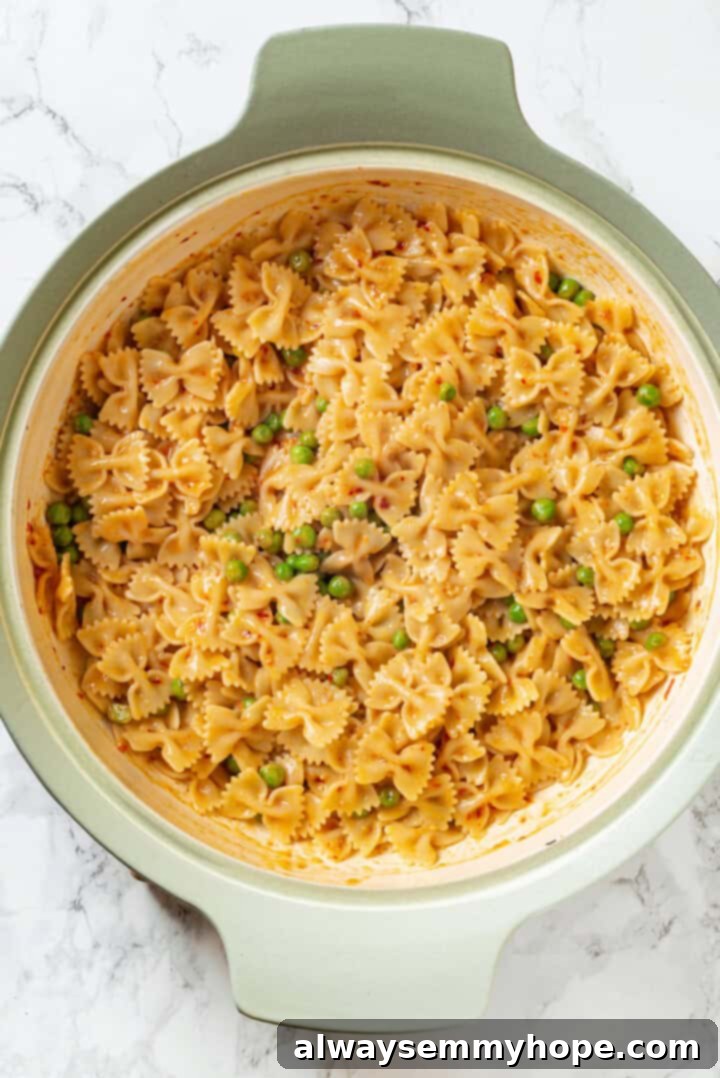
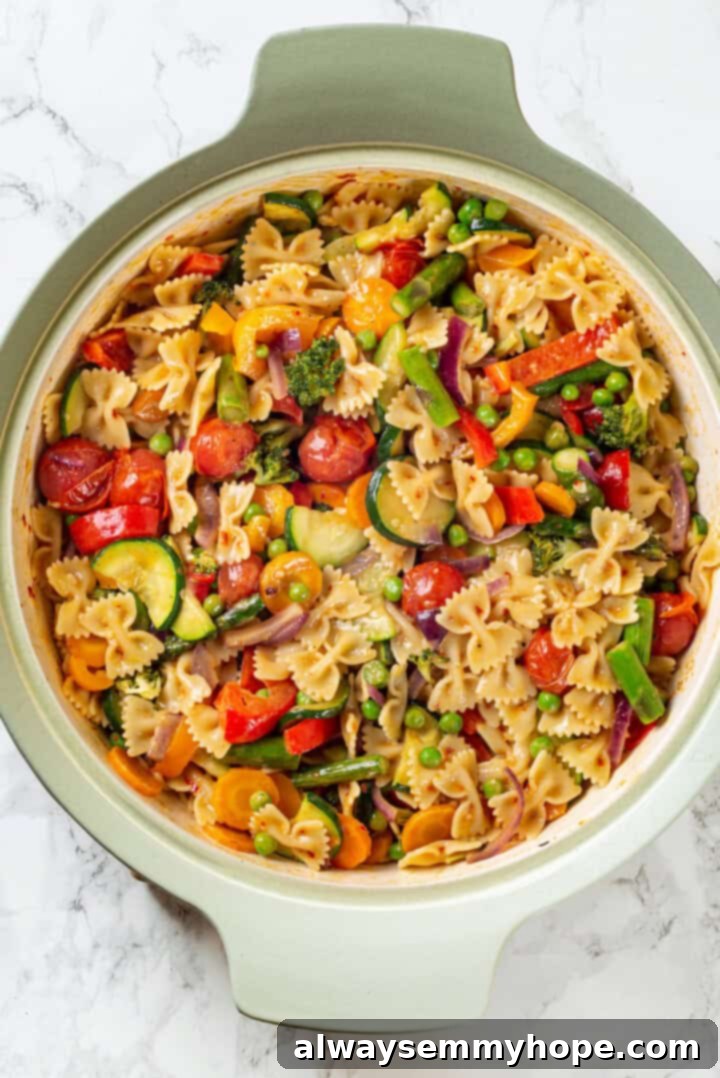
- Boil the Pasta. While the vegetables are roasting, bring a large pot of generously salted water to a rolling boil. Add your chosen pasta and cook according to package directions until it’s perfectly al dente – tender with a slight bite. Before draining, remember to reserve about 1 cup of the starchy pasta water; this will be crucial for creating a creamy sauce later.
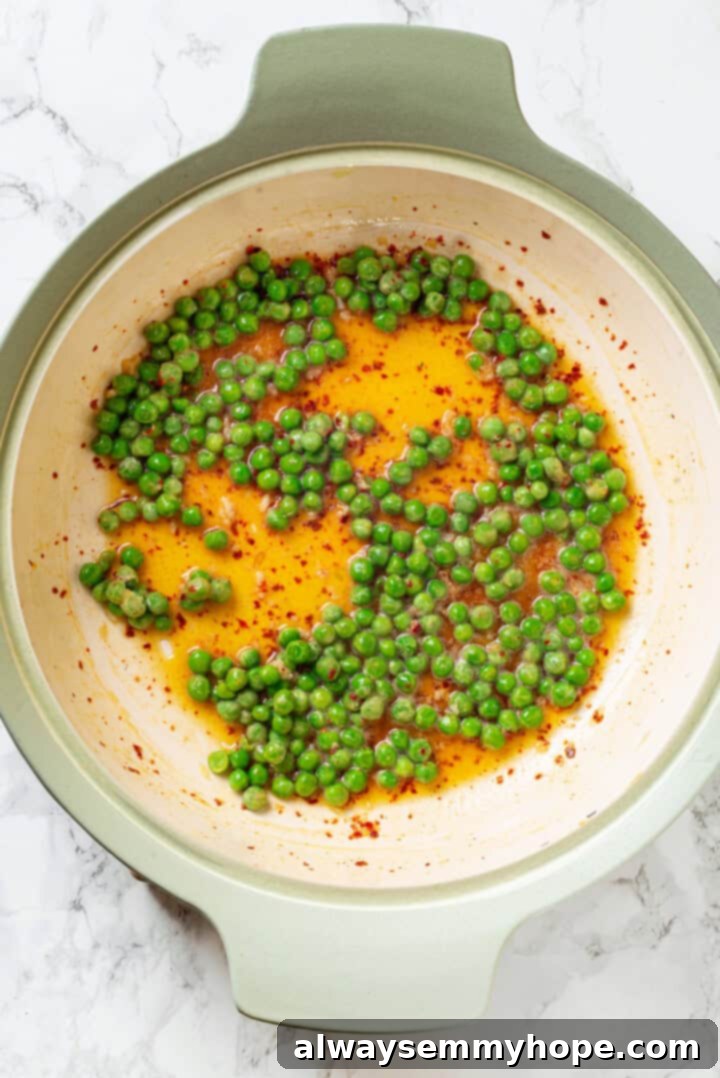
- Make the Garlicky Sauce. In a large skillet or deep pan, heat the olive oil and vegan butter over medium heat. Once the butter has melted, add the minced garlic and sauté for about a minute until it becomes fragrant and lightly golden – be careful not to burn it! Stir in the fresh lemon juice, frozen peas, and red pepper flakes. Cook for another minute, allowing the flavors to meld.
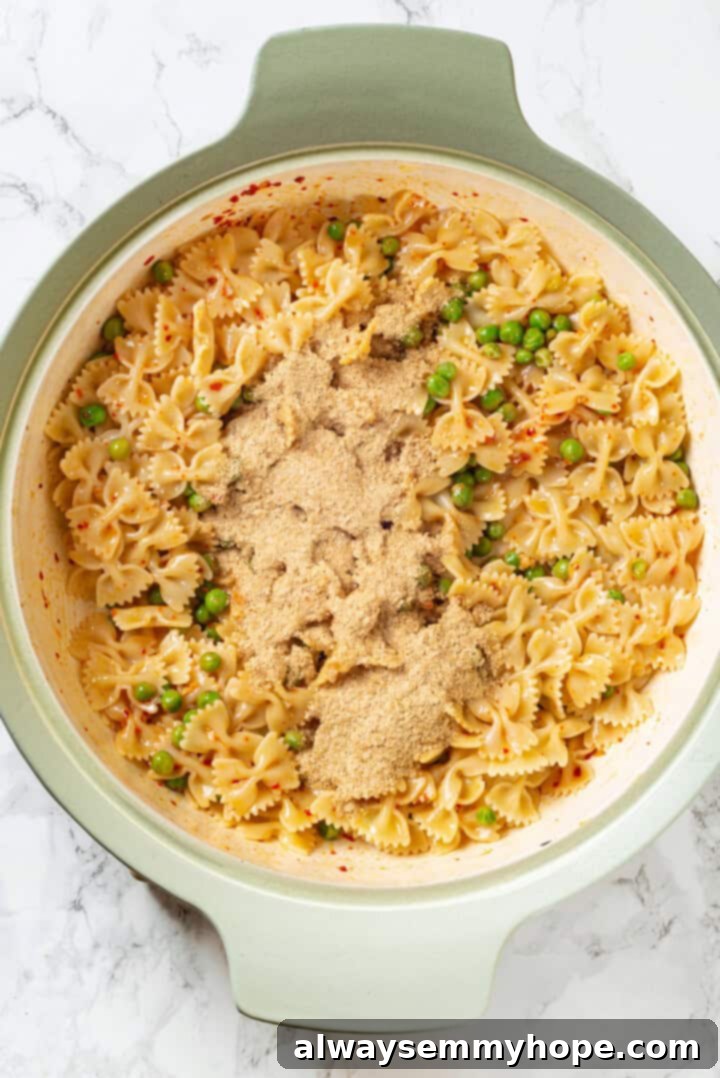
- Bring It All Together. Add the drained pasta and the nutritional yeast directly into the skillet with the sauce. Stir vigorously, allowing the nutritional yeast to melt and create a luscious, cheesy coating. If the sauce seems too thick or needs a little more creaminess, gradually add small splashes of the reserved pasta water until you reach your desired consistency. Finally, gently fold in the warm, roasted vegetables. Garnish generously with fresh chopped parsley before serving.
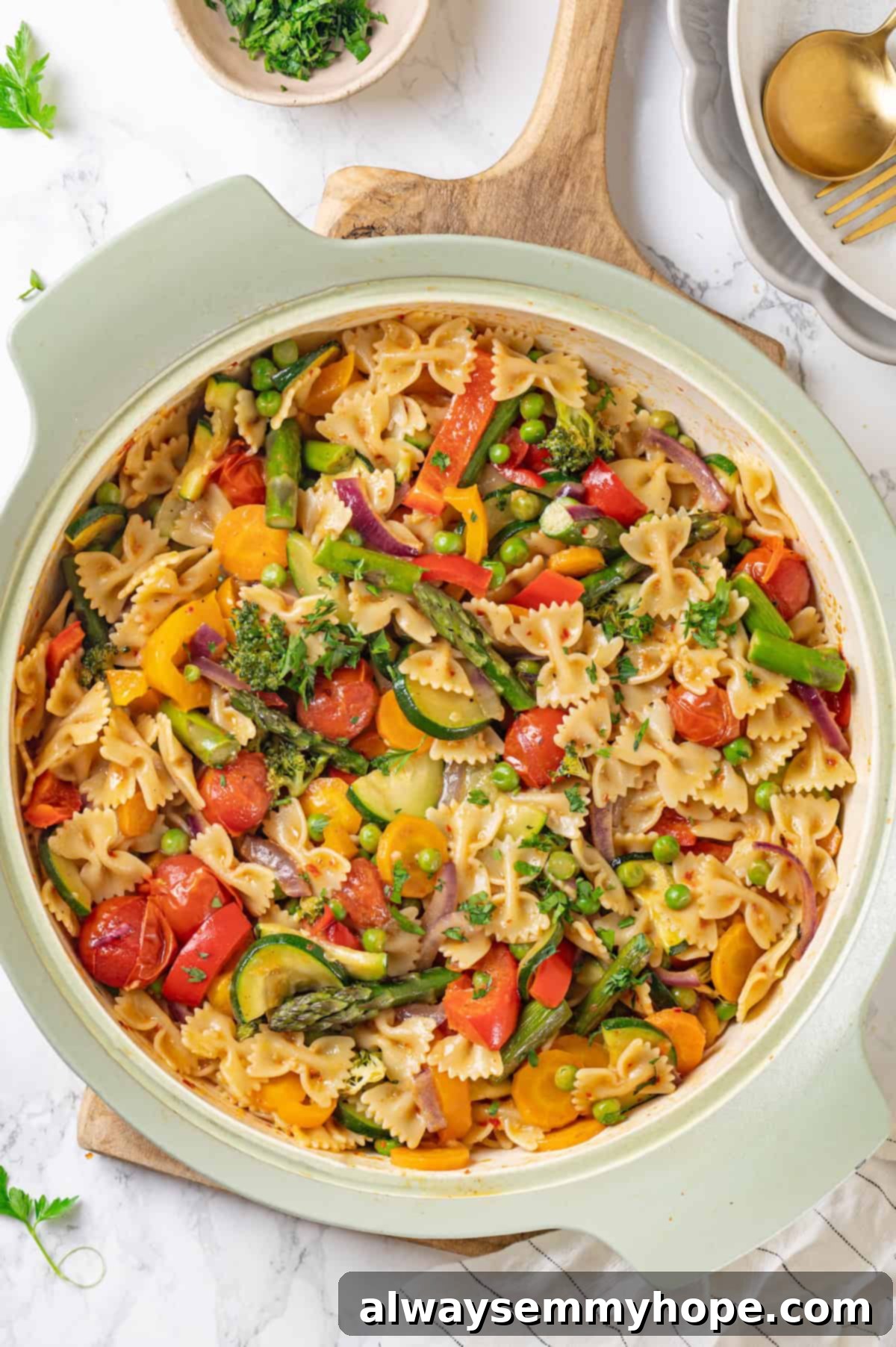
Expert Tips for the Best Pasta Primavera
Achieving the perfect pasta primavera is all about a few key techniques. Keep these tips in mind to ensure your dish turns out incredibly delicious every time:
- Always Salt Your Pasta Water. This seemingly small step makes a monumental difference. Adding a generous amount of salt (it should taste like the ocean!) to your boiling water before cooking seasons the pasta from the inside out, imparting flavor into every strand. This foundational seasoning is key to a truly delicious pasta dish.
- Don’t Forget to Save That Starchy Pasta Water. Reserving a cup or so of the starchy water from cooking your pasta is a chef’s secret weapon. This cloudy liquid is invaluable for thickening sauces and helping them cling beautifully to the pasta. The starches in the water help to emulsify the sauce, creating a smoother, richer, and more cohesive coating.
- Give Your Vegetables Room to Breathe. When roasting, avoid overcrowding the baking sheets. Spread the vegetables out in a single layer so that there’s ample space for air to circulate around each piece. This critical step ensures that your vegetables roast and caramelize properly, achieving tender interiors and slightly crisped edges, rather than steaming and becoming soggy.
- Choose the Right Pasta Shape. While bowtie pasta works wonderfully, consider other shapes like penne, fusilli, or orecchiette. These shapes have grooves or cups that are excellent at catching and holding onto the creamy sauce and small vegetable pieces, ensuring every bite is flavorful.
- Fresh Herbs are a Game-Changer. Beyond parsley, consider adding other fresh herbs like basil, dill, or chives at the very end. The bright, fresh notes of herbs elevate the overall flavor profile and add a wonderful aromatic quality to the dish.
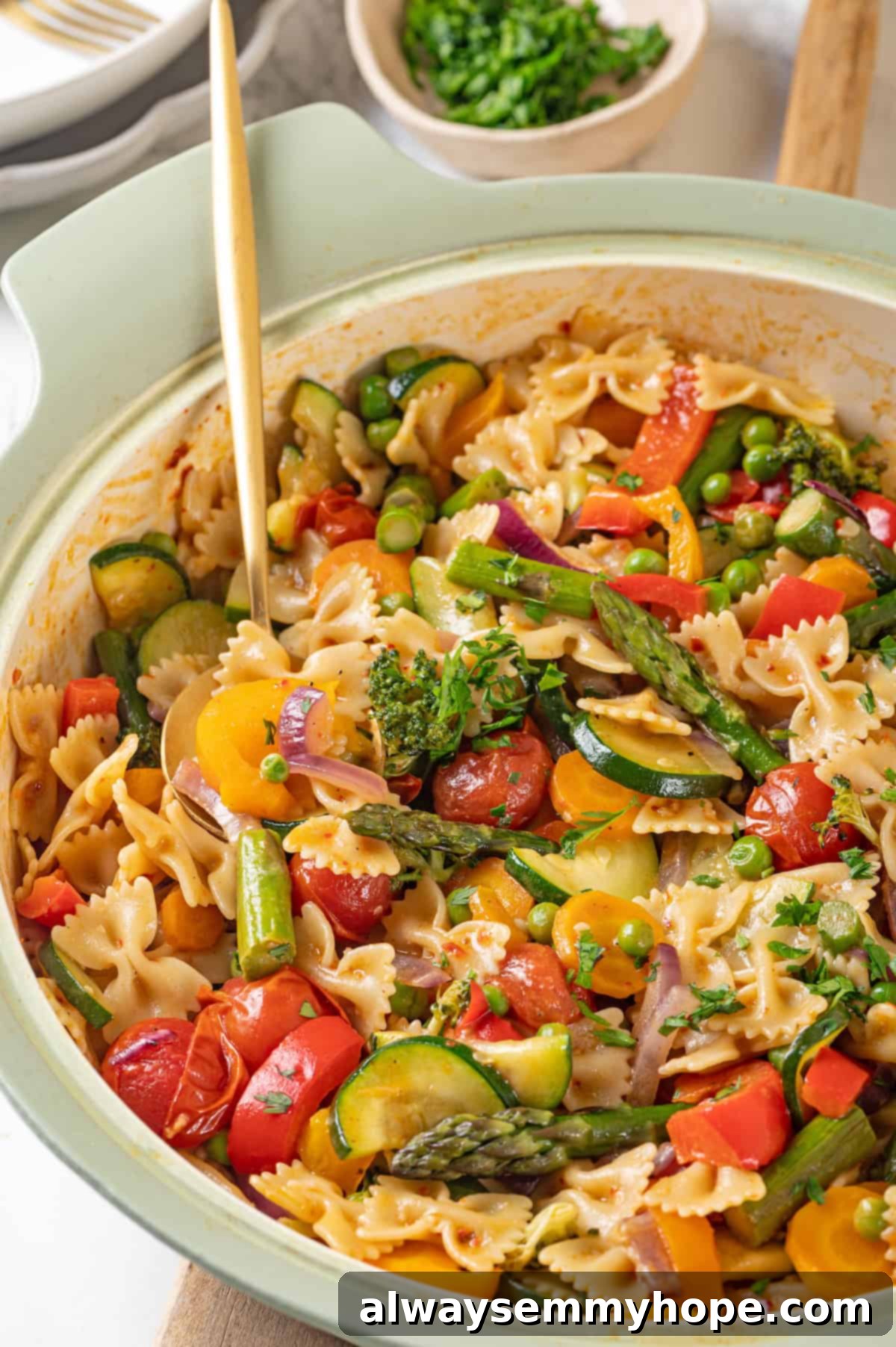
Delightful Serving Suggestions
This vegan pasta primavera is a complete and satisfying meal on its own, but you can easily enhance it with a few complementary additions to create a more elaborate dining experience:
- Enhance with Vegan Parmesan. For an extra layer of savory, cheesy flavor, a sprinkle of vegan Parmesan cheese is highly recommended. I particularly love this cashew-based Parmesan cheese for garnishing pasta dishes like this one.
- Pair with Crusty Garlic Bread. Nothing complements a pasta dish quite like a side of warm, savory garlic bread. This roasted garlic bread recipe is a perennial favorite, but a rustic slice of garlic and rosemary focaccia bread would also be absolutely fabulous with the bright flavors of pasta primavera.
- Add a Simple Side Salad. To round out the meal and add even more freshness, serve your pasta primavera with a crisp, simple green salad. A light vinaigrette dressing would provide a lovely contrast to the creamy pasta.
- Boost the Protein Content. If you’re looking to make the dish even more substantial, incorporating additional plant-based protein is easy. Canned white beans or chickpeas can be stirred in at the end for an effortless boost. Alternatively, for a “meaty” texture, consider adding my delicious vegan chicken.
Storing and Reheating Leftovers
Leftover pasta primavera can be a delightful lunch or dinner the next day, but proper storage ensures its freshness and flavor. Transfer any leftover pasta primavera to an airtight container and store it in the refrigerator for up to 4 days. When you’re ready to enjoy it again, reheat gently in a skillet over medium-low heat, adding a splash of water or vegetable broth to loosen the sauce and restore its creamy texture. Alternatively, you can reheat it in the microwave in short intervals until warmed through.
Can I Freeze This Recipe?
While you can technically freeze this pasta primavera recipe, it’s important to manage expectations regarding texture. Be aware that the delicate structure of the roasted vegetables may soften considerably upon thawing and reheating, becoming less crisp. Similarly, pasta can sometimes turn a bit mushy after being frozen and reheated. If you’re comfortable with these potential textural changes, store the cooled pasta primavera in an airtight, freezer-safe container for up to 2 months. For best results, thaw it in the refrigerator overnight before reheating using the skillet method mentioned above.
Frequently Asked Questions (FAQ)
Here are answers to some common questions you might have about making this vegan pasta primavera:
- Can I use other vegetables in this primavera? Absolutely! Pasta primavera is all about flexibility. Feel free to swap in other seasonal vegetables like snap peas, green beans, mushrooms, or even kale or spinach (add these leafy greens at the very end when tossing everything together, or sauté briefly). Adjust roasting times as needed for different vegetables.
- How can I make this recipe gluten-free? It’s simple to make this dish gluten-free! Just use your favorite brand of gluten-free pasta. Ensure all other ingredients, like vegan butter and nutritional yeast, are certified gluten-free if cross-contamination is a concern.
- What if I don’t have nutritional yeast? While nutritional yeast is key for the “cheesy” flavor, you could try a small amount of finely grated vegan Parmesan cheese for a similar savory depth. The sauce might not be as distinctly “cheesy” but will still be delicious thanks to the garlic and lemon.
- Can I prepare any components ahead of time? Yes! You can chop and prep all your vegetables for roasting a day in advance and store them in an airtight container in the refrigerator. You can also mince the garlic. This helps streamline the cooking process on a busy weeknight.
Discover More Delicious Vegan Pasta Dishes
If you loved this vibrant pasta primavera, you’re in for a treat! Explore more of our delectable plant-based pasta recipes that are sure to satisfy your cravings:
- Sun-Dried Tomato Pasta – A rich and savory dish packed with intense tomato flavor.
- Pumpkin Alfredo Pasta – Creamy, comforting, and perfect for fall, but enjoyable year-round.
- Vegan Spaghetti and Meatballs – A classic reimagined, featuring hearty plant-based “meatballs.”
- Miso Butter Pasta – An umami-packed pasta dish with a unique twist.
- Hummus Pasta – A surprisingly simple and creamy pasta sauce made with hummus.
Enjoy, friends! We hope this roasted vegetable vegan pasta primavera brings joy to your table. If you make this recipe, please don’t forget to snap a photo and tag #jessicainthekitchen on Instagram! We absolutely love seeing your culinary creations. We’d also be thrilled if you would take a moment to leave a comment below and give the recipe a rating. Your feedback means the world to us! Thanks so much for being here!
Pasta Primavera
Pin Recipe
Leave a Review
Ingredients
For the roasted veggies:
- 1 red onion, roughly chopped
- 1 red bell pepper, roughly chopped
- 1 orange bell pepper, roughly chopped
- 1 medium zucchini or yellow squash, thinly sliced
- 1 small bunch asparagus, cut into 1-inch pieces
- 1 ½ cups cherry tomatoes, 248 grams
- 1 cup broccoli florets, chopped, 91 grams
- 2 carrots, sliced into very thin rounds
- ¼ cup olive oil, 59 ml
- 2 teaspoons salt, 12 grams
- 1 teaspoon ground black pepper, 2 grams
For the pasta and the sauce:
- 1 teaspoon salt, 6 grams
- 12 ounces bowtie pasta, 340 grams
- 2 tablespoons olive oil, 30 ml
- 4 tablespoons vegan butter, 56 grams
- 3 cloves garlic, minced
- 2 tablespoons lemon juice, 30 ml
- 1 cup frozen peas, 144 grams
- 1 teaspoon red pepper flakes, 1 gram
- 1/3 cup nutritional yeast, 15 grams
- ¼ cup chopped fresh parsley, 15 grams
Instructions
- Line 2 sheet pans with parchment paper and preheat the oven to 415°F.
- In a large mixing bowl, toss together the onion, red bell pepper, orange bell pepper, zucchini, yellow squash, tomatoes, broccoli florets, and carrots with the olive oil, salt, and pepper. Make sure the veggies are well coated in olive oil and seasonings.
- Scatter the veggies over the prepared baking sheets and roast for 20-25 minutes or until tender.
- While the veggies are roasting, bring a large pot of water to a boil. Add the salt and then the pasta. Cook the pasta to the package’s instructions until al dente. Drain the pasta, reserving 1 cup of pasta water. Set aside.
- While the pasta is cooking, heat the olive oil and vegan butter over medium heat in a large, heavy-bottomed pan. Once the butter has melted, add the garlic and saute until fragrant. Add the lemon juice, frozen peas, and red pepper flakes. Saute for 1 minute.
- Stir the pasta into the sauce. Add the nutritional yeast and stir until it melts into the sauce. Add a little pasta water to help the process along if needed. Stir in the roasted veggies.
- Serve warm garnished with chopped fresh parsley.
Notes
To freeze: Technically speaking, you can freeze this recipe, but do be aware that the vegetables may lose their texture when thawed and reheated and the pasta is likely to be a bit mushy. If you’re okay with this, store it in an airtight container for up to 2 months and thaw in the fridge before reheating.
Disclaimer: Although jessicainthekitchen.com attempts to provide accurate nutritional information, kindly note that these are only estimates. Nutritional information may be affected based on the product type, the brand that was purchased, and in other unforeseeable ways. Jessicainthekitchen.com will not be held liable for any loss or damage resulting for your reliance on nutritional information. If you need to follow a specific caloric regimen, please consult your doctor first.