
March Seasonal Produce Guide: Fresh, Flavorful, and Healthy Recipes for Spring

As the crisp chill of winter slowly gives way to the gentle warmth of spring, March arrives, bringing with it a vibrant array of fresh, seasonal produce. It feels like just yesterday we welcomed the new year, yet here we are, embracing the promise of new flavors and healthier eating habits. This month, my focus shifts even more towards celebrating the beauty of whole foods, vegetarian cooking, and creating delicious meals that nourish both body and soul. Instead of just sharing new recipes, I’m thrilled to guide you through the wonderful world of seasonal ingredients available right now.
For years, I’ve made it a personal ritual to research “what produce is in season in March” to ensure my recipes truly capture the essence of peak freshness and flavor. This practice not only guarantees the most delicious outcome but also supports sustainable eating and often leads to more budget-friendly grocery hauls. Now, I’m excited to share my hand-picked favorites with you – a curated list of exceptional produce that shines brightly this March, accompanied by inspiring recipe ideas. While the full list of everything in season would be extensive, these are the ingredients I find myself reaching for time and again, promising to transform your meals into truly memorable culinary experiences.
Beets
Pictured: Chickpea and Beet Vegetarian Meatballs
Beets are a true marvel of the root vegetable world, offering an incredible range of textures and flavors. I’ve been buying them by the truckload lately, and my fridge is currently brimming with their earthy goodness, just begging to be transformed. Their versatility is astounding – from a satisfying crunch when raw in salads to a smooth, velvety sweetness once roasted. That deep, rich color they impart to any dish is simply divine, turning ordinary meals into visual feasts. Beets are also packed with essential nutrients like folate, manganese, and Vitamin C, making them a fantastic addition to a healthy diet. When selecting beets, look for firm, smooth roots with a deep, vibrant color. Trim their greens (which are also edible and delicious!) before storing the roots in a cool, dark place or in your refrigerator’s crisper drawer, where they can last for several weeks. Don’t be afraid to experiment beyond roasting; consider pickling them, adding them to smoothies, or even making a vibrant beet hummus!
More Beet Recipes >>
Broccoli

Pictured: Asian Tofu Stir Fry with Honey Sriracha Sauce
Broccoli is a nutritional powerhouse that consistently earns its spot in my weekly meal plans. What I particularly love about this cruciferous vegetable is its adaptability; whether you prefer it roasted until tender-crisp, enjoyed raw in a refreshing salad, lightly steamed to preserve its nutrients, or stir-fried to perfection, it always delivers fantastic flavor and texture. Beyond its culinary versatility, broccoli is exceptionally high in Vitamin C, which is crucial for immune health, and also provides significant amounts of Vitamin K, fiber, and various antioxidants. When choosing broccoli, look for tight, compact florets with a deep green or even purplish hue and firm stalks. Avoid any yellowing or softness. To keep it fresh, store it unwashed in an open plastic bag in the refrigerator for up to a week. Its mild, slightly earthy flavor makes it a versatile ingredient for everything from hearty soups and pasta dishes to vibrant sides and healthy snacks.
More Broccoli Recipes>>
Brussels Sprouts
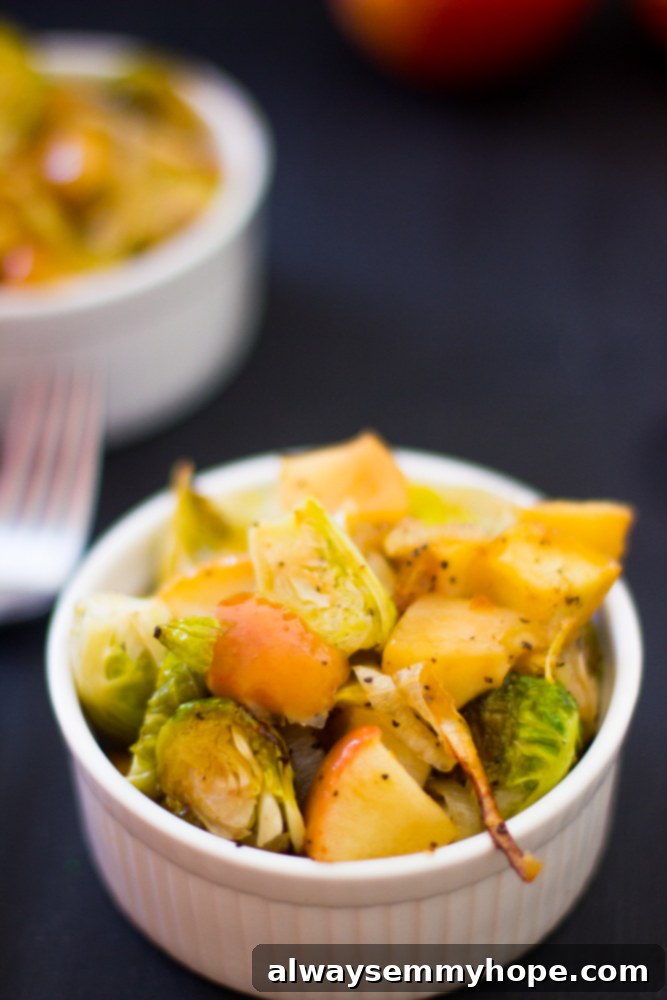
Pictured:Maple Roasted Brussels Sprouts
Brussels sprouts have truly had a glow-up in recent years, shedding their old reputation for being bitter and becoming a beloved vegetable in many kitchens, including mine! One bite of properly prepared Brussels sprouts – especially when roasted until caramelized and slightly crispy – and you’ll be instantly hooked. They transform into sweet, nutty delights that are absolutely irresistible. I definitely need to create more recipes featuring these little green gems, as their potential is vast. A chopped Brussels sprouts salad is high on my list for next experiments, showcasing their fresh crunch. Nutritionally, Brussels sprouts are an excellent source of Vitamin C and Vitamin K, providing powerful antioxidant benefits and supporting bone health. They are also rich in fiber, aiding digestion. When selecting them, opt for firm, compact, and brightly green sprouts. Store them unwashed in the refrigerator in a bowl or an open bag for several days to maintain their freshness.
Cabbage
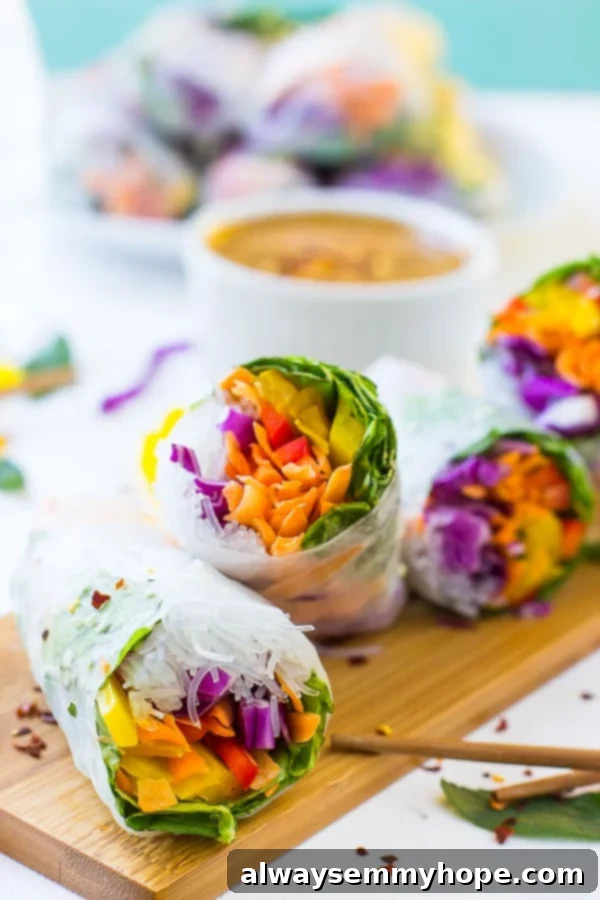
Pictured:Fresh Spring Rolls with Peanut Ginger Sauce
Cabbage is an incredibly versatile and often underappreciated vegetable that truly shines in March. I absolutely adore its bright, beautiful leaves and the delightful texture it brings to dishes. Whether used raw for an invigorating crunch factor in slaws and salads, or gently sautéed down in creamy coconut milk for a tender, flavorful side, cabbage adapts beautifully to various culinary applications. You can find several varieties, including green, red, and savoy, each offering slightly different textures and flavor profiles. Cabbage is remarkably healthy, packed with Vitamin C and Vitamin K, and is a great source of dietary fiber, all while being incredibly low in calories. When choosing a head of cabbage, look for one that feels heavy for its size with tightly packed, crisp leaves. It stores exceptionally well; a whole head can last for weeks in your refrigerator’s crisper drawer, making it a fantastic staple to have on hand for quick meals like stir-fries, tacos, or even homemade fermented dishes like sauerkraut.
More Cabbage Recipes >>
Cauliflower

Pictured: Sticky Sesame Cauliflower Wings
If I had to pick a single favorite from this entire list of fantastic March produce, cauliflower would undoubtedly be it. Its incredible ability to transform into almost anything makes it a truly indispensable ingredient in my kitchen. If you follow my culinary adventures (especially on Snapchat at jessinkitchen), you’ll know I’m constantly experimenting with cauliflower because I simply can’t get enough of it! This humble vegetable is a champion of healthy eating, especially for those new to a vegetarian lifestyle or looking to incorporate more plant-based meals without sacrificing flavor. Cauliflower is rich in Vitamin C, Vitamin K, and folate, and it’s a good source of fiber. Its mild flavor allows it to soak up seasonings beautifully, making it perfect for a wide range of dishes. From roasting whole heads to mashing it into a creamy puree, or even ricing it as a low-carb alternative, the possibilities are endless. The Sticky Sesame Cauliflower Wings pictured are a prime example of how delicious and satisfying this vegetable can be, proving that healthy eating can be incredibly exciting.
More Cauliflower Recipes >>
Citrus (Oranges, Lemons, Limes and more)
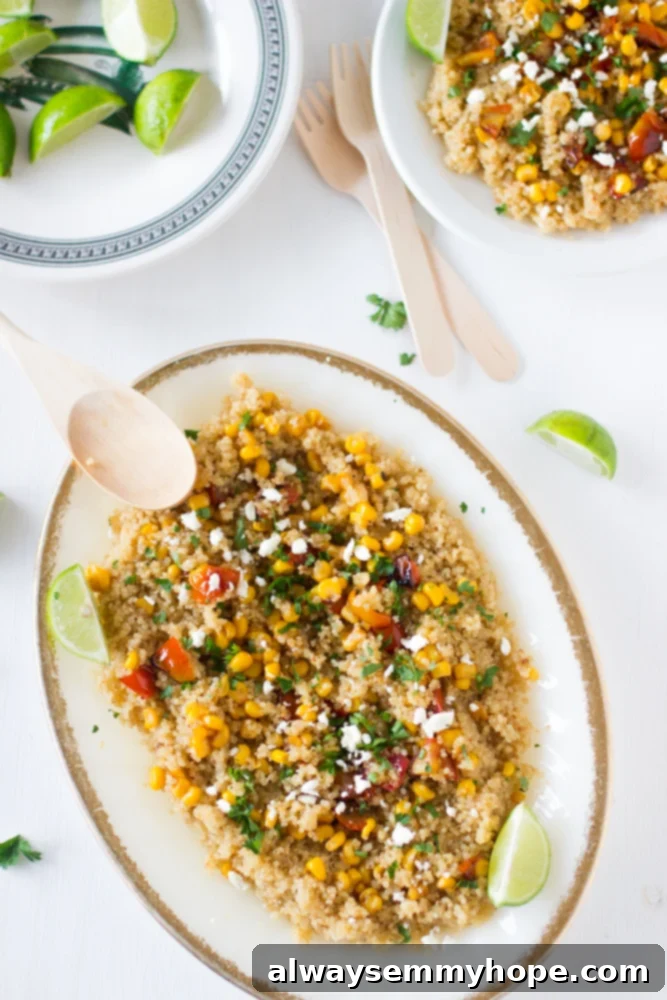
Pictured: Quinoa and Corn Salad with Honey-Lime Dressing
As winter slowly recedes, citrus fruits truly burst onto the scene, bringing a much-needed splash of sunshine and zest to our cooking. I am a colossal citrus fan, and our pantry is almost always stocked with an abundance of limes, lemons, and oranges because they are simply phenomenal for enhancing nearly every type of dish. Their bright, acidic notes cut through richness, add a refreshing tang, and elevate flavors in a way few other ingredients can. Beyond their incredible taste, citrus fruits are renowned for being excellent sources of Vitamin C, potent antioxidants, and dietary fiber, especially when you consume the pulp. Whether it’s the main star of a dish, a crucial component of a marinade, or the vibrant backbone of a sauce or dressing, citrus is indispensable. When selecting citrus, look for fruits that feel heavy for their size, have smooth, glossy skins, and emit a fragrant aroma. Store them at room temperature for a few days if you plan to use them quickly, or in the refrigerator for longer-lasting freshness. Don’t forget to zest them before juicing for an extra burst of aromatic flavor!
More Citrus Recipes >>
Greens (Herbs, Spinach, Kale, and more)
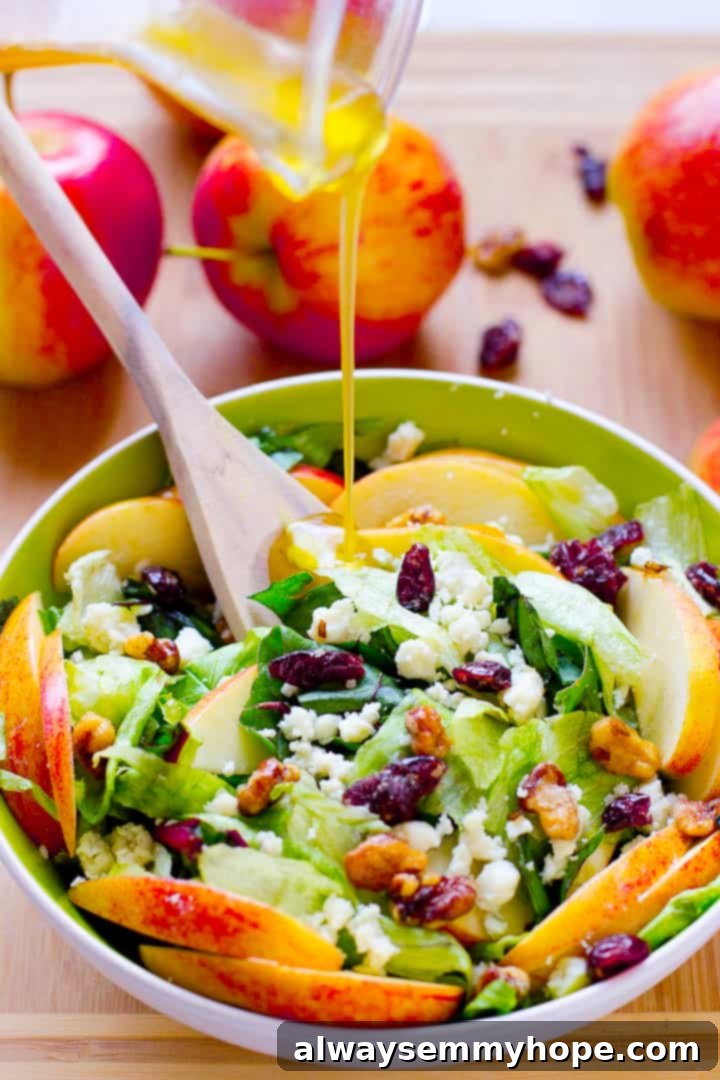
Pictured: Apple Candied Walnuts and Blue Cheese Salad with Honey Apple Dressing
As spring truly begins to awaken, fresh greens of all kinds start to flourish and become widely available, bringing vibrant color and unparalleled nutrition to our plates. This time of year, I make sure to keep a continuous supply of fresh greens – whether it’s spinach, kale, arugula, or mixed salad greens – in my fridge. They are perfect for those spur-of-the-moment salads, hearty additions to smoothies, or for whipping up a batch of aromatic pestos. Fresh herbs, in particular, are non-negotiable for me. The difference in taste compared to dried herbs is absolutely profound; fresh basil, parsley, cilantro, or dill can truly elevate a dish from good to extraordinary. They infuse meals with bright, nuanced flavors that simply can’t be replicated. Packed with vitamins (A, C, K), minerals like iron and calcium, and a wealth of antioxidants, greens are essential for a healthy diet. To maximize their shelf life, wash and thoroughly dry your greens before wrapping them in paper towels and storing them in an airtight container in the refrigerator. I’m even contemplating growing my own herb garden next, to have an endless supply of garden-fresh goodness right at my fingertips!
Mushrooms
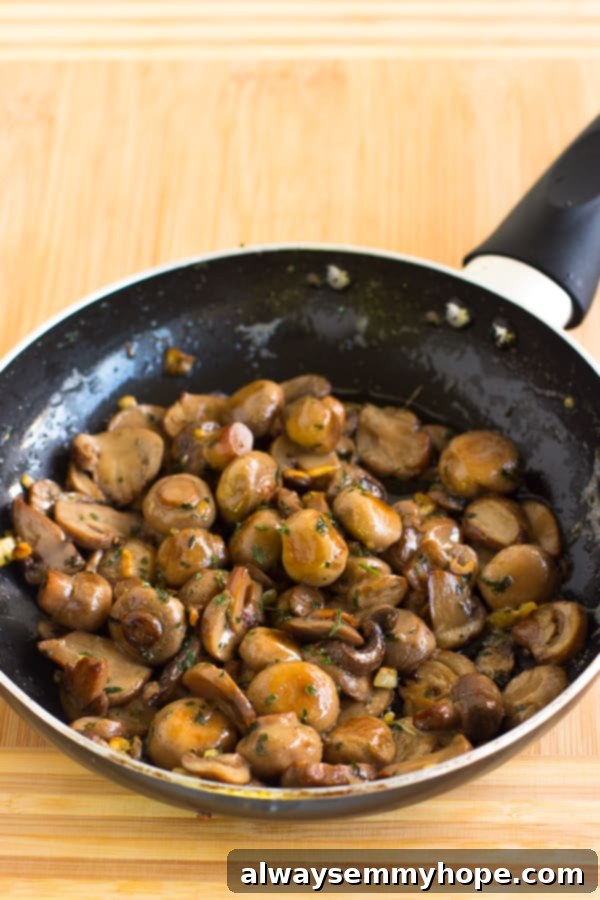
Pictured: 15 Minute Garlic Sautéed Mushrooms (V+GF)
Mushrooms are one of those truly magical ingredients that everyone, regardless of their dietary preferences, should absolutely try. They possess a unique umami richness and a delightful texture that makes them incredibly satisfying. When cooked, mushrooms transform into soft, delectable morsels that absorb and carry so many different notes of savory flavors, which is why I try to incorporate them into everything possible. From earthy creminis to robust portobellos and delicate shiitakes, each variety offers its own distinctive character. Beyond their fantastic flavor, mushrooms are a good source of B vitamins, selenium, copper, and potassium, contributing to overall health and well-being. The 15 Minute Garlic Sautéed Mushrooms recipe, for instance, is one I’ve made countless times – at least 10 times, to be exact! It works wonderfully as a quick and flavorful side dish, or it can be generously thrown into a comforting vegetable lasagna, enriching the dish with its deep, savory notes. When selecting mushrooms, look for firm, dry caps without any slimy spots or dark discoloration. Store them in a paper bag in the refrigerator to allow for proper airflow, which helps keep them fresh longer.
More Mushroom Recipes >>
Sweet Potatoes

Pictured: Sweet Potato and Black Bean Tacos
Last but certainly not least on our March seasonal produce guide is the glorious sweet potato. This incredible ingredient is truly a culinary chameleon, capable of seamlessly transforming itself from a sweet dessert component to a savory and hearty main course whenever needed. Whether you enjoy them crunchy as fries, beautifully roasted with herbs, mashed into a creamy side, spiced up in a curry, or simply baked until soft and fluffy, sweet potatoes are an absolute must-have for this month. They are not only incredibly versatile but also incredibly nutritious, boasting an abundance of Vitamin A (in the form of beta-carotene), Vitamin C, Vitamin B6, potassium, and a healthy dose of dietary fiber. This makes them a fantastic choice for supporting vision, immune function, and digestive health. When selecting sweet potatoes, look for firm, smooth skins without any soft spots, cracks, or sprouts. Unlike regular potatoes, sweet potatoes prefer a cool, dark, and dry storage spot outside of the refrigerator, where they can last for several weeks. Their natural sweetness and earthy flavor make them a comforting and nourishing addition to any meal, perfect for bridging the gap between winter’s warmth and spring’s freshness.
More Sweet Potato Recipes >>
As we welcome the fresh flavors of March, I hope this guide inspires you to explore the vibrant world of seasonal produce. Cooking with ingredients at their peak not only guarantees superior taste and nutrition but also connects us more deeply to the rhythm of nature and supports sustainable food systems. Embrace the crispness of broccoli, the earthy sweetness of beets, the bright zest of citrus, and the comforting versatility of sweet potatoes. Each ingredient offers a unique opportunity to create healthy, delicious, and memorable meals right in your own kitchen.
If you try any of these featured recipes or get inspired to create your own dishes with this month’s seasonal produce, please don’t hesitate to share your culinary adventures! Let me know in the comment section below what delightful creations you’re whipping up, or tag me on Instagram with the hashtag #jessicainthekitchen so I can see your masterpieces. What new flavors do you plan to embrace this March?
P.S. To help you discover even more incredible seasonal ingredients and recipe ideas, I’ve completely revamped my Pinterest boards! They are now organized to be ingredient-specific, making it easier than ever to find a treasure trove of inspiration for March and beyond. Head over to check it out and get pinning your next favorite meal!