Homemade Pumpernickel Bread Recipe: Easy No-Knead Method
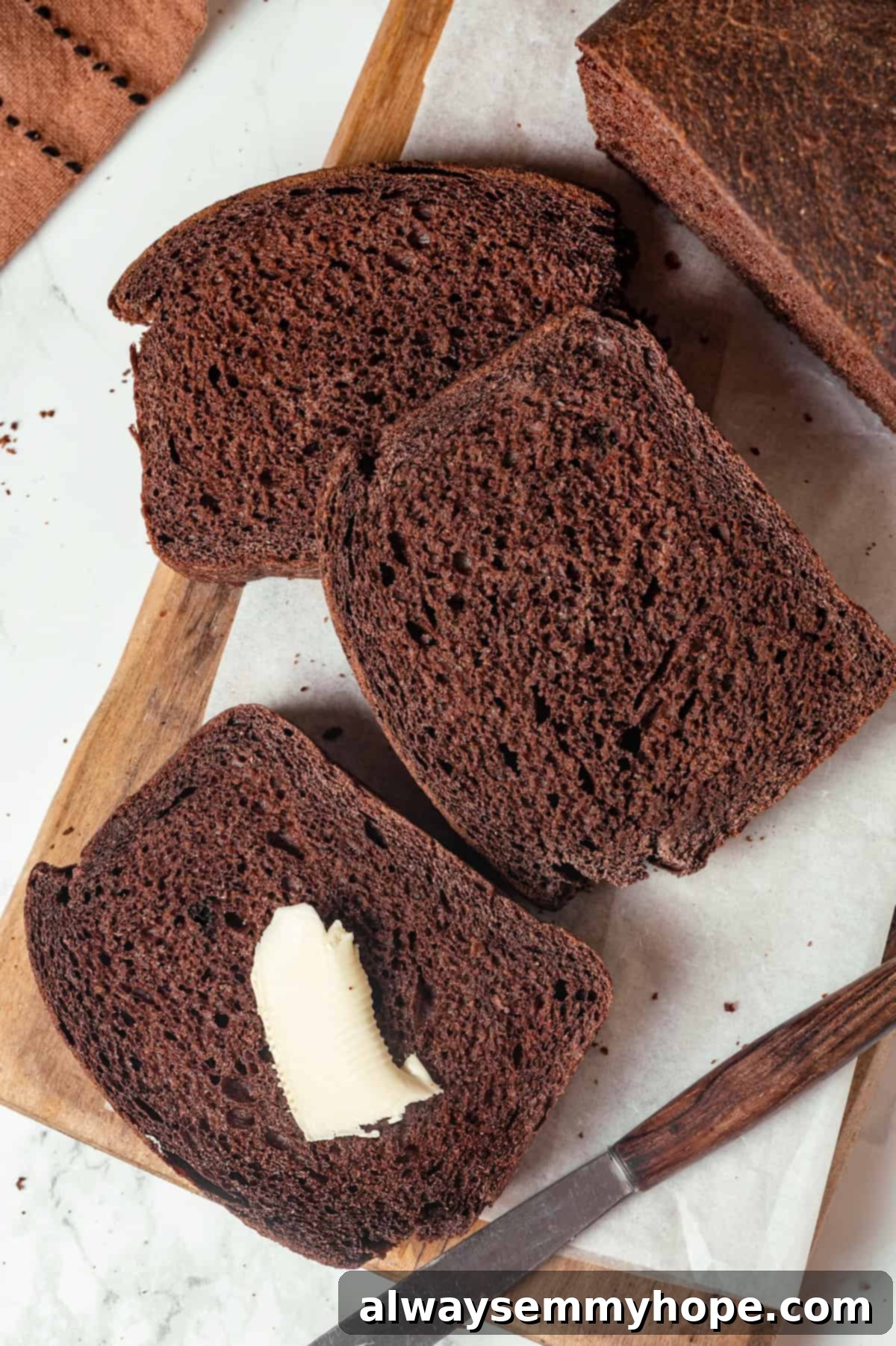
Craving the rich, dark flavor of bakery-style pumpernickel bread but intimidated by the thought of making it at home? Fear not! This homemade pumpernickel bread recipe is surprisingly easy, thanks to a no-knead method that yields a loaf with deep rye flavor and a signature dark color achieved with cocoa powder. This recipe allows you to enjoy a fresh, flavorful loaf without the hassle of traditional bread-making.
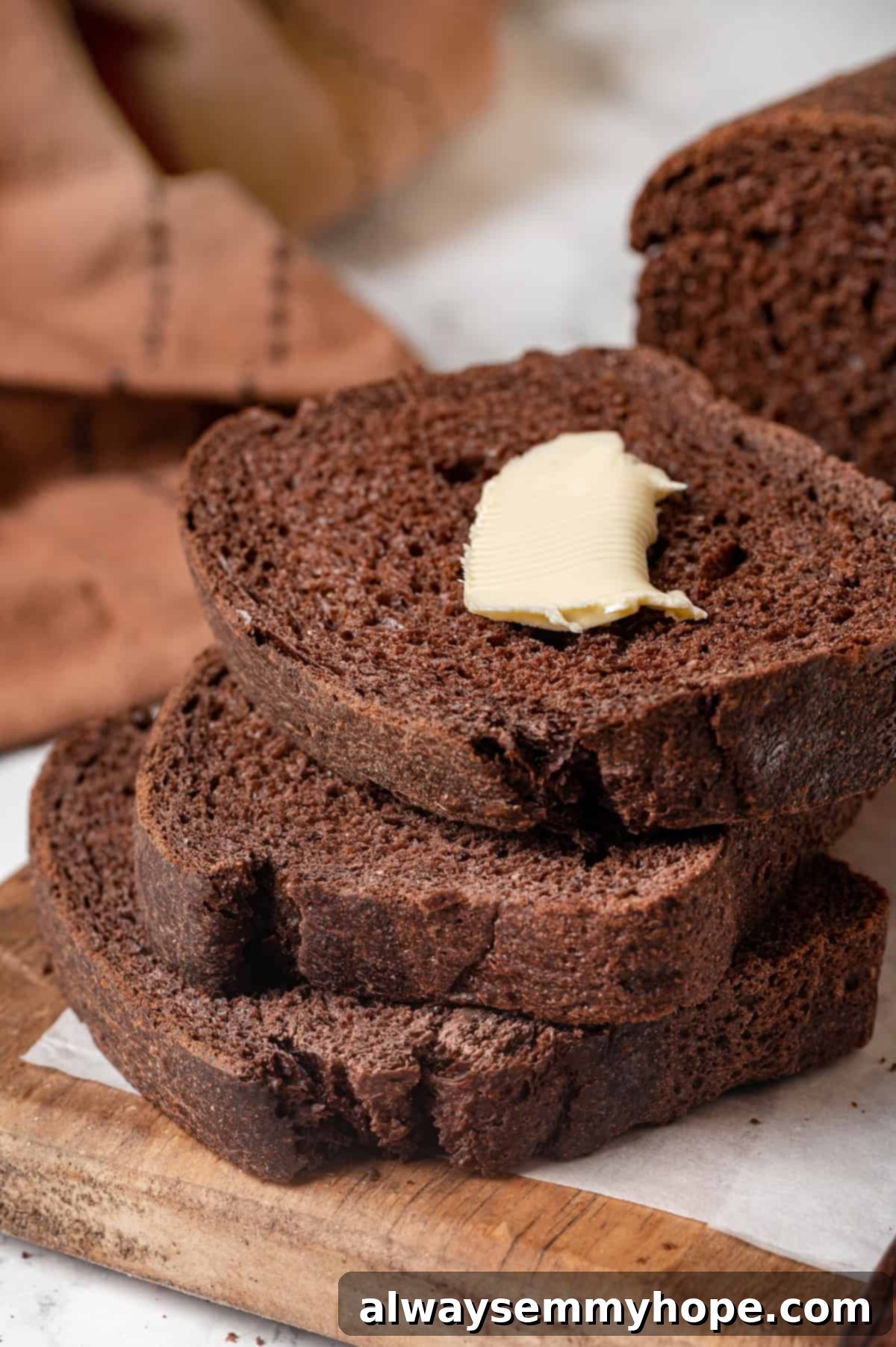
Bread baking has become an incredibly rewarding hobby for many, including myself. There’s something truly special about creating a loaf of bread from scratch, filling your home with its inviting aroma. I’ve enjoyed experimenting with different types of bread, from gluten-free options like gluten-free sandwich bread to delightful treats like vegan Japanese milk bread. However, a recent craving for hearty pumpernickel bread, perfect for pairing with a chickpea tuna salad, led me to develop this recipe. The result is a bread that captures the earthy rye flavor of a New York-style deli loaf, enhanced with the satisfaction of knowing you made it yourself.
Why You’ll Love Making Your Own Pumpernickel Bread
If you’ve successfully baked other types of bread before, you can definitely tackle this pumpernickel recipe. It’s more than worth the effort for several reasons:
- Authentic Deli-Style Flavor: This bread delivers the unmistakable earthy and robust flavor of a high-quality rye bread, deepened with subtle cocoa undertones that add complexity.
- Perfect Texture: The texture is both soft and sturdy, making it ideal for slicing, toasting, and creating delicious sandwiches. It holds up well to fillings without becoming soggy.
- No-Knead Simplicity: Forget the strenuous kneading! This recipe is designed for ease, using a no-knead method that simplifies the bread-making process. If you enjoy this, also try this crusty no-knead bread.
- Impress Your Friends and Family: Imagine the look on their faces when you present them with a loaf of homemade pumpernickel bread. It’s a guaranteed conversation starter and a delicious treat to share.
- Control Over Ingredients: Making your own bread allows you to control exactly what goes into it. You can choose high-quality flours, avoid unnecessary additives, and tailor the recipe to your dietary preferences.
- Therapeutic and Relaxing: The process of baking bread can be incredibly therapeutic. From mixing the ingredients to watching the dough rise and the bread bake, it’s a calming and rewarding activity.
- Amazing Aroma: The smell of freshly baked bread filling your home is simply irresistible. It creates a warm and inviting atmosphere that’s hard to beat.
Notes on Ingredients
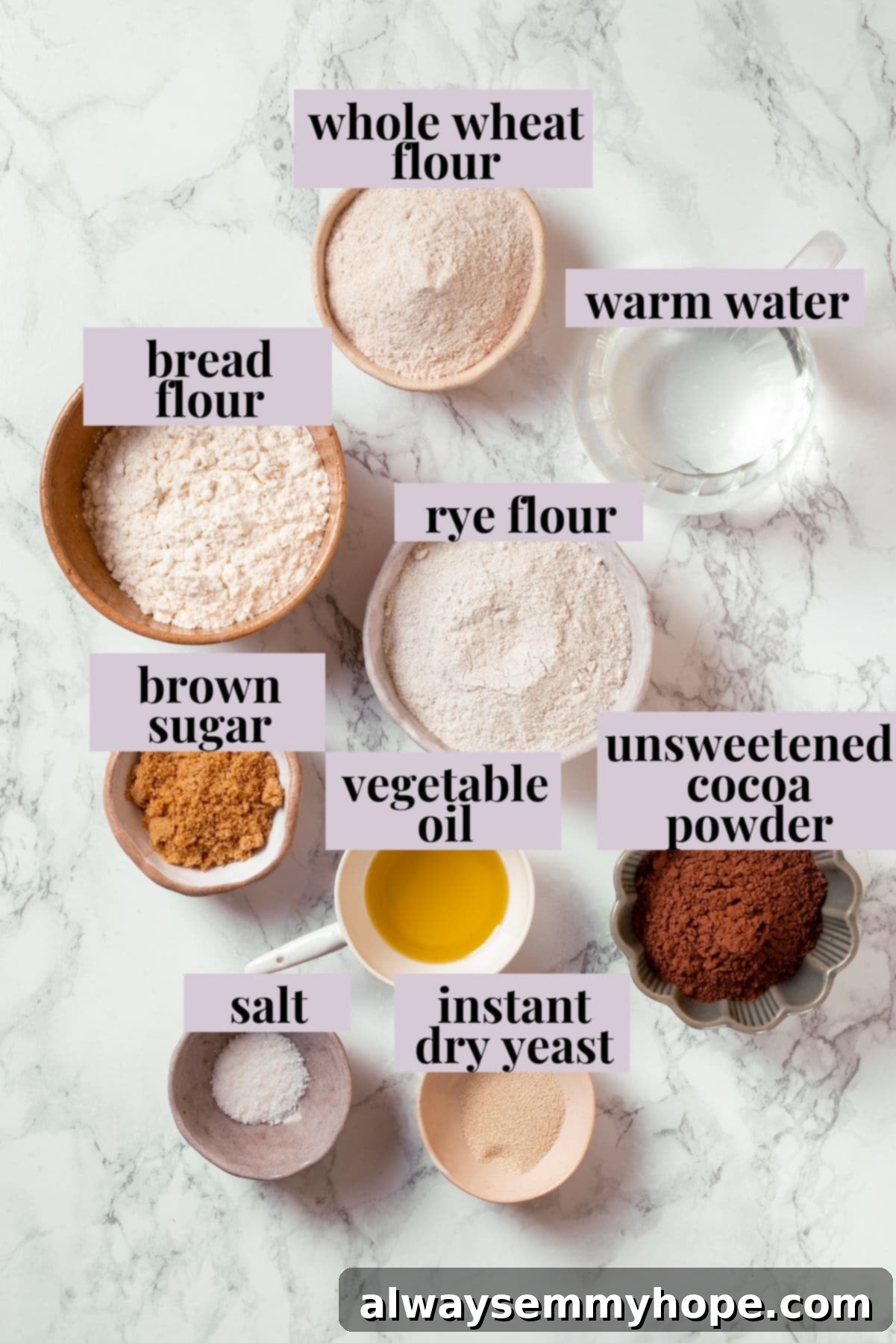
The ingredient list for homemade pumpernickel bread is surprisingly straightforward. Each component plays a crucial role in developing the bread’s unique flavor and texture. Scroll down to the recipe card to find the exact ingredient quantities and detailed recipe instructions.
- Warm Water: Essential for activating the yeast. If you have a thermometer, aim for around 105ºF (40°C). The water should feel comfortably warm, but not hot, to the touch.
- Instant Dry Yeast: The leavening agent that helps the bread rise. It’s important to use fresh yeast for the best results. Learn more about yeast and vegan options: Is Yeast Vegan?
- Brown Sugar: Adds a subtle sweetness that is characteristic of pumpernickel bread. It also contributes to the bread’s moisture and helps to create a beautiful crust.
- Vegetable Oil: Contributes to a tender and moist crumb. You can use other neutral oils like canola or sunflower oil as well.
- Flour: The heart of the bread, using a combination of rye flour, bread flour, and whole wheat flour. Each type of flour contributes different qualities to the final product. Rye flour provides the distinctive pumpernickel flavor, bread flour offers a chewy texture, and whole wheat flour adds a touch of whole-grain goodness.
- Unsweetened Cocoa Powder: Used for its dark color and a subtle, pleasing bitterness that complements the rye flavor. It doesn’t make the bread taste like chocolate, but rather enhances its overall depth of flavor.
- Salt: Enhances the flavor and controls the yeast activity, contributing to the overall structure of the bread. Don’t skip it!
- Molasses (Optional): For an even deeper, richer flavor and darker color, consider adding a tablespoon or two of molasses.
- Caraway Seeds (Optional): If you love the classic deli-style flavor, adding a tablespoon or two of caraway seeds can take your pumpernickel bread to the next level.
How to Make Pumpernickel Bread: Step-by-Step Guide
Let’s dive into the process of making this delicious pumpernickel bread. Follow these steps for a perfect loaf every time.
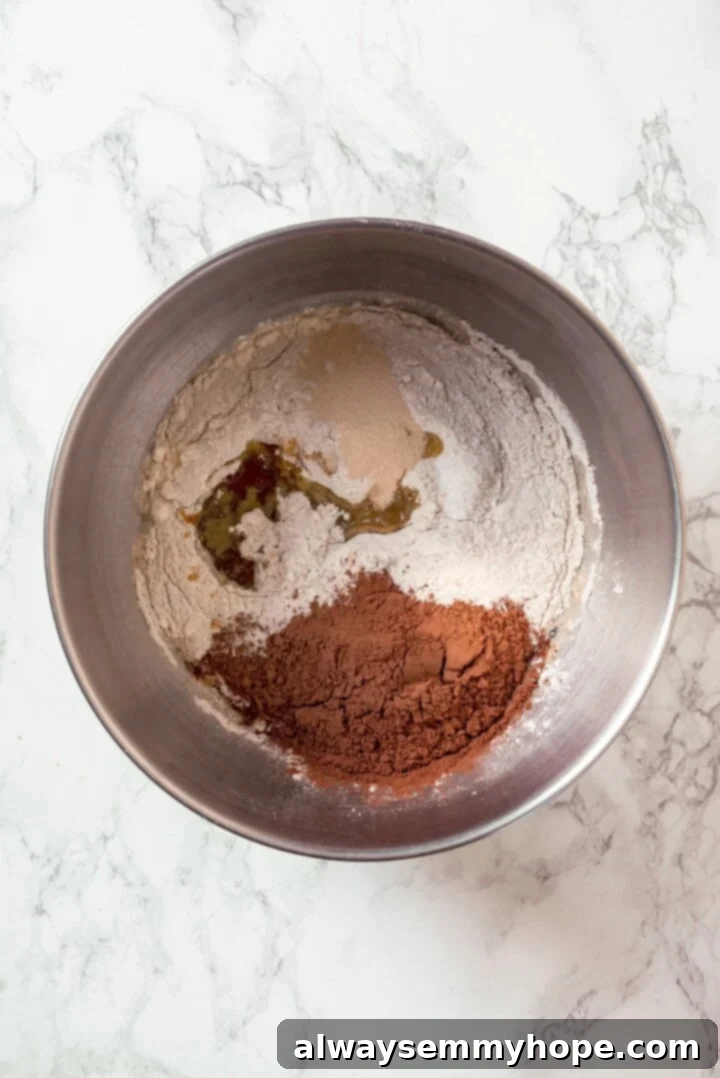
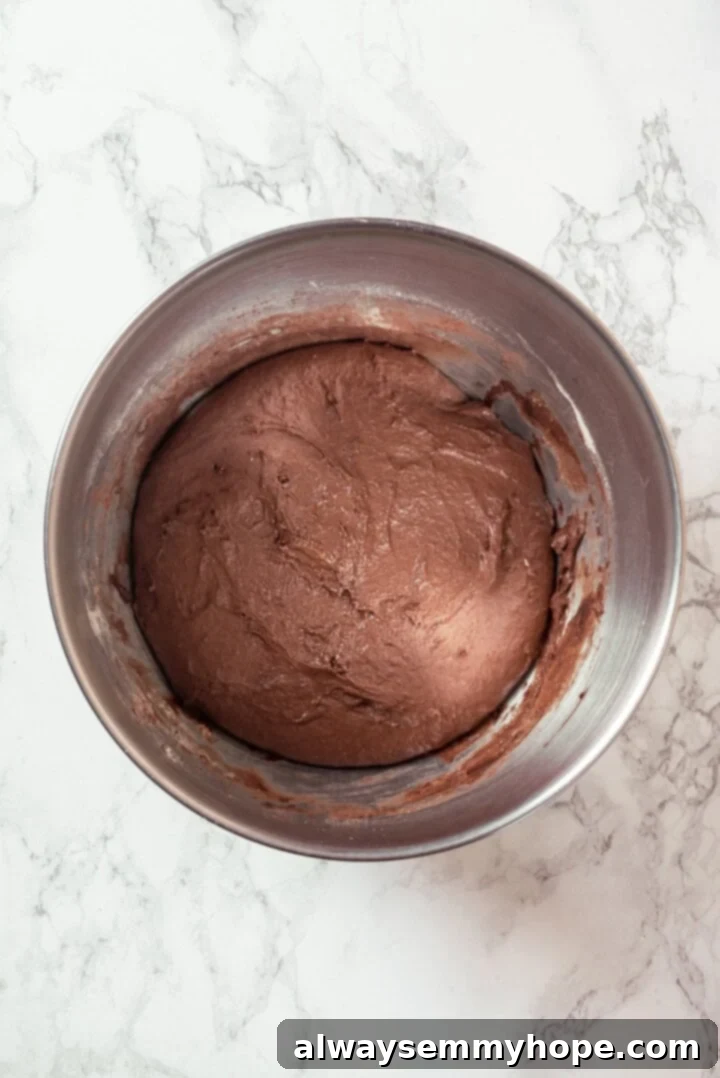
- Make the Dough: In a large bowl or the bowl of a stand mixer, combine the warm water, yeast, brown sugar, and vegetable oil. Let it sit for a few minutes until the yeast is foamy. Add the rye flour, bread flour, whole wheat flour, cocoa powder, and salt. Mix until a soft, sticky dough forms. If using a stand mixer, mix with the dough hook on low speed for about 5-7 minutes.
- First Proof (Rising): Cover the dough with plastic wrap or a damp towel and let it rise in a warm place for about 1.5 to 2 hours, or until it has puffed up and slightly expanded. The rising time may vary depending on the temperature of your kitchen.
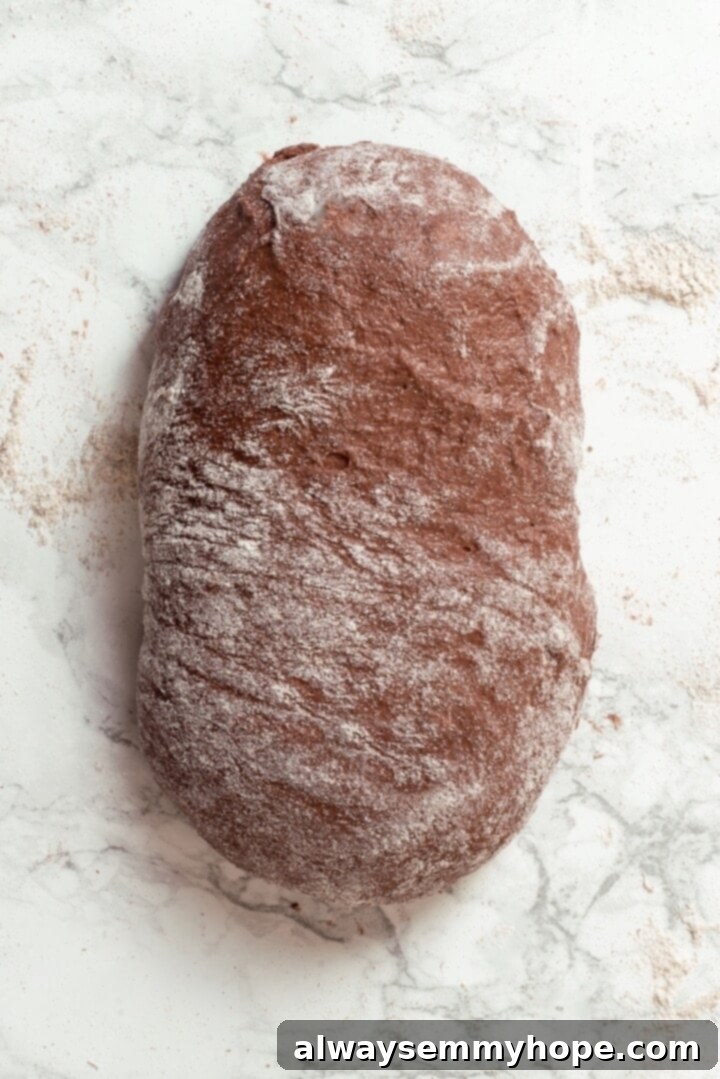
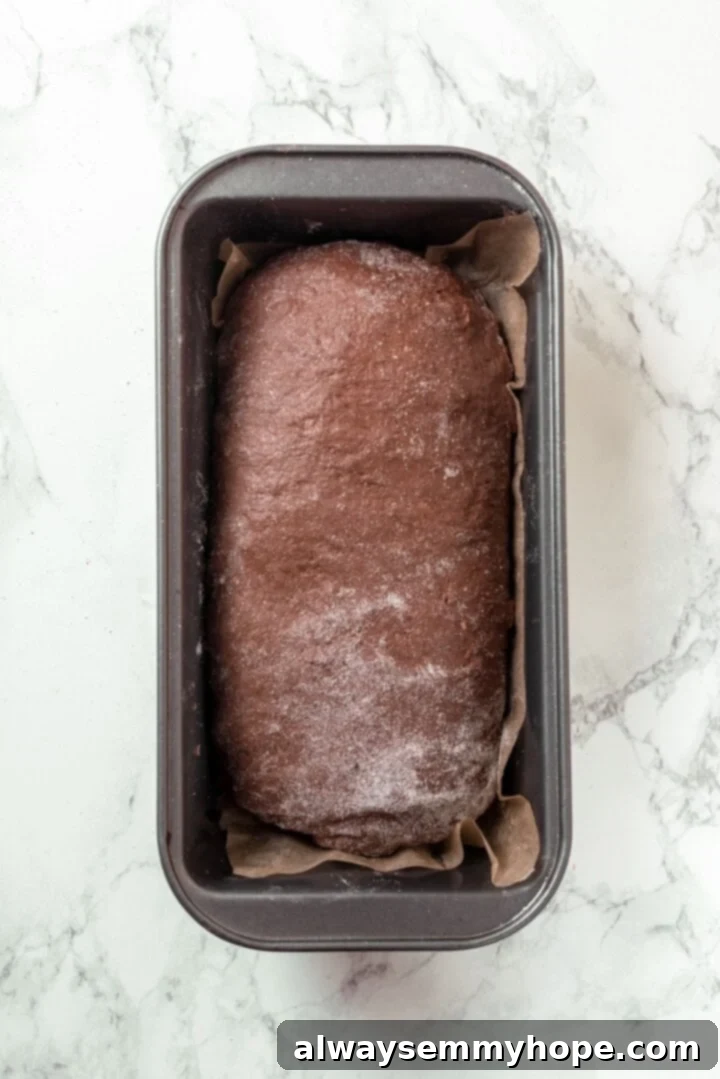
- Shape the Loaf: Gently turn the dough out onto a lightly floured surface. Shape it into a log or round loaf, depending on your preference. You can also scrape the dough into a greased loaf pan for a more uniform shape.
- Second Proof (Rising): Place the shaped dough on a baking sheet lined with parchment paper or in the greased loaf pan. Cover loosely and let it rise again for about 40 minutes, or until it looks lightly puffy.
- Bake and Cool: Preheat your oven to 425ºF (220°C). Bake the bread for 30-35 minutes, or until it is firm and sounds hollow when tapped on the bottom. The internal temperature should reach around 200ºF (93°C). Let the bread cool completely on a wire rack before slicing.
Tips and Variations for Perfect Pumpernickel Bread
Here are a few additional tips and variations to help you customize your pumpernickel bread:
- Add Caraway Seeds: For a classic deli-style pumpernickel, add 1-2 tablespoons of caraway seeds to the dough during mixing.
- Use a Dutch Oven: For a crustier loaf, bake the bread in a preheated Dutch oven. This traps steam and creates a beautiful crust.
- Watch the Dough, Not the Clock: The rising time can vary depending on the temperature in your kitchen. Use the time in the recipe as a guideline, but pay more attention to the dough’s appearance. It should be puffed up and slightly expanded.
- Make Sure Your Yeast is Active: Test your yeast before using it to ensure it is still good. How to Test Yeast to See if it’s Still Good.
- Cool Completely: Let the loaf cool completely before slicing. The bread continues to “bake” during the cooling process, and slicing it too soon can result in a gummy center.
- Add Coffee: Replace some of the warm water with strong brewed coffee for a richer, more intense flavor.
- Use Different Flours: Experiment with different types of rye flour, such as light, medium, or dark rye, to vary the flavor and color of your bread.
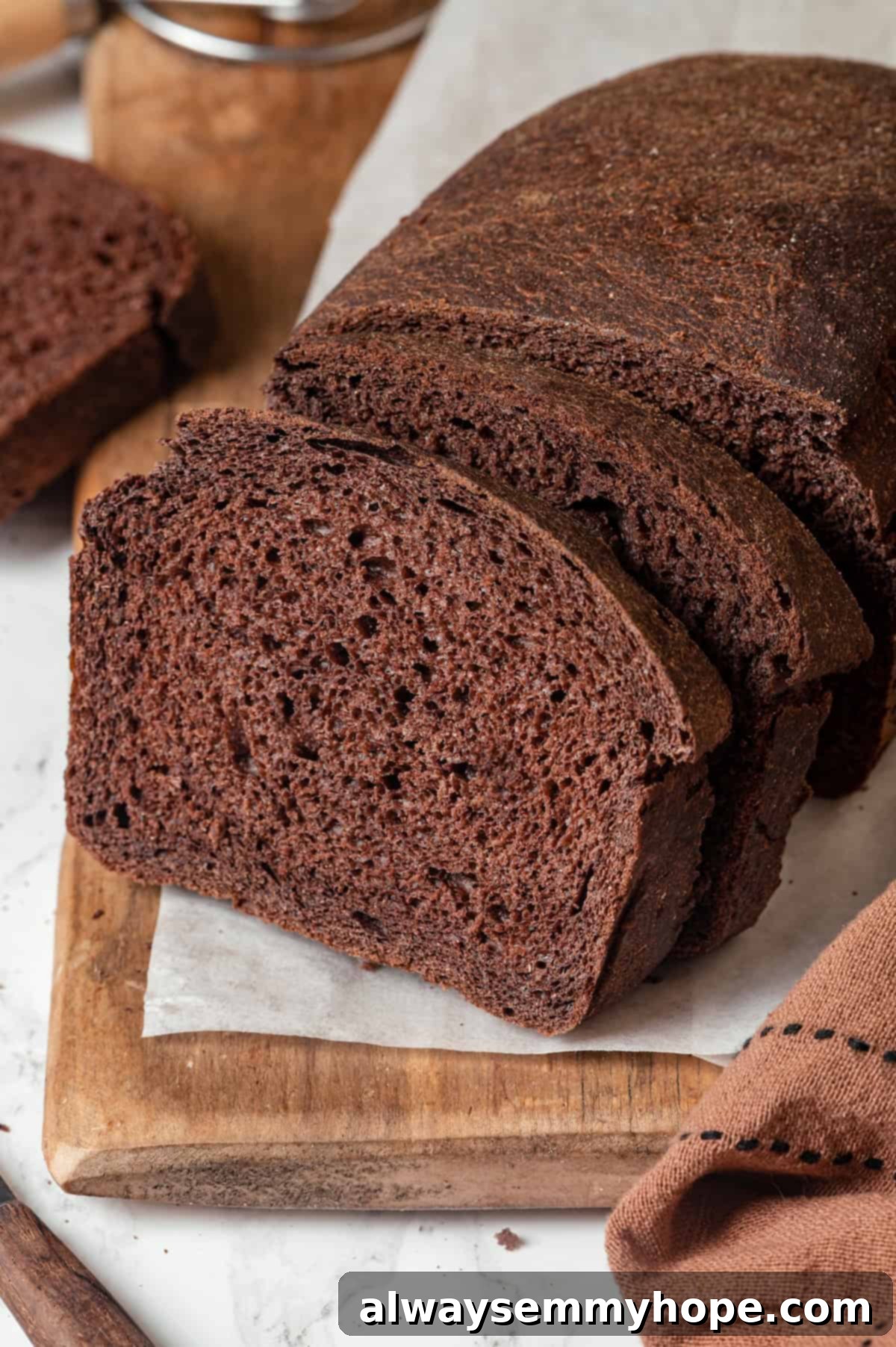
Serving Suggestions for Pumpernickel Bread
This pumpernickel bread is incredibly versatile and can be enjoyed in many ways:
- Sandwiches: The classic choice! Use it for sandwiches with your favorite fillings, such as deli meats, cheeses, or vegan alternatives.
- Toast: Toast slices and spread with vegan butter, jam, or avocado.
- Open-Faced Sandwiches: Layer it with carrot lox and vegan cream cheese for a delicious and satisfying open-faced sandwich.
- Soup Accompaniment: Serve it alongside a hearty soup, such as my creamy vegan mushroom wild rice soup.
- Croutons: Cut the bread into cubes, toss with olive oil and herbs, and bake until crispy to make delicious homemade croutons.
- Bread Pudding: Use stale pumpernickel bread to make a savory bread pudding with cheese, vegetables, and herbs.
How to Store Your Pumpernickel Bread
Proper storage will help keep your homemade pumpernickel bread fresh for longer:
- Room Temperature: Wrap the loaf tightly in plastic wrap or place it in an airtight container. Store at room temperature for up to 3 days.
- Freezing: For longer storage, freeze the loaf for up to 3 months. Wrap it tightly in plastic wrap and then in a freezer bag. Thaw at room temperature before using.
More Vegan Bread Recipes to Try
If you enjoyed this pumpernickel bread recipe, here are a few other vegan bread recipes you might like:
- Olive Bread
- Monkey Bread Recipe
- Gluten-Free Dinner Rolls
- Gluten-Free Focaccia
- Vegan Brioche Bread: A rich and tender bread perfect for French toast or sandwiches.
- Seeded Whole Grain Bread: A hearty and nutritious bread packed with seeds and whole grains.