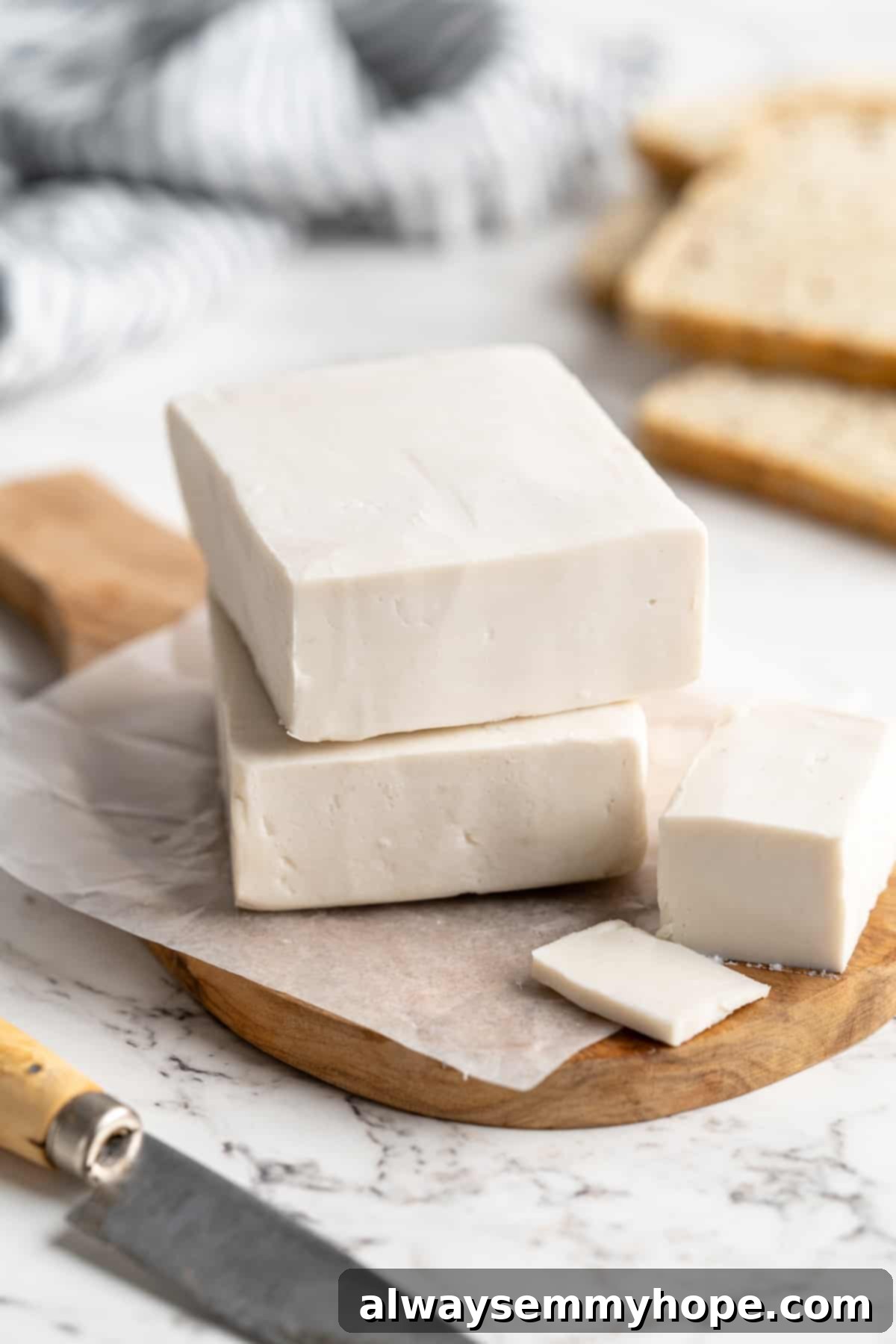
Mastering Homemade Vegan Butter: Your Ultimate Guide to a Versatile Dairy-Free Alternative
Discover the secret to crafting the perfect dairy-free butter right in your own kitchen with this incredible homemade vegan butter recipe. Forget expensive store-bought options that often fall short. Our meticulously developed plant-based butter offers unparalleled versatility and taste, allowing you to seamlessly integrate it into all your culinary adventures. Whether you’re spreading it generously on warm toast, using it to sauté vibrant vegetables, incorporating it into your favorite baked goods, or achieving that silky smooth frosting, this vegan butter performs flawlessly. And yes, for all the connoisseurs out there, you can even achieve that rich, nutty browned butter flavor!
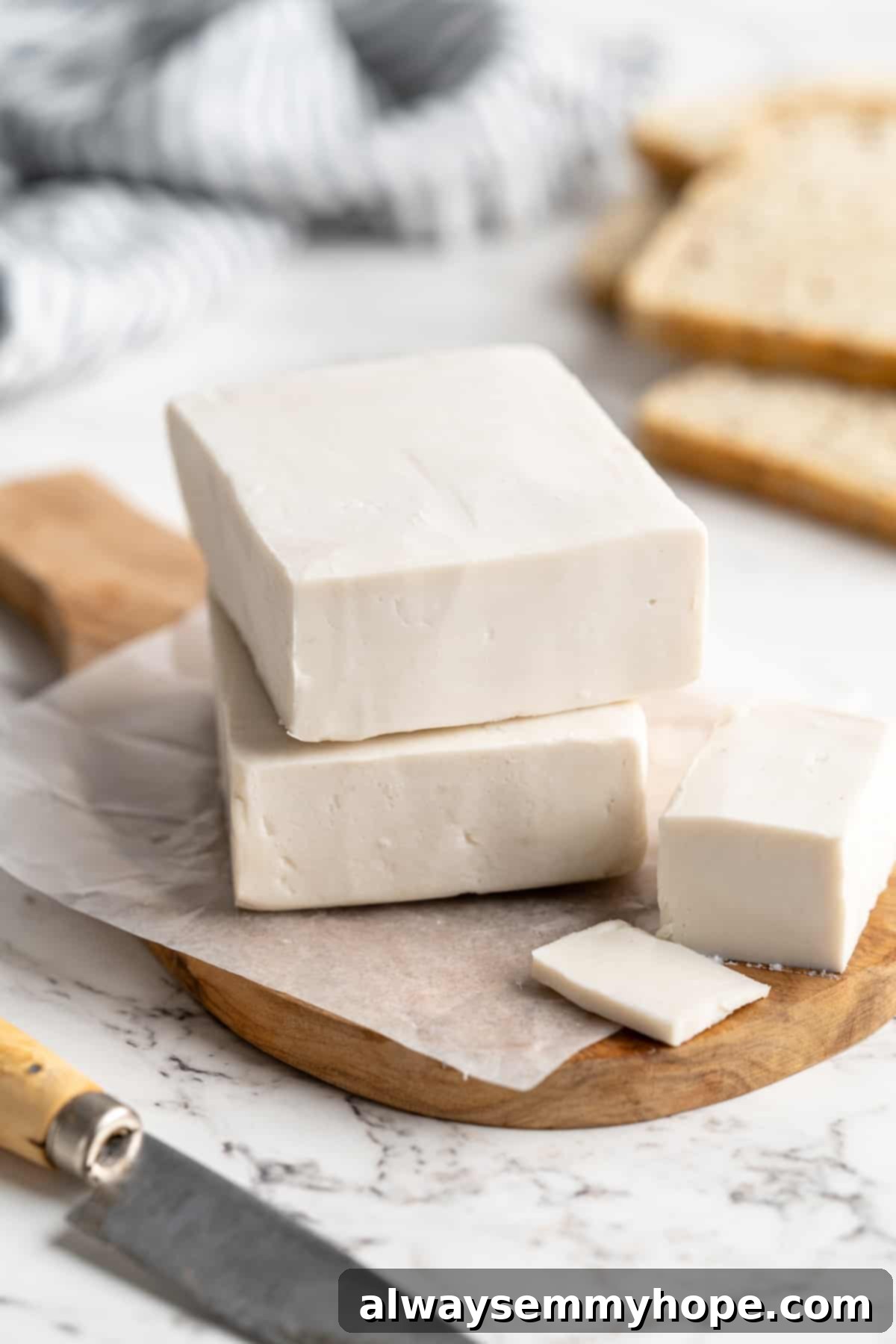
Our journey into making homemade vegan butter began over a year ago, driven by a desire for both quality and economy. What started as a simple experiment quickly evolved into a passion project, enabling us to not only save a significant amount on grocery bills but also to fully customize our butter for every imaginable use. From savory applications to herb-infused creations, and whether you prefer it salted or unsalted, this guide provides all the options you need to tailor your dairy-free butter to perfection.
After numerous trials and adjustments, we proudly landed on a unique formulation that leverages the power of cashews to create the absolute best vegan butter we’ve ever tasted. Why cashews, you ask? Through extensive testing, including alternatives like almonds, cashews consistently delivered the creamiest texture, the most reliable set, an extended storage life, and, crucially, the ability to brown beautifully—a feature often challenging to achieve with plant-based butters. But don’t worry, if nuts are a concern, we’ve also perfected an incredible nut-free version that still delights!
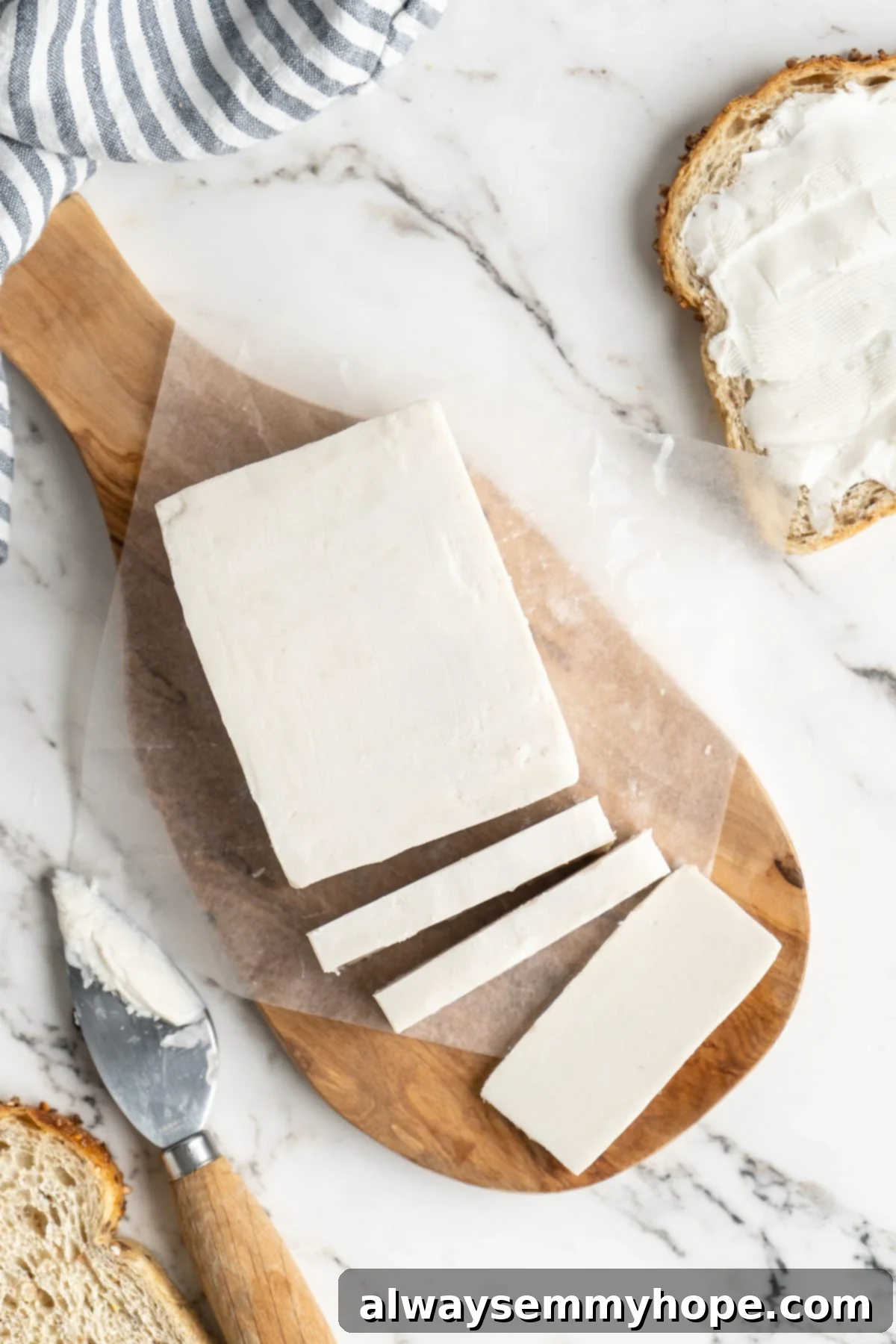
Why This Vegan Butter Recipe Will Become Your New Favorite
- Economical & Budget-Friendly. Navigating the world of vegan products can sometimes be costly. The prices of specialty vegan meats, cheeses, and milks can quickly add up. By making staples like this vegan buttermilk, vegan chicken, and vegan yogurt at home, along with this exceptional vegan butter, you’ll significantly reduce your grocery expenses. It’s an easy and impactful way to make your plant-based lifestyle more affordable.
- Wholesome Ingredients You Trust. One of the greatest advantages of preparing your own food is gaining complete control over what goes into it. With this homemade vegan butter recipe, you know exactly every ingredient, avoiding unnecessary additives, preservatives, or artificial flavors often found in commercial products. Beyond that, the ability to customize its flavor profile to your personal preferences (salty, unsalted, herbed) is a game-changer. Plus, there’s an undeniable satisfaction and coolness factor in creating delicious essentials from scratch!
- Unmatched Versatility for Every Culinary Need. This isn’t just a spread; it’s a true workhorse in the kitchen. Our homemade vegan butter can be used in virtually every way you’d use traditional dairy butter. Imagine spreading it effortlessly on warm muffins, using it to sauté your favorite vegetables, baking it into flaky pastries and cookies, whipping it into light and airy frostings, and even achieving a golden-brown hue for sauces and glazes. Its robust performance makes it indispensable for both everyday cooking and special occasion baking.
- Surprisingly Simple to Prepare. The idea of making vegan butter might initially sound complex or intimidating, but we assure you, it’s remarkably straightforward. This recipe requires just a handful of readily available ingredients and a high-speed blender. The process is quick and efficient, making it easy to whip up large batches for future use, ensuring you always have delicious, dairy-free butter on hand.
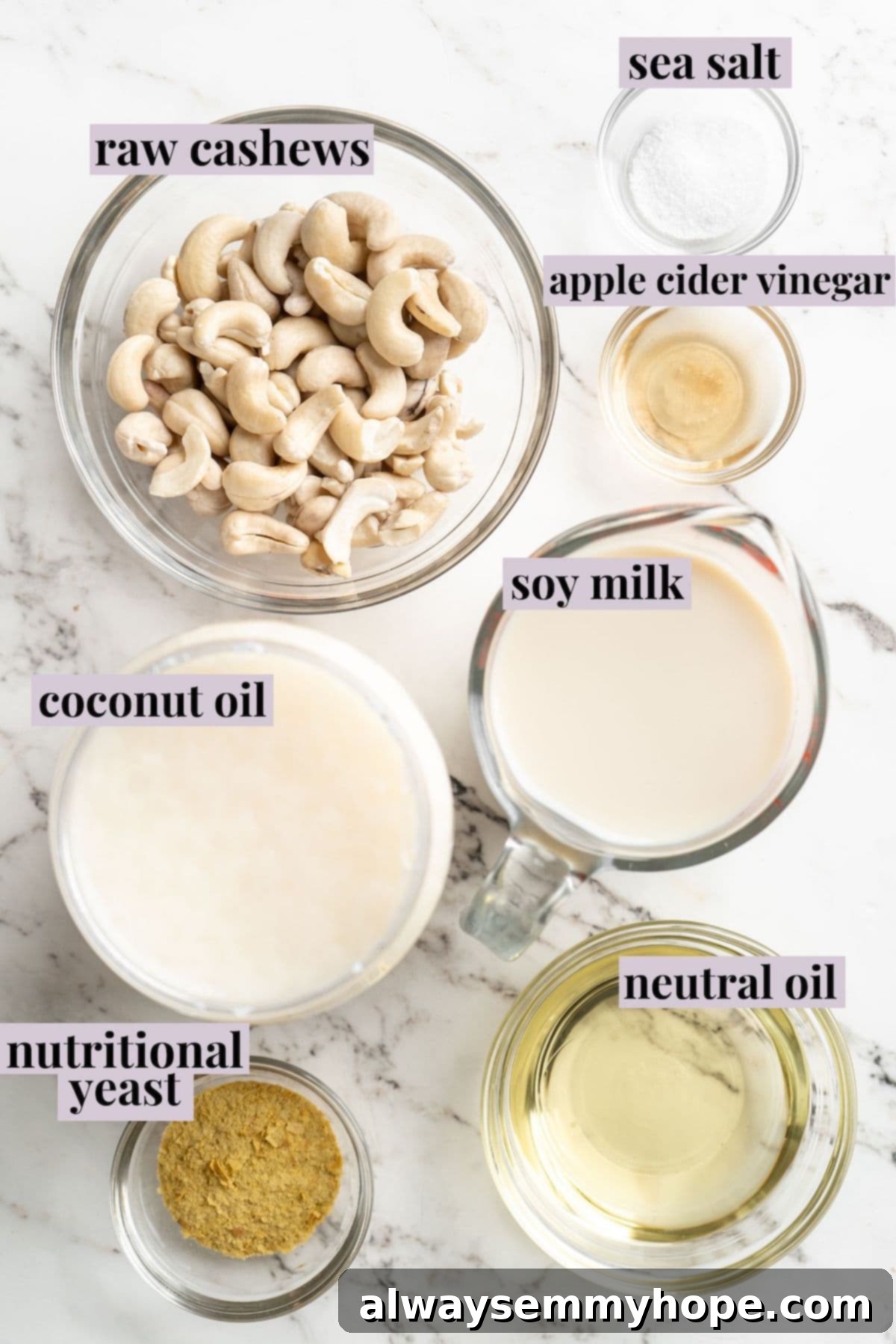
Essential Notes on Ingredients for Perfect Vegan Butter
For precise ingredient quantities and detailed recipe instructions, please scroll down to the comprehensive recipe card below.
- Soy Milk – This is our preferred liquid base due to its creamy texture and natural emulsifying properties that aid in the butter’s setting. If you have a soy allergy or prefer to avoid soy, a fantastic alternative is full-fat cashew milk. When using cashew milk, it’s crucial to incorporate sunflower lecithin granules. The lecithin acts as an essential emulsifier, ensuring your butter achieves the desired firm and cohesive texture.
- Refined Coconut Oil – The key to a truly neutral-tasting vegan butter is using refined coconut oil. Unlike unrefined (virgin) coconut oil, which retains a distinct coconut flavor and aroma, refined coconut oil is flavorless, allowing the subtle buttery notes to shine through without any tropical undertones. Ensure it’s melted before adding it to the blender for smooth incorporation.
- Neutral Oil – A neutral-flavored liquid oil is vital for achieving the right consistency and mouthfeel. Options like sunflower oil, safflower oil, canola oil, or avocado oil work wonderfully. These oils contribute to the smooth, spreadable texture of the butter without imparting any strong flavors that could overpower the overall taste.
- Apple Cider Vinegar – A small amount of apple cider vinegar (ACV) serves multiple purposes. It adds a subtle tang, mimicking the slight acidity found in dairy butter, and also acts as a natural preservative, helping to extend the shelf life of your homemade creation.
- Sea Salt – The amount of salt you add is entirely up to your preference and intended use. For a classic salted butter, we recommend up to 1 teaspoon of sea salt. However, if you plan to primarily use this vegan butter for baking, where recipes often call for unsalted butter, you can (and should) omit the salt entirely.
- Nutritional Yeast – This ingredient is a vegan kitchen staple, prized for its unique savory, cheesy, and slightly umami flavor profile. In this recipe, nutritional yeast helps to enhance the “buttery” taste, adding depth and richness that truly makes this dairy-free alternative sing.
- Raw Cashews – Cashews are the star ingredient for achieving that incredibly creamy, rich texture and exceptional browning capability in our best vegan butter. For optimal blending and smoothness, it’s essential to soak them. Ideally, soak raw cashews in water for at least 4 hours, or preferably overnight. If you’re short on time, a quick soak method works too: simply boil them in water for 5 minutes on the stovetop, then drain and rinse.
Can I make vegan butter without nuts? Absolutely!
Yes, you certainly can! For those with nut allergies or preferences, simply follow the recipe as written, but omit the raw cashews. That’s truly all there is to it. The resulting nut-free vegan butter will still have a delightful flavor and will set up beautifully, thanks to the soy milk and oils. However, it’s important to note that the creaminess won’t be quite as pronounced as the cashew-based version, and it won’t achieve the same level of browning. Despite these minor differences, it remains a fantastic and versatile dairy-free butter alternative.
Simple Steps to Craft Your Own Vegan Butter at Home
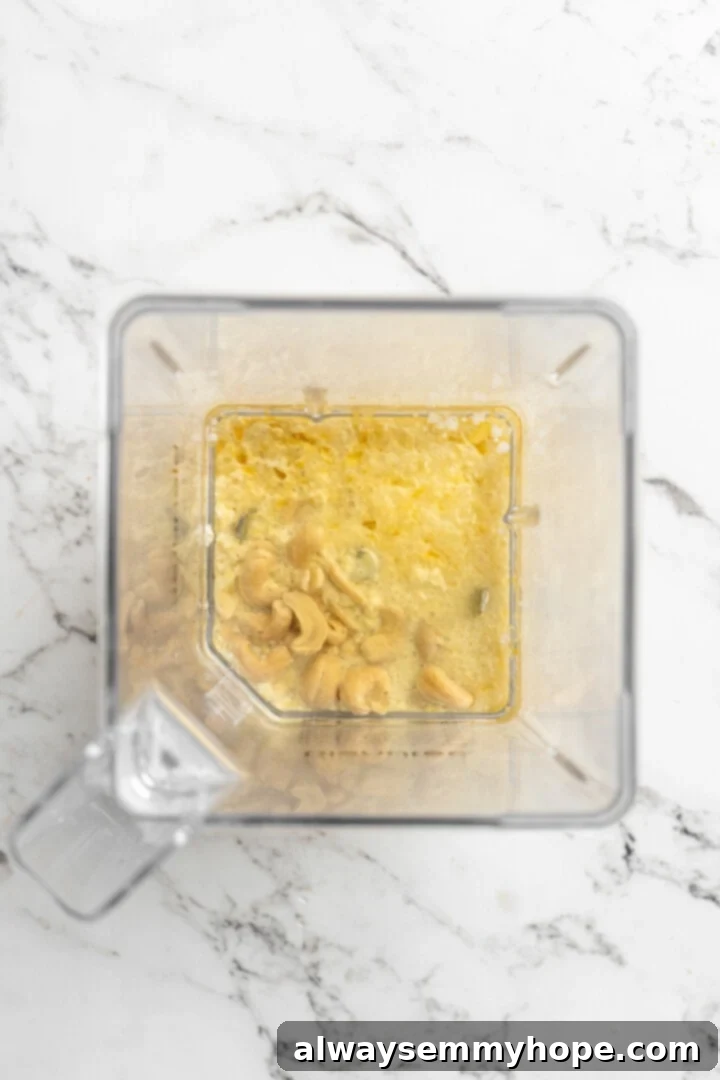
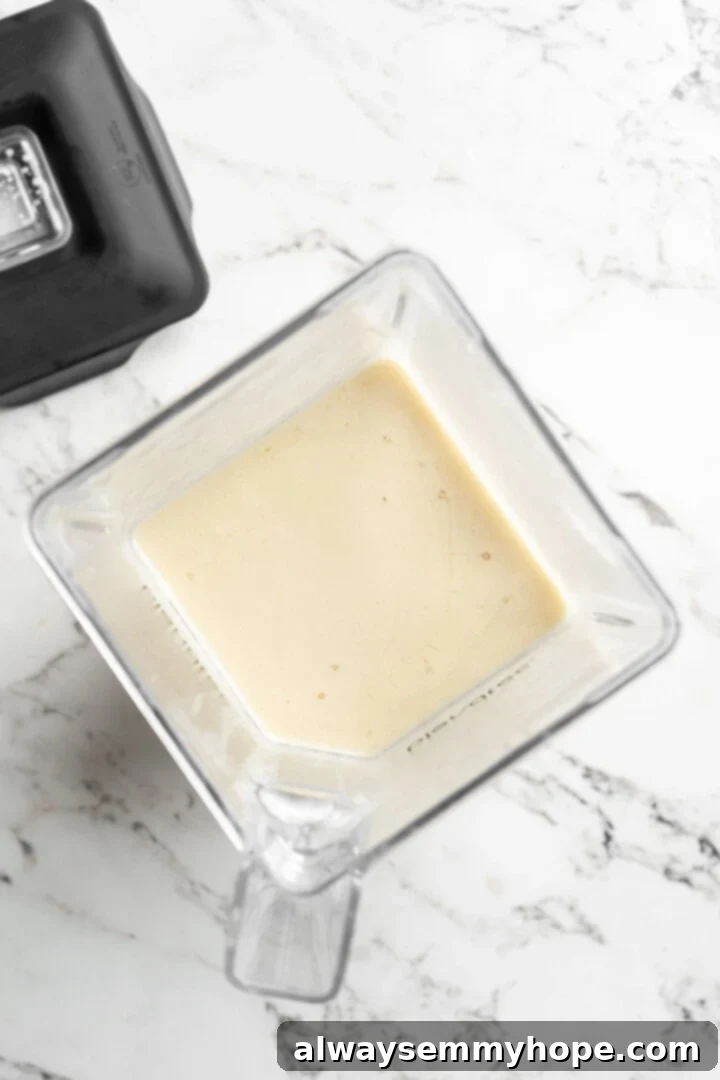
- Blend to Perfection. Begin by adding all of your carefully measured ingredients to a powerful, high-speed blender. It’s crucial that all ingredients are at room temperature to ensure proper emulsification and a smooth, consistent blend. Blend on high speed until the cashews are completely smooth and the mixture is utterly creamy and uniform. This usually takes about 15-30 seconds in a high-powered blender, ensuring no gritty bits remain.
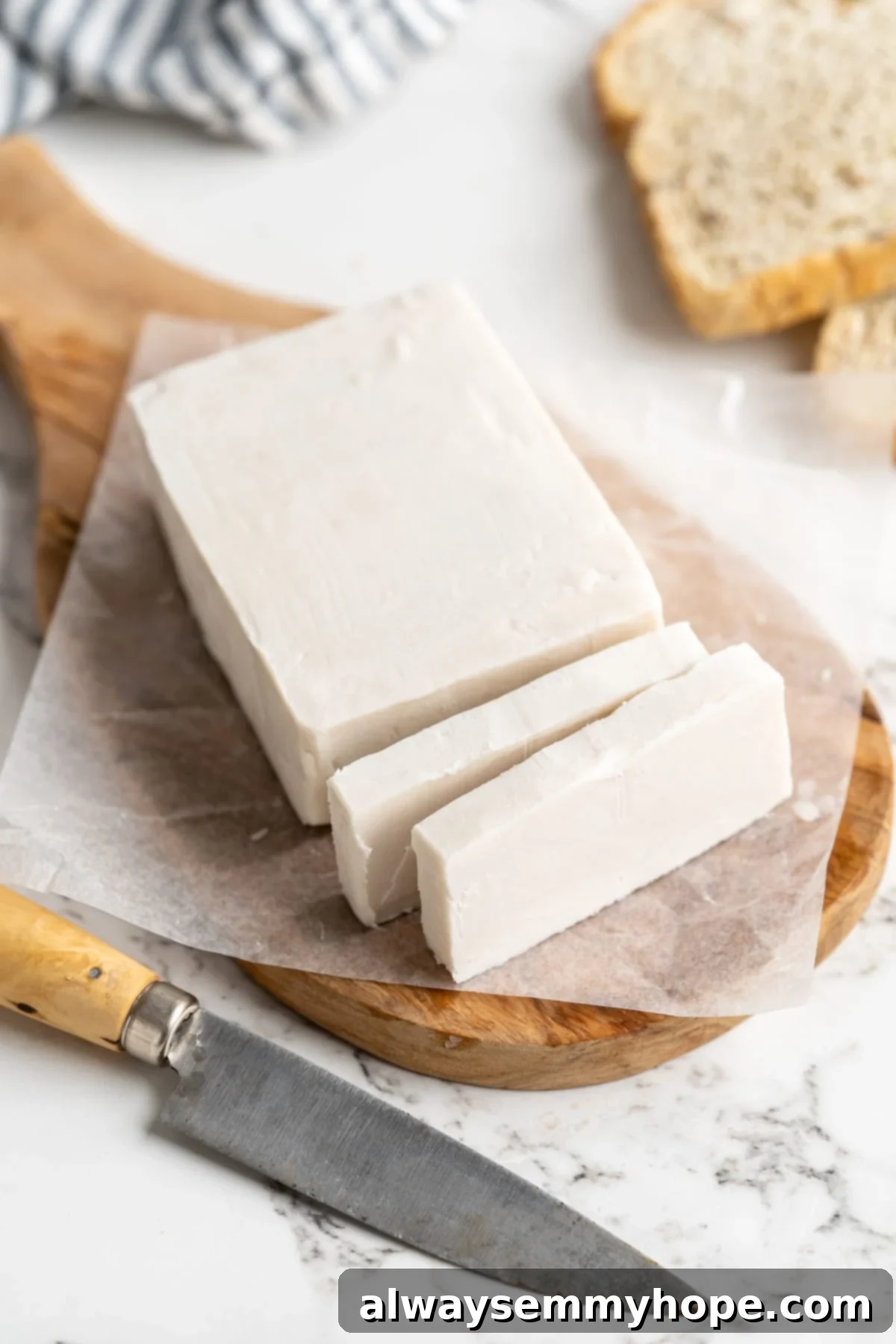
- Chill and Set. Once blended, carefully pour the liquid butter mixture into your chosen container or mold. A butter dish, a silicone mold, or even a small airtight container will work perfectly. Cover the container tightly and transfer it to the refrigerator. Allow the vegan butter to chill and set completely for a minimum of 5 hours, though for the best and firmest results, we highly recommend letting it set overnight. This patience will be rewarded with perfectly firm butter.
- Ready for Use. When your homemade vegan butter has fully set, remove it from the refrigerator and it’s ready to be used! Slice, spread, sauté, or bake to your heart’s content. After each use, simply return any unused portion to the fridge to maintain its freshness and firm consistency. You’ll be amazed at how well this plant-based butter performs in all your favorite recipes!
Essential Tips for Making the Best Vegan Butter
- Adhere Strictly to the Recipe Instructions. Unlike some recipes where minor improvisations are acceptable, this vegan butter recipe is a delicate balance of ratios and ingredient interactions. For optimal results, it’s vital to follow the instructions precisely. Skipping an ingredient (other than intentionally omitting cashews for the nut-free version, as discussed) or substituting without careful consideration will likely alter the final texture and stability of your butter, so trust the process!
- Avoid Extra-Virgin Olive Oil. While extra-virgin olive oil is a beloved staple in many kitchens and offers fantastic health benefits, it is not suitable for this recipe. Its robust, distinct flavor becomes surprisingly bitter and overpowering once emulsified into butter. For the best, truly neutral-tasting vegan butter, always opt for a neutral-flavored oil like sunflower, safflower, canola, or avocado oil.
- Do Not Use Only Coconut Oil. Tempting as it might be to simplify, relying solely on coconut oil for the fat component will not yield the desired buttery texture. Coconut oil has a very firm, brittle consistency when chilled, which will result in a butter that is too hard and not spreadable at room temperature. The combination of refined coconut oil and a neutral liquid oil is essential to achieve the perfect balance of firmness and creamy spreadability.
- Ensure All Ingredients are at Room Temperature. This might seem like a small detail, but it’s critically important for achieving the best quality and consistency. When all ingredients (especially the soy milk and oils) are at room temperature, they emulsify much more effectively, creating a homogenous, smooth mixture that will set beautifully. If your ingredients are too cold, the mixture may whip up with a texture more akin to our vegan mayonnaise—still delicious, but it won’t solidify into a firm, sliceable butter.
Unleash Your Creativity: Making Vegan Compound Butter
Transform your homemade vegan butter into an aromatic and flavorful compound butter with incredible ease! After you’ve blended all the core butter ingredients to a smooth consistency, simply add about 1 to 2 tablespoons of your favorite fresh or dried herbs. Imagine the possibilities: finely chopped rosemary and garlic, fresh dill and chives, or even a sweet cinnamon sugar blend. Once the herbs are incorporated, pour the mixture into your chosen dish or mold and allow it to set as usual. This herbed vegan compound butter is absolutely amazing spread on warm homemade vegan cornbread muffins, tossed with roasted vegetables, or melted over pasta.
Endless Culinary Possibilities: Ways to Use Your Vegan Butter
This versatile homemade vegan butter is truly a kitchen essential. We’ve thoroughly tested its performance across a wide array of culinary applications, and it has consistently exceeded our expectations. Here are just a few of the many ways you can enjoy your delicious dairy-free creation:
- Whipping into Frosting: Achieve luxuriously smooth and creamy frostings, like our decadent vegan chocolate frosting. Its stability and texture make it perfect for piping and decorating.
- Browning for Depth of Flavor: Yes, you can make beautiful browned butter! Just remember to do it slowly and at a slightly lower temperature than you would with dairy butter to prevent burning. It adds an incredible nutty depth to sauces and desserts.
- Sautéing and Stir-Frying: Perfect for adding richness to savory dishes. Try it with this delightful garlic sautéed mushrooms recipe or for frying up your favorite plant-based proteins.
- Melting and Drizzling: Drizzle melted vegan butter over steamed vegetables, fluffy popcorn, or these irresistibly crispy smashed potatoes for an extra layer of flavor and moisture.
- Baking and Everyday Cooking: Substitute it one-for-one in almost any recipe that calls for dairy butter, from flaky pie crusts and tender cookies to rich sauces and flavorful risottos. Its consistent performance makes it a reliable choice for all your vegan baking and cooking needs.
Storing Your Homemade Vegan Butter
To keep your delicious homemade vegan butter fresh and ready to use, store it properly in the refrigerator. It will maintain its quality for about 2-3 weeks when kept in an airtight container or a traditional butter dish. Ensure it’s well-sealed to prevent it from absorbing any odors from other foods in your fridge.
Can I Freeze This Vegan Butter?
Absolutely! This vegan butter freezes exceptionally well, making it perfect for meal prep or for simply ensuring you always have some on hand. If you’ve made a large batch and know you won’t use it all within a few weeks, consider freezing half. Wrap it tightly in parchment paper and then in aluminum foil, or store it in an airtight freezer-safe container for up to 3 months. When you’re ready to use it, simply thaw it slowly in the refrigerator overnight to maintain its best texture.
Explore More Vegan Kitchen Staples
- Your Guide to Vegan Egg Substitutes
- The Best Vegan Dairy Substitutes for Every Need
- Creamy Homemade Oat Milk Creamer Recipe
- Effortless Coconut Whipped Cream (Just 2 Ingredients!)
- The Best Vegan Cream Cheese You’ll Ever Make
Enjoy crafting this incredible vegan butter, friends! If you try this homemade vegan butter recipe, we’d absolutely love to see your creations. Please snap a photo and tag #jessicainthekitchen on Instagram! Your feedback means the world to us, so please consider leaving a comment below and giving the recipe a rating. Thank you so much for your support!
Vegan Butter
Pin Recipe
Leave a Review
Ingredients
- 1/2 cup soy milk, room temperature, see notes for allergy-friendly substitutions
- 1 cup refined coconut oil, melted for smooth consistency
- 2 tablespoons neutral oil, such as sunflower oil, safflower oil, canola oil, or avocado oil for desired texture
- 1 teaspoon apple cider vinegar
- 1/4 teaspoon sea salt , (add up to 1 teaspoon for a richer salted butter, or omit entirely if primarily for baking)
- 1 1/2 teaspoons nutritional yeast, for an enhanced buttery flavor
- 1/3 cup raw cashews, soaked for at least 4 hours (preferably overnight), or quickly boiled for 5 minutes on the stove top*
Instructions
- Carefully add all of the prepared ingredients into a high-powered blender. Double-check that all ingredients, especially the liquids and oils, are at optimal room temperature to facilitate proper emulsification and ensure a perfectly smooth blend.
- Blend the mixture on high speed until all ingredients are thoroughly combined and the cashews are completely smooth, with no grittiness. In high-powered blenders like a Blendtec or Kitchenaid, this typically takes about 15-30 seconds. If using a less powerful blender, continue blending until fully homogenous, being mindful not to let the mixture get too warm, which could cause it to separate.
- Pour the freshly blended butter mixture into a container or mold of your choice. Ensure the container is one that will allow the butter to take on its desired shape upon setting. Cover the container securely and place it in the refrigerator. Allow the vegan butter to set completely for at least 5 hours, though for the firmest and most stable results, chilling it overnight is highly recommended.
- Once your homemade vegan butter is fully set and firm, remove it from the fridge. It’s now ready to be used as you please – spread it, cook with it, or bake with it! After each use, return any remaining butter to the refrigerator to maintain its freshness and firm texture. This butter has been rigorously tested in various applications, including frostings, and performs perfectly every time!
Notes
If you are avoiding soy milk, a viable alternative is full-fat cashew milk. When using cashew milk, you must also incorporate soy lecithin granules (or sunflower lecithin for a soy-free option). The lecithin is a crucial emulsifier that ensures the butter properly sets and holds its form.
This recipe yields approximately 2 cups of rich, creamy vegan butter, with each serving size calculated as 1 tablespoon.
Your homemade vegan butter will stay fresh in the refrigerator for about 2-3 weeks when stored in an airtight container. It also freezes exceptionally well; simply thaw it in the fridge overnight before use.
Always use refined coconut oil to ensure your butter has a neutral taste, free from any discernible coconut flavor. Unrefined coconut oil will impart a strong coconut taste.
Tips and tricks for making the best vegan butter
- Follow the instructions precisely. This recipe is formulated with specific ingredient ratios and temperatures in mind. Deviating significantly or attempting to substitute ingredients without careful consideration will likely result in a less than ideal texture or consistency. It’s not a recipe for improvisation, so stick to the guide for success.
- Avoid extra virgin olive oil. While a staple for many culinary uses, extra virgin olive oil has a very strong, distinct flavor that, when emulsified into butter, can become unpleasantly bitter and overpower the delicate buttery notes. For the purest and most authentic butter flavor, always opt for a truly neutral oil such as sunflower, canola, vegetable, or safflower oil.
- Do not use only coconut oil. Using solely coconut oil as the fat component will result in a butter that is too hard and brittle when cold, and may become oily and separate at room temperature. The combination of refined coconut oil (for structure) and a neutral liquid oil (for spreadability) is essential for achieving the perfect balance of firmness and creamy texture that mimics traditional butter.
- Room temperature ingredients are key. For the finest quality and most consistent results, ensure all your ingredients are at room temperature. This significantly aids in the emulsification process, allowing the ingredients to blend seamlessly into a smooth, homogenous mixture. If you use cold ingredients, your butter might whip up with a texture similar to mayonnaise – it will still taste good, but it will likely fail to set into a firm, sliceable butter.
Can I make vegan butter without nuts?
Yes, absolutely! To create a nut-free version of this delicious vegan butter, simply follow the recipe exactly as listed, but omit the raw cashews entirely. The process remains the same, and the butter will still set beautifully and taste great, though its creaminess might be slightly less intense, and its ability to brown will be reduced without the cashews.
Disclaimer: Although jessicainthekitchen.com attempts to provide accurate nutritional information, kindly note that these are only estimates. Nutritional information may be affected based on the product type, the brand that was purchased, and in other unforeseeable ways. Jessicainthekitchen.com will not be held liable for any loss or damage resulting for your reliance on nutritional information. If you need to follow a specific caloric regimen, please consult your doctor first.