
Indulge in Homemade Vegan Malai Kofta: Your Ultimate Guide to a Rich and Creamy Plant-Based Indian Delight
Prepare to be transported to your favorite Indian restaurant with this incredible vegan malai kofta recipe! We’ve meticulously crafted these tender, flavor-packed dumplings by swapping traditional paneer for wholesome tofu. Each dumpling is then lovingly cooked in a luxurious, creamy tomato-based sauce, creating a truly irresistible plant-based meal. Get ready for a culinary experience that’s both comforting and gourmet!

For many years, malai kofta held a special place on my Indian restaurant order list. The delicate, melt-in-your-mouth dumplings bathed in a sumptuous, rich, and creamy sauce were simply too good to pass up. However, traditional malai kofta, made with paneer cheese and heavy cream, falls outside the boundaries of a vegan diet. But what if you could recreate that magic in your own kitchen? The good news is, you absolutely can! With just a few clever and easy plant-based substitutions, you can enjoy all the authentic flavors and textures of malai kofta, completely vegan-friendly.
What Is Malai Kofta? Unpacking This Iconic Indian Dish
Often confused with Middle Eastern-style kofta, malai kofta is a distinct and beloved Indian delicacy. Originating from North India, it’s now a culinary staple enjoyed across the subcontinent and in Indian eateries worldwide. The term “malai” translates to cream, directly referring to the rich, often dairy-based sauce that envelops the “kofta” – tender, fried dumplings. Traditionally, these dumplings are crafted from a delightful mixture of paneer (an Indian cheese), mashed potatoes, and a generous medley of aromatic spices. They are then simmered to perfection in a flavorful, creamy tomato-based gravy. Typically, malai kofta is served alongside warm naan bread or fragrant basmati rice, creating a hearty and deeply satisfying meal.
Our vegan adaptation expertly transforms this classic. We replace the paneer with extra-firm tofu, which boasts a wonderfully mild flavor and a texture remarkably similar to paneer, making it an ideal substitute. The heavy cream in the sauce is then exchanged for full-fat coconut milk, delivering unparalleled creaminess without any dairy. These simple yet effective swaps ensure that our vegan malai kofta retains all the luxuriousness and depth of flavor of the original, making it an accessible and delicious option for everyone.
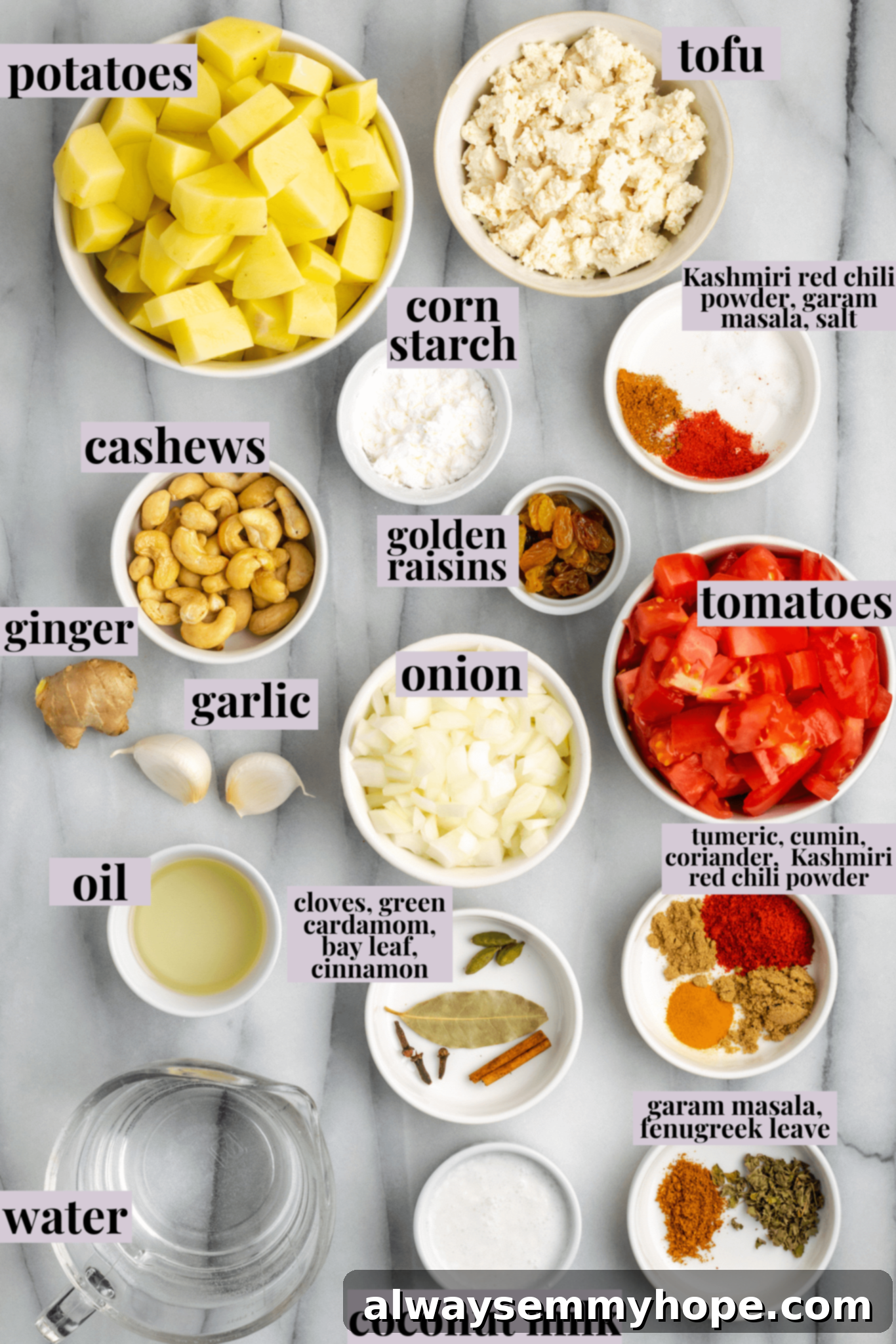
Notes on Key Ingredients for Perfect Vegan Malai Kofta
The success of this vegan malai kofta recipe hinges on selecting the right ingredients. Below, we delve into some of the crucial components and offer insights to help you achieve the best possible results. For exact quantities and step-by-step instructions, please refer to the detailed recipe card at the end of this guide.
- Raw Cashews: These are indispensable for achieving the signature creamy texture of the sauce and for adding richness to the dumpling filling. Make sure to use raw, unsalted cashews, as roasted or salted varieties will alter the flavor profile of your dish. Soaking them is a vital step to ensure they blend into a silken, smooth consistency.
- Potatoes: Russet, red, or Yukon Gold potatoes all work beautifully. The key is to cook them until they are just tender enough to be easily pierced with a fork, but not overly mushy. Overcooked potatoes will absorb too much water, making the dumpling mixture sticky and difficult to form.
- Extra-Firm Tofu: This is our star paneer substitute. Extra-firm tofu, pressed well, provides a wonderfully firm yet crumbly texture that mimics paneer. Its mild flavor also allows the other spices to shine. For more tips on preparing tofu, check out our guide: How To Cook Tofu 101 + Best Tips on Making the Most Delicious Tofu.
- Cornstarch: A crucial binding agent for our dumplings. It helps them hold their shape during frying and contributes to a delightful exterior crispness.
- Kashmiri Red Chili Powder: This special chili powder is a cornerstone of Indian cuisine, prized for its vibrant red color and mild heat. It adds depth and a beautiful hue without overwhelming spiciness.
- Garam Masala: A fragrant blend of ground spices, garam masala infuses our kofta and sauce with warmth and complex aromas.
- Salt: Essential for seasoning both the dumplings and the sauce, balancing all the vibrant flavors.
- Golden Raisins: These add a subtle, sweet counterpoint to the savory spices in the dumpling filling, creating a harmonious flavor balance that’s characteristic of malai kofta. Finely chopping them ensures they distribute evenly.
- Onion: Yellow or white onions are best for their sweetness and ability to create a robust base for the sauce.
- Fresh Ginger & Garlic: Aromatic powerhouses that form the flavor foundation of the sauce. Freshly grated ginger and minced garlic offer the most potent and authentic taste.
- Tomatoes: Ripe, juicy tomatoes are key for the sauce’s tangy base. Fresh tomatoes will yield the best flavor, but quality canned diced tomatoes can be used in a pinch.
- Oil: Any neutral cooking oil you prefer or have on hand will work for sautéing and frying.
- Whole Spices (Cloves, Green Cardamom, Cinnamon Stick, Bay Leaf): These whole spices are lightly toasted in oil to release their essential oils and deep, aromatic flavors, forming the soul of the curry sauce. Do not skip them, as they contribute significantly to the authenticity.
- Ground Spices (Turmeric, Cumin, Coriander): These provide further layers of classic Indian flavor to the sauce.
- Water: Used to help simmer and thin the sauce to the desired consistency.
- Fenugreek Leaves (Kasoori Methi): Crushed dried fenugreek leaves add a unique, slightly bitter, and aromatic depth that is quintessential to many North Indian curries.
- Full-Fat Coconut Milk: This is the secret to our rich, creamy, and dairy-free sauce. Opt for full-fat coconut milk (canned) for maximum richness and a velvety texture, as light coconut milk will not provide the same luxurious mouthfeel.
- Cilantro: Freshly chopped cilantro is used as a garnish, adding a burst of freshness and color that brightens the entire dish.
Is Kashmiri Chili Powder the Same as Regular Chili Powder?
No, Kashmiri chili powder is distinctly different from regular chili powder. Kashmiri chili powder is known for its vibrant red color and mild heat, used primarily in Indian cuisine to impart color and a subtle warmth without intense spice. In contrast, “regular” chili powder (often found in Western supermarkets) is typically a blend of various chilies, cumin, oregano, and sometimes other spices, designed for a more Tex-Mex flavor profile. It usually carries more heat and a smoky undertone. These two are not interchangeable in Indian cooking, so for an authentic vegan malai kofta, ensure you use Kashmiri red chili powder.
How to Make Vegan Malai Kofta: A Detailed Step-by-Step Guide
While this recipe might not be a quick weeknight whip-up, the incredible depth of flavor and satisfying textures make the effort truly worthwhile. Patience and attention to detail are key to mastering this restaurant-quality dish at home.

Preparing the Vegan Malai Kofta Dumplings:
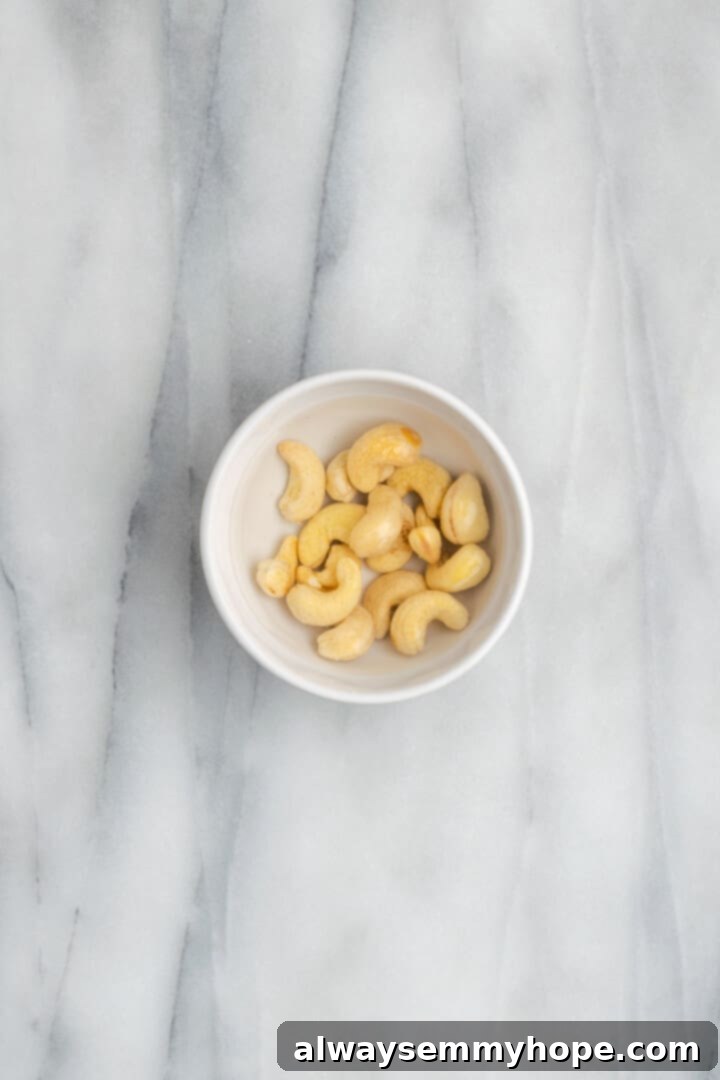
- Soak the cashews: Begin by placing 15 raw cashews in a small bowl. Cover them completely with water and let them soak for a minimum of 30 minutes. This step is essential for achieving a smooth, creamy sauce later.
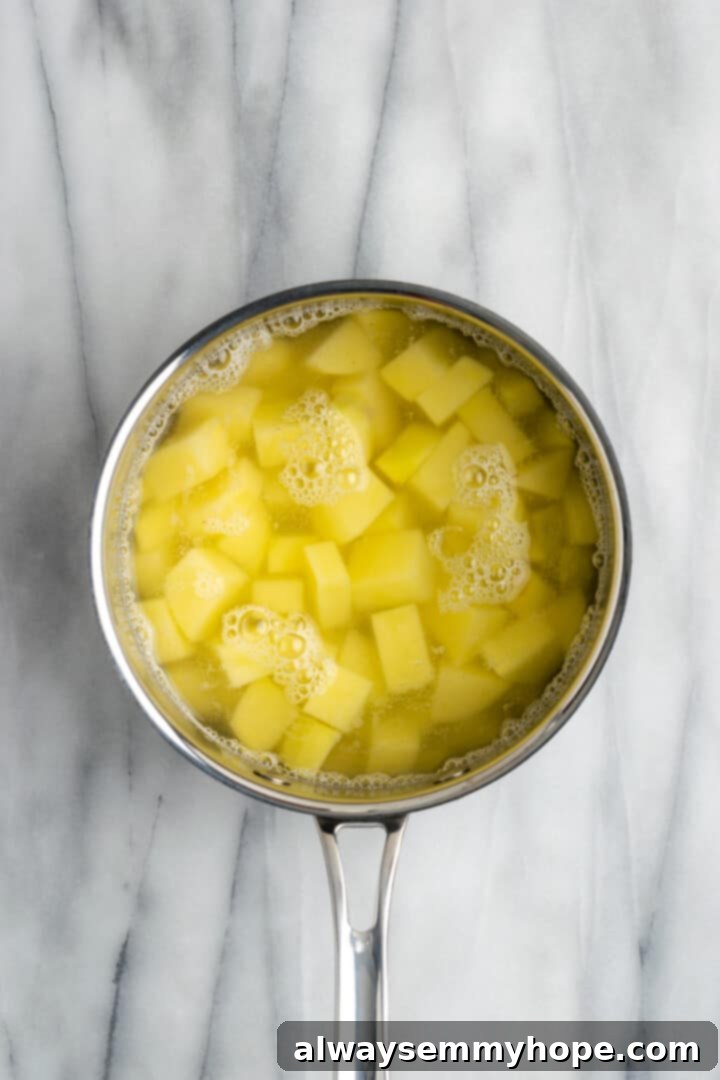
- Cook the potatoes: Place your peeled and cubed potatoes into a medium-sized pot and cover them with cold water. Bring the water to a boil and cook for approximately 15 minutes, or until the potatoes are just tender enough to be easily pierced with a fork. Be careful not to overcook them, as excessively mushy potatoes will make forming the dumplings difficult. Once cooked, drain the water and allow the potatoes to cool for 10 minutes.
- Prepare the cashew and raisin filling: While the potatoes are cooling, finely chop the remaining 12 raw cashews and the golden raisins. Combine these finely chopped ingredients in a small bowl, ready to be used as the delicious filling for your dumplings.
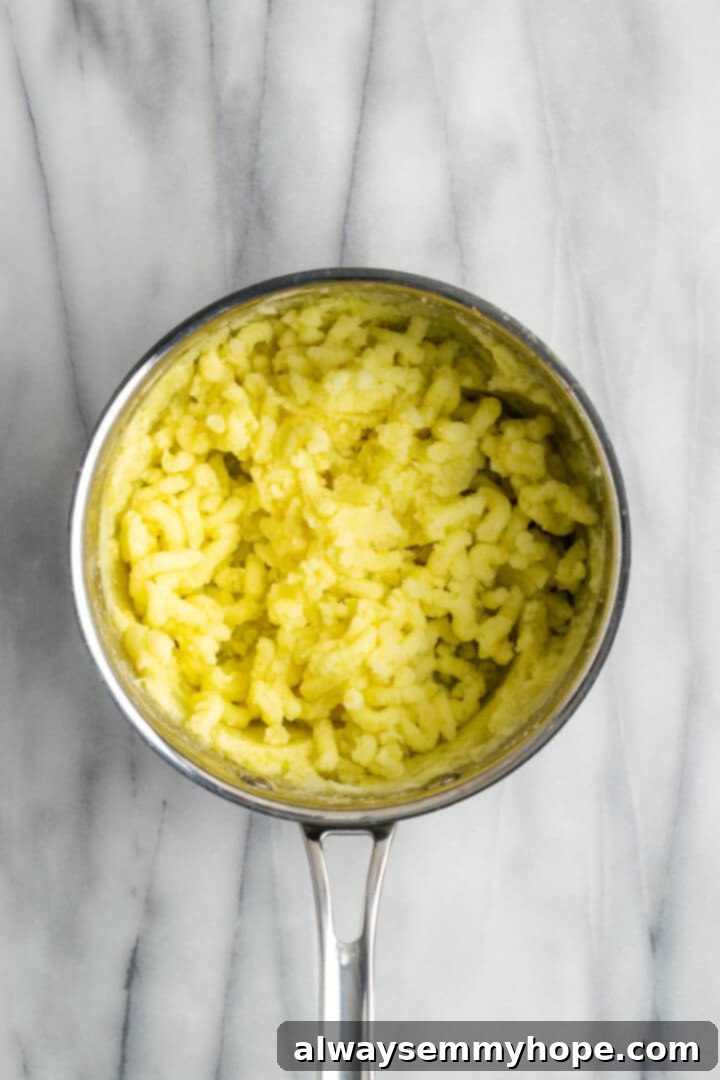
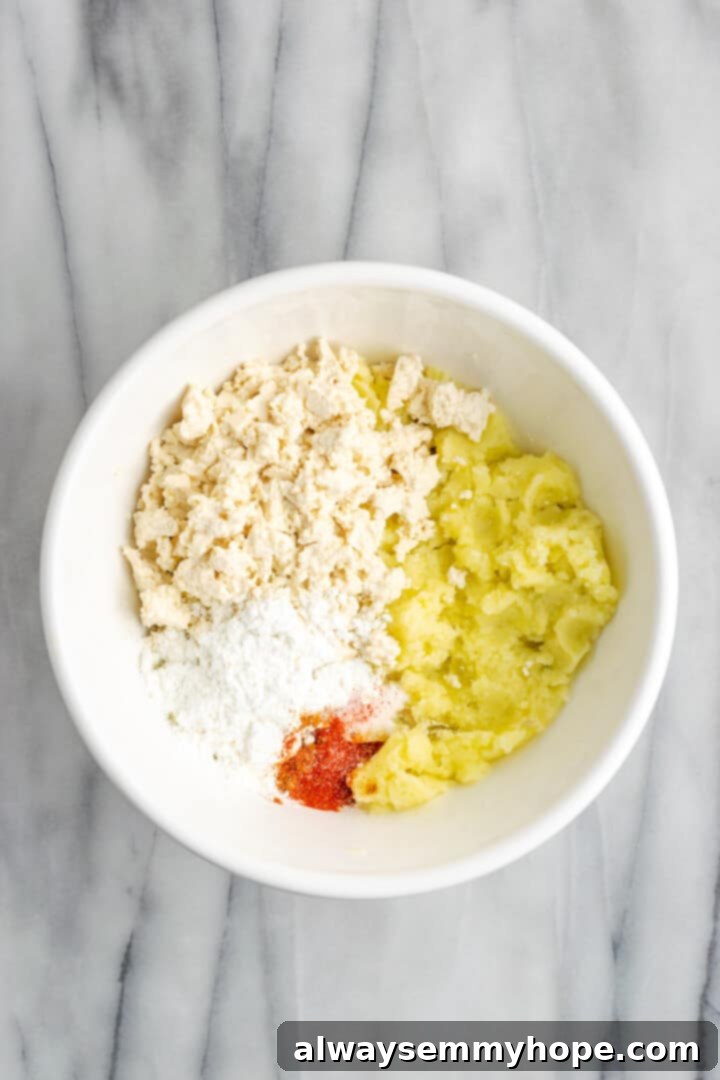
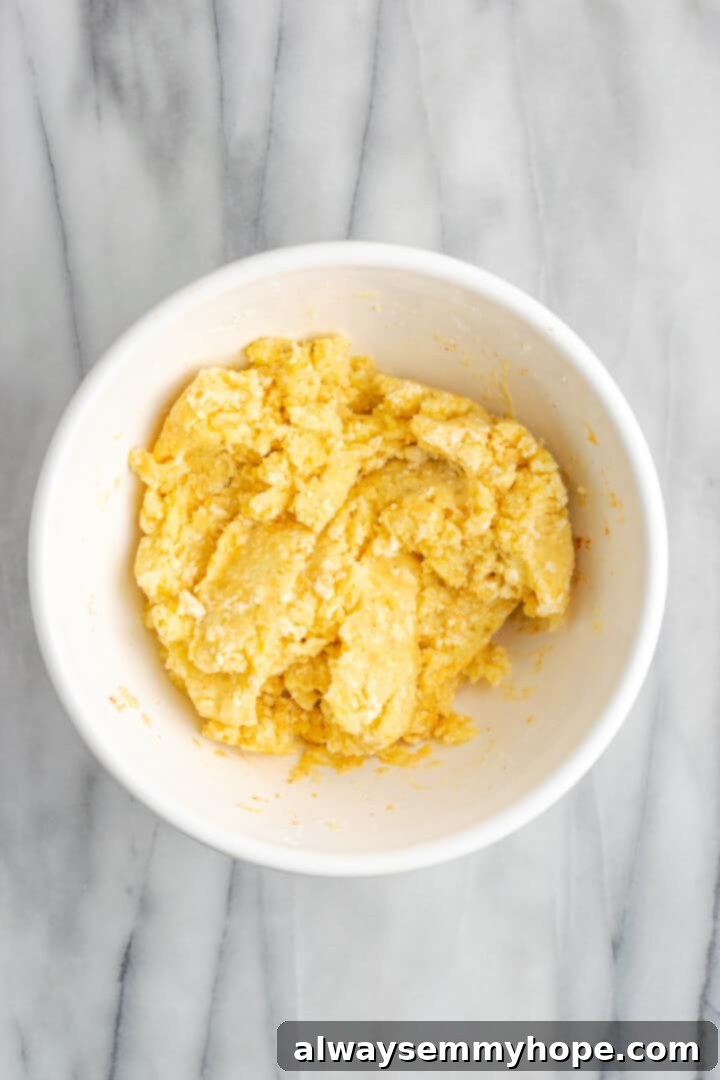
- Create the dumpling mixture: Using a potato ricer, mash the cooked and slightly cooled potatoes into a large mixing bowl. Add the crumbled extra-firm tofu, cornstarch, ¼ teaspoon of Kashmiri red chili powder, ¼ teaspoon of garam masala, and ½ teaspoon of salt. Mix all these ingredients thoroughly until well combined, forming a cohesive dough-like mixture.
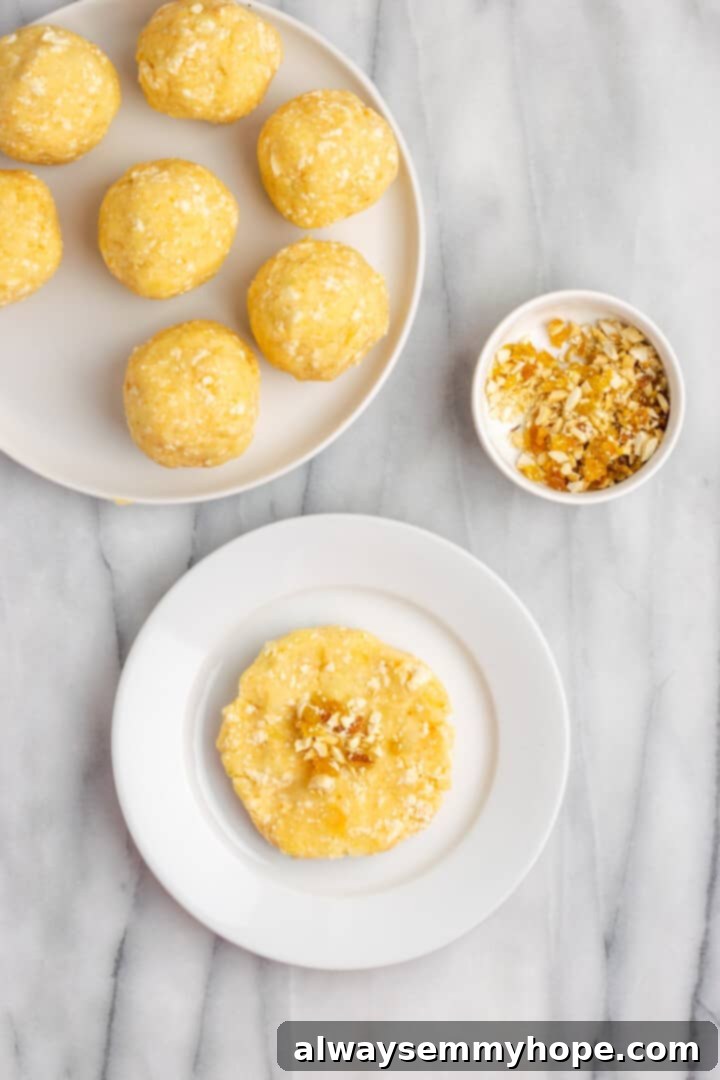
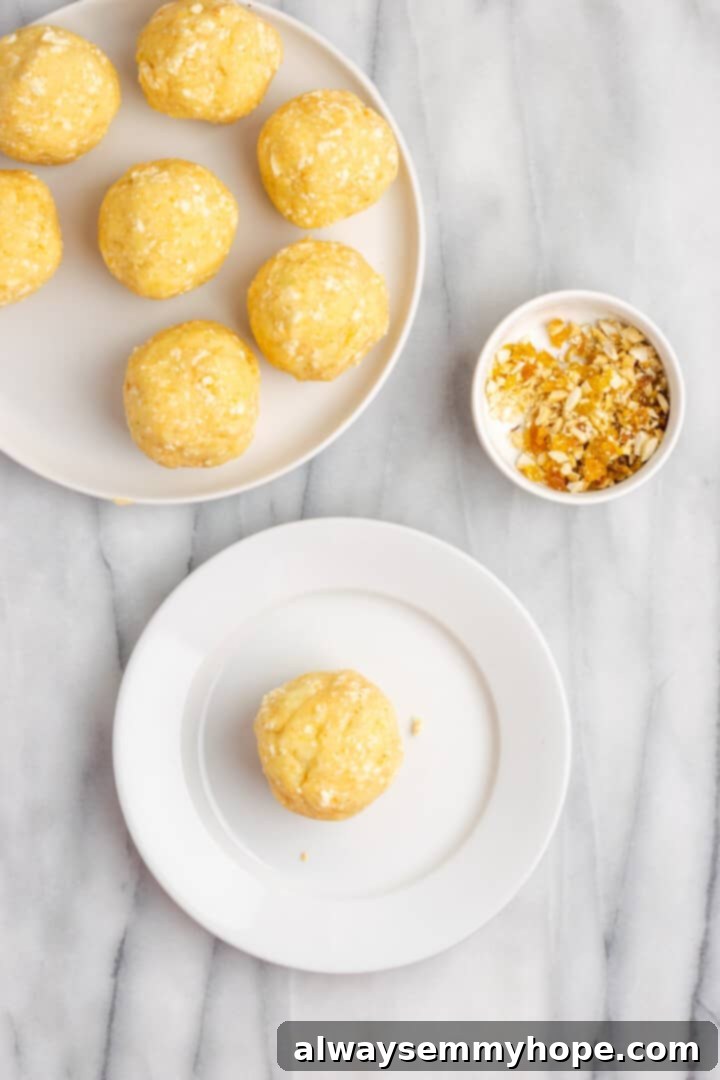
- Form and chill the dumplings: Divide the potato and tofu mixture into 8 equal portions, then gently roll each portion into a ball. Flatten each ball into a thick patty. Place about 1½ teaspoons of the cashew-raisin mixture into the center of each patty. Carefully fold the potato mixture around the filling, sealing it completely to form a smooth ball. Arrange the formed dumplings on a plate and refrigerate them for 30 minutes. Chilling is crucial as it helps the dumplings firm up, preventing them from falling apart during frying.

Crafting the Rich and Creamy Malai Kofta Sauce:
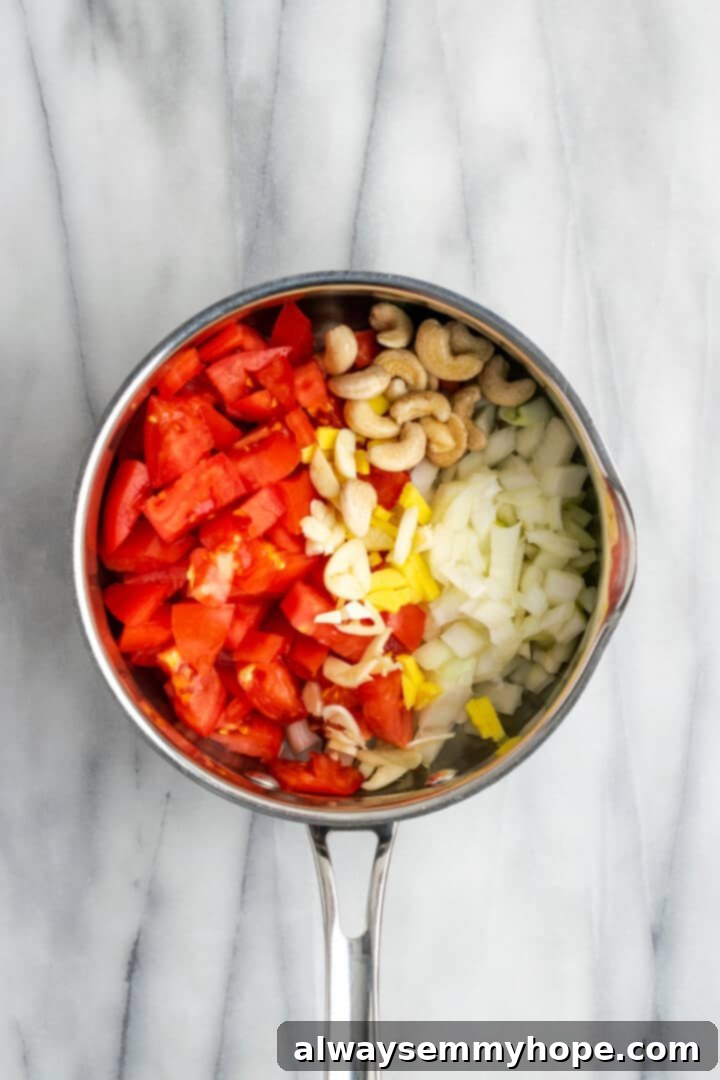
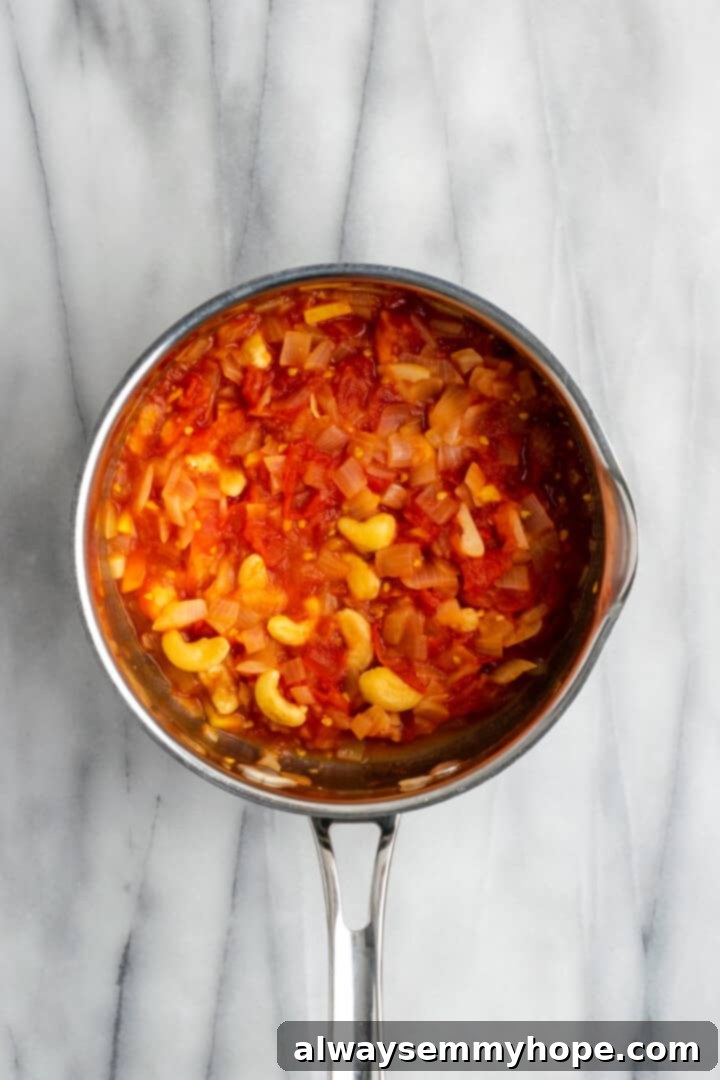
- Begin the sauce base: Drain the water from the soaked cashews. In a medium pot, combine the chopped onion, sliced fresh ginger, sliced garlic, chunky tomatoes, and the drained soaked cashews. Place the pot over medium heat, bring the mixture to a gentle simmer, and cook for about 15 minutes, stirring occasionally. This process softens the vegetables and cashews, making them easier to blend into a smooth sauce.
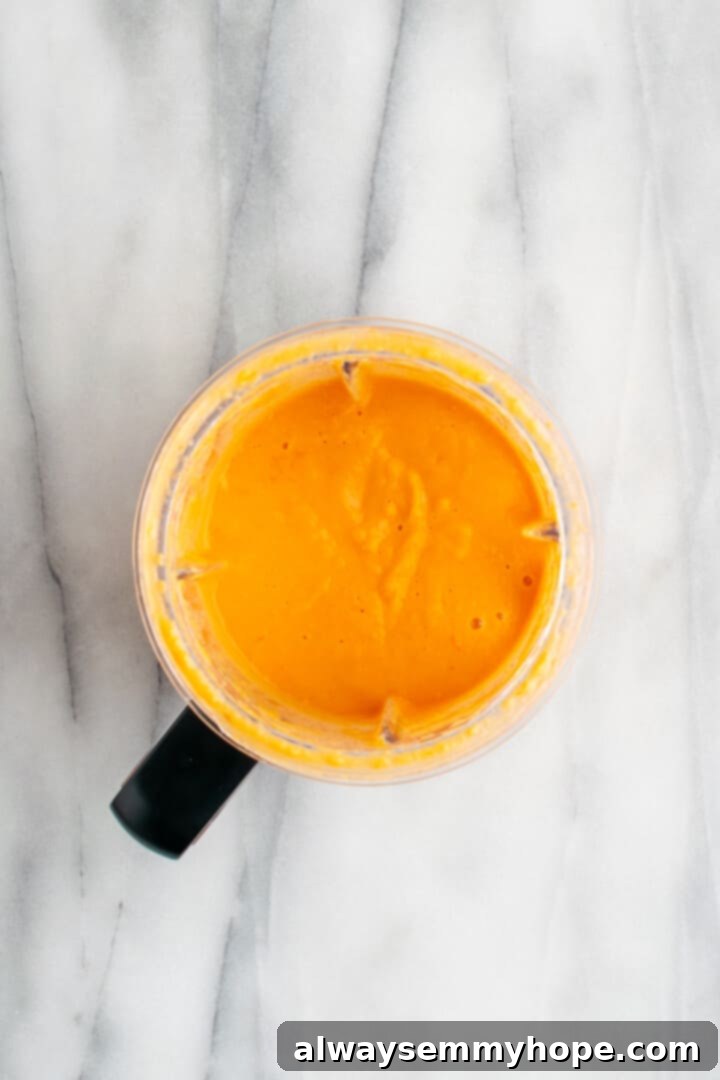
- Puree the tomato mixture: Remove the pot from the heat and allow the mixture to cool slightly. Carefully transfer the cooked tomato mixture into a blender or food processor. Blend until the mixture is completely smooth and free of any large chunks. Set this puree aside.
- Bloom the whole spices: In a separate, clean pot or a deep skillet, add the oil. Heat it over medium heat. Once the oil is warm, add the whole cloves, green cardamom pods, cinnamon stick, and bay leaf. Sauté these whole spices for approximately 1 minute, or until they become fragrant. This step, known as tempering, helps to release their maximum flavor and aroma into the oil.
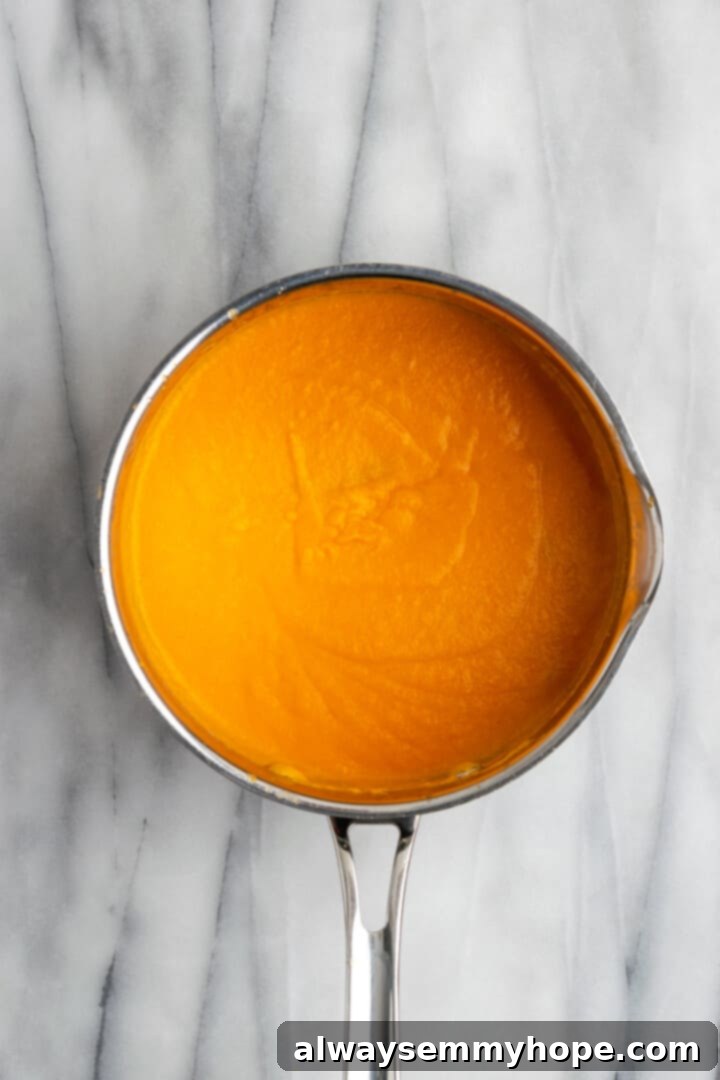
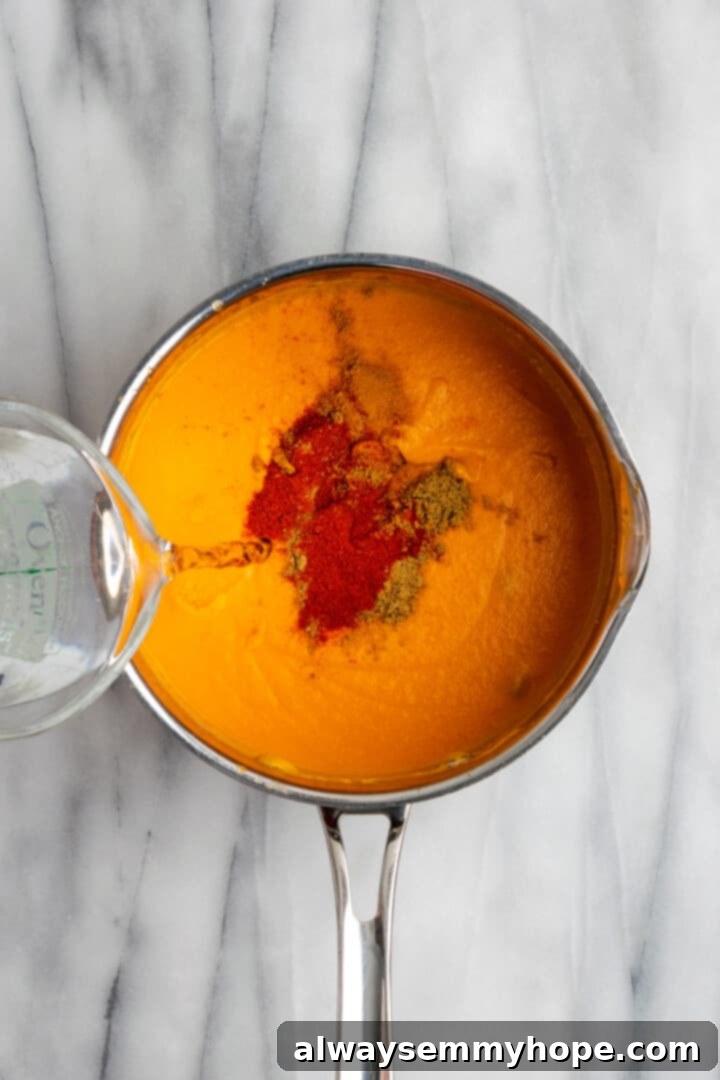
- Simmer the main sauce: Carefully pour the pureed tomato mixture into the hot, spiced oil. Be cautious, as the mixture may splatter. Stir well to combine. Reduce the heat to medium-low, cover the pot, and let it simmer for 7 minutes, stirring periodically to prevent sticking. After this initial simmer, stir in ½ teaspoon of salt, turmeric, cumin, Kashmiri red chili powder, coriander, and 1 cup of water. Continue to simmer the sauce, uncovered, for another 5 minutes, or until it has thickened slightly to your desired consistency.
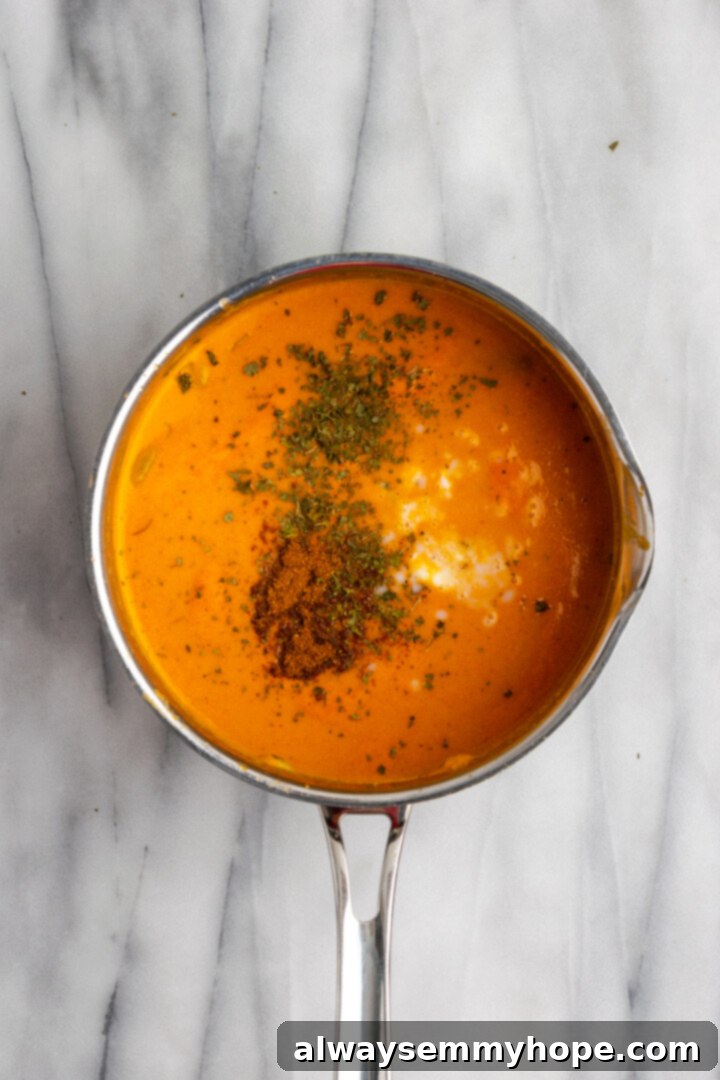
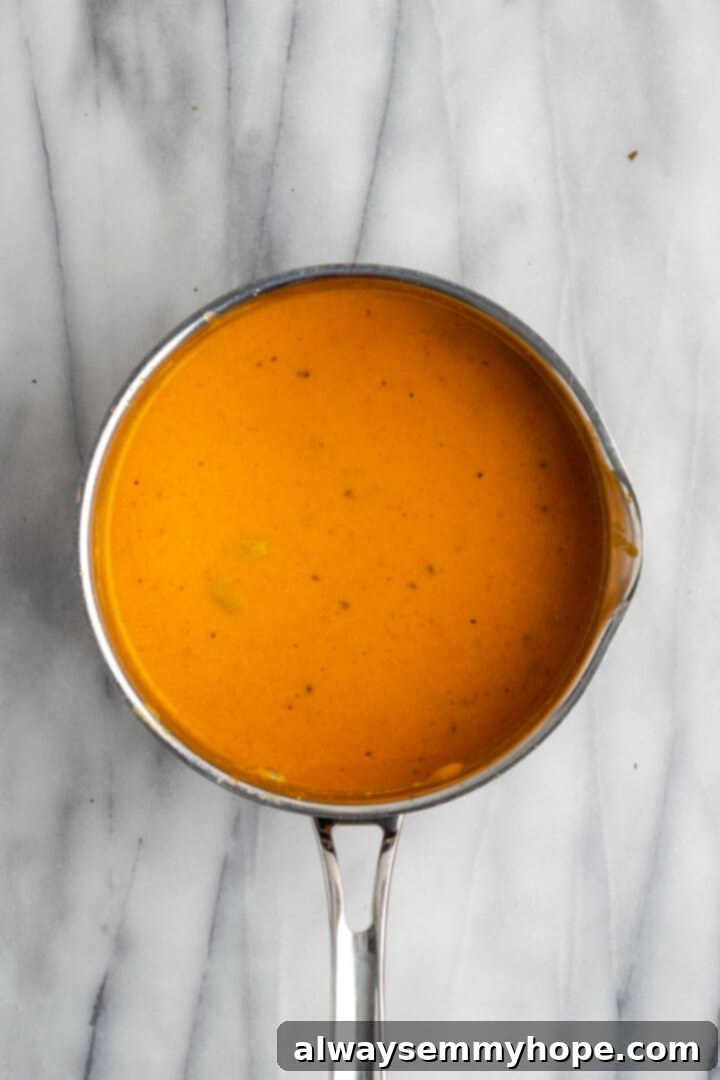
- Finish the sauce: Finally, stir in the remaining ¼ teaspoon of garam masala, the crushed fenugreek leaves (kasoori methi), and the full-fat coconut milk. Stir everything together until well incorporated. Cover the pot and remove it from the heat. Allow the flavors to meld while you prepare the dumplings.
Frying the Dumplings and Serving Your Vegan Malai Kofta:
- Heat the oil for frying: In a deep skillet or pot, add approximately 2 inches of neutral cooking oil. Heat the oil until it reaches 360°F (180°C). Using a kitchen thermometer is highly recommended for accuracy, as the correct oil temperature is vital for perfectly cooked dumplings.
- Fry the dumplings: Carefully place the chilled kofta dumplings into the hot oil, frying 2 to 3 at a time to avoid overcrowding the pan. Fry each batch for about 5 minutes, turning them gently every minute or so to ensure they cook evenly and achieve a beautiful golden-brown color on all sides. Once golden and cooked through, use a slotted spoon to transfer the fried kofta to a wire rack lined with paper towels to drain any excess oil.
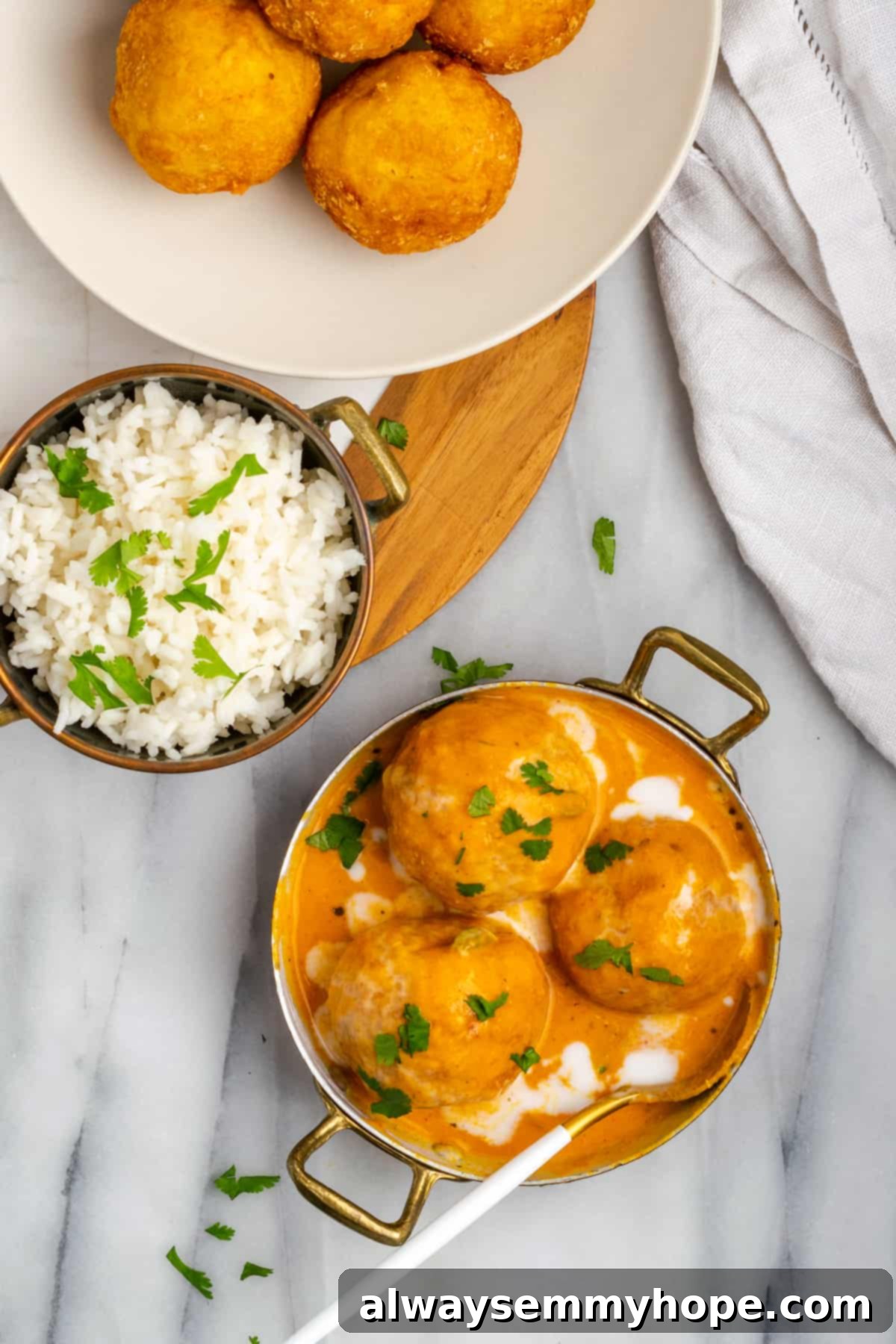
- Serve: To serve, pour the rich, creamy malai kofta sauce into a serving dish. Gently arrange the golden-brown kofta dumplings within the sauce. For an extra touch of decadence and visual appeal, drizzle a little additional full-fat coconut milk over the top and sprinkle generously with fresh, chopped cilantro. Serve immediately and enjoy!
Tips for Success: Achieving Perfect Vegan Malai Kofta Every Time
Making delicious vegan malai kofta involves a few key techniques. Follow these tips to ensure your dish turns out perfectly balanced, flavorful, and with ideal textures:
- Proper Cashew Soaking is Non-Negotiable: Don’t skip or rush the cashew soaking step! Soaking raw cashews for at least 30 minutes (or even longer, up to several hours) softens them significantly. This allows them to blend into an incredibly smooth, velvety paste, which is essential for creating a truly creamy and luxurious sauce without any grittiness.
- Mind the Potatoes – Don’t Overcook Them: When boiling your potatoes for the dumplings, be vigilant. Cook them just until they are easily pierced with a fork, meaning they are tender but still hold their shape. If the potatoes become too mushy or waterlogged, your dumpling mixture will be difficult to handle, sticky, and prone to breaking apart during frying. A perfectly cooked potato will lead to a perfectly formed dumpling.
- Precision with Oil Temperature is Key: Frying the kofta requires the right oil temperature. We strongly recommend using a kitchen thermometer to ensure your oil reaches and maintains 360°F (180°C). If the oil is too cool, the dumplings will absorb excessive oil, resulting in a greasy and heavy texture. Conversely, if the oil is too hot, the kofta will brown too quickly on the outside, leaving the interior undercooked. The ideal temperature ensures a crisp, golden exterior and a beautifully cooked, tender interior.
- Chill Your Dumplings: The 30-minute chilling period for the formed kofta dumplings is not optional. This step helps the potato and tofu mixture to firm up, making the dumplings more stable and less likely to disintegrate when they hit the hot oil. Chilled dumplings will maintain their shape better and fry more evenly.
- Taste and Adjust the Sauce: As with any good curry, tasting and adjusting the seasoning of your sauce throughout the cooking process is vital. Before adding the coconut milk, taste the tomato base and adjust salt or spices as needed. Once the coconut milk is in, taste again to ensure a perfect balance of savory, sweet, and tangy notes.
- Don’t Overcrowd the Pan When Frying: When frying the kofta, work in batches of 2-3 dumplings at a time. Overcrowding the pan will drastically lower the oil temperature, leading to greasy, poorly cooked kofta. Give each dumpling enough space to cook evenly.

Serving Suggestions for Your Vegan Malai Kofta
Vegan malai kofta is a versatile and satisfying dish that pairs wonderfully with a variety of accompaniments, transforming it into a complete and unforgettable meal. Here are some of our favorite ways to serve this creamy Indian delight:
- Steamed Basmati Rice: The classic pairing. Fluffy, fragrant basmati rice is the perfect canvas for soaking up every drop of the rich, creamy sauce. Its delicate aroma complements the bold flavors of the curry beautifully.
- Vegan Naan Bread: Tear off warm pieces of homemade vegan naan (or indulge in garlic naan!) to scoop up the sauce and dumplings. The soft, chewy texture of naan is an ideal contrast to the tender kofta.
- Other Indian Breads: Consider serving with roti, chapati, or paratha for varied textures and flavors that enhance the Indian dining experience.
- Cauliflower Rice: For a lighter, lower-carb option that still provides a great base, cauliflower rice is an excellent choice. It absorbs the flavors of the sauce without adding too much richness.
- Quinoa: While not traditionally Indian, quinoa can be a wholesome and protein-packed alternative to rice, offering a slightly nutty flavor and satisfying texture.
- Side Salad: A simple, fresh green salad with a light vinaigrette can provide a refreshing contrast to the richness of the malai kofta, cutting through the creaminess and adding a vibrant crunch.
- Pickles and Chutneys: Traditional Indian pickles (achaar) or a sweet mango chutney can add an exciting burst of flavor and a tangy or spicy counterpoint to your meal.

How to Store Leftovers Effectively
To best preserve the delightful texture of your vegan malai kofta and ensure it tastes just as good the next day, it is highly recommended to store the kofta dumplings and the creamy sauce separately. Once cooled, place the fried kofta in an airtight container and the sauce in another separate airtight container. Both can be stored in the refrigerator for up to 3 days. When you’re ready to enjoy your leftovers, gently reheat the kofta separately (you can warm them in a dry pan for a few minutes or briefly microwave them until heated through), and warm the sauce gently on the stovetop or in the microwave. Combine the warm dumplings with the sauce just before serving to prevent the kofta from becoming too soft or mushy.
Can This Recipe Be Frozen for Later Enjoyment?
Yes, this vegan malai kofta recipe is suitable for freezing, allowing you to enjoy this delicious dish even on busy days. Similar to refrigeration, it is crucial to freeze the sauce and the dumplings separately to maintain their quality. Once both components have completely cooled, place the fried kofta dumplings in a single layer on a baking sheet and flash-freeze them until solid. Then, transfer the frozen dumplings to a freezer-safe bag or container. Store the creamy tomato sauce in a separate freezer-safe container. This method prevents the kofta from absorbing too much moisture from the sauce and becoming mushy during thawing. Both can be frozen for up to 2-3 months.
When you’re ready to enjoy, transfer the frozen kofta and sauce to the refrigerator to thaw overnight. Once thawed, reheat them following the instructions for fresh leftovers: warm the kofta gently until heated through, and then reheat the sauce on the stovetop or in the microwave. Combine just before serving for the best possible texture and flavor.
More Indian-Inspired Vegan Recipes to Explore
If you’ve loved this vegan malai kofta, you’ll be thrilled to discover more of our plant-based Indian-inspired creations. These recipes bring the rich, diverse flavors of India to your vegan kitchen:
- Vegan Coconut Curry Lentil Soup: A comforting and aromatic soup, rich with coconut and warming spices.
- Vegan Mulligatawny Soup: Our plant-based take on the classic hearty and spiced Anglo-Indian soup.
- Easy Lentil Soup (Vegan & Spiced): A simple yet incredibly flavorful lentil soup, perfect for any day of the week.
- Vegan Butter Chicken (With Tofu!): Experience the rich and tangy flavors of butter chicken, made completely vegan with tender tofu.

We hope you thoroughly enjoy creating and savoring this incredible vegan malai kofta recipe, friends! If you make this dish, we’d absolutely love to see your culinary masterpiece. Please snap a photo and share it on Instagram, tagging #jessicainthekitchen! Your feedback means the world to us, so please feel free to leave a comment below and give the recipe a rating. Thank you so much for your support and happy cooking!
Vegan Malai Kofta Recipe
This malai kofta recipe pairs spiced potato dumplings with a rich, creamy tomato sauce for a delicious vegan Indian dinner.
Quick Details:
- Servings: 4 servings
- Prep Time: 10 mins
- Cook Time: 1 hr 30 mins
- Total Time: 1 hr 40 mins
Ingredients
- 27 Raw Cashews (43 grams, divided)
- 2 Potatoes (600 grams, cut into 1 inch cubes)
- 1 Cup Extra Firm Tofu (163 grams, crumbled)
- 3 Tablespoons Cornstarch (24 grams)
- 1 ¼ teaspoon Kashmiri Red Chili Powder (divided)
- ½ teaspoon Garam Masala (divided)
- 1 teaspoon Salt (divided)
- 1 Tablespoon Golden Raisins (10 grams, finely chopped)
- 1 Cup Onion (113 grams, chopped)
- 1 ½ teaspoon Fresh Ginger (15 grams, peeled and sliced)
- 2 cloves Garlic (sliced)
- 2 Tomatoes (300 grams, cut into chunks)
- 3 Tablespoons Oil
- 3 Cloves (whole)
- 2-3 Green Cardamom (whole)
- 1 inch Cinnamon Stick (whole)
- 1 Bay Leaf
- ¼ teaspoon Turmeric
- ¼ teaspoon Cumin
- 1 teaspoon Coriander
- 1 Cup Water
- ¼ teaspoon Garam Masala (additional for finishing)
- 1 teaspoon Fenugreek Leaves (crushed)
- ¼ cup Full Fat Coconut Milk (60 ml, plus more for drizzling)
- Cilantro for garnish (optional)
Instructions
- Place 15 raw cashews in a bowl with enough water to cover them. Allow them to soak for 30 minutes.
- Place the potatoes into a pot and cover with cold water. Bring to a boil and cook until just soft enough to pierce with a fork, about 15 minutes. Do not cook until mushy.
- Remove the potatoes from heat and set aside to cool for 10 minutes.
- While the potatoes are cooling, finely chop the remaining 12 cashews and the raisins and mix together in a small bowl.
- Use a potato ricer to mash the potatoes into a large bowl. Add the crumbled tofu, cornstarch, 1⁄4 teaspoon Kashmiri Red Chili Powder, 1⁄4 teaspoon Garam Masala and 1⁄2 teaspoon Salt. Mix well until thoroughly combined.
- Divide the potato mixture into 8 equal balls.
- Press each ball into a thick patty and place 1 1⁄2 teaspoon of the cashew-raisin mixture in the center. Form the potatoes into a ball around the filling, sealing completely.
- Place the formed balls on a plate and refrigerate for 30 minutes to firm up.
- While the kofta are chilling, prepare the curry sauce.
- Drain the water off of the soaking cashews.
- Add onion, ginger, garlic, tomatoes and the drained soaked cashews to a pot over medium heat.
- Bring to a simmer and cook for 15 minutes, stirring occasionally, until vegetables are softened.
- Remove from heat. Pour the tomato mixture into a blender and puree until smooth. Set aside.
- In a clean pot, add oil, whole cloves, cardamom, cinnamon stick and bay leaf. Sauté over medium heat for 1 minute until fragrant.
- Carefully pour the pureed tomato mixture into the hot oil. Be careful, as it may pop and splatter. Stir well.
- Reduce the heat to medium low. Cover the pot and simmer for 7 minutes, stirring occasionally.
- Add 1⁄2 teaspoon salt, turmeric, cumin, the remaining Kashmiri red chili powder, coriander and 1 cup of water to the tomato puree. Continue to simmer for 5 minutes, or until it thickens slightly.
- Stir in the remaining 1⁄4 teaspoon garam masala, crushed fenugreek leaves, and full-fat coconut milk.
- Cover the pot and remove from heat.
- Heat 2 inches of oil in a deep skillet to 360 degrees Fahrenheit (180°C).
- Fry the kofta 2-3 at a time for about 5 minutes each, or until golden brown. Turn them about every minute to achieve an even color.
- Remove the fried kofta to drain on a wire rack lined with paper towels.
- Pour the prepared curry sauce into a serving dish and gently place the kofta dumplings in the sauce. Drizzle with additional coconut milk and sprinkle with fresh chopped cilantro, if desired. Serve warm.
Notes
- To store: If you do not plan to eat all the kofta immediately, it is best to store the kofta and sauce separately. Place cooled kofta and sauce in separate airtight containers in the refrigerator for up to 3 days. Reheat them separately (kofta can be warmed in a dry pan or microwave) and combine just before serving.
- To freeze: Malai kofta can be frozen, but again, store the sauce and dumplings separately to maintain texture. Flash-freeze the cooked kofta on a baking sheet before transferring to a freezer bag. Freeze sauce in an airtight container. Thaw in the refrigerator overnight before reheating and combining as per storage instructions.
Nutrition Information
- Calories:
- 364kcal
- Carbohydrates:
- 40g
- Protein:
- 10g
- Fat:
- 20g
- Saturated Fat:
- 5g
- Polyunsaturated Fat:
- 3g
- Monounsaturated Fat:
- 10g
- Sodium:
- 640mg
- Potassium:
- 904mg
- Fiber:
- 5g
- Sugar:
- 8g
- Vitamin A:
- 521IU
- Vitamin C:
- 34mg
- Calcium:
- 70mg
- Iron:
- 3mg
Disclaimer: Nutritional information is an estimate. Product brands and preparation methods may affect values. Consult a doctor for specific dietary regimens.
Recipe Details:
- Cuisine: Indian
- Course: Dinner
- Author: Jessica Hylton