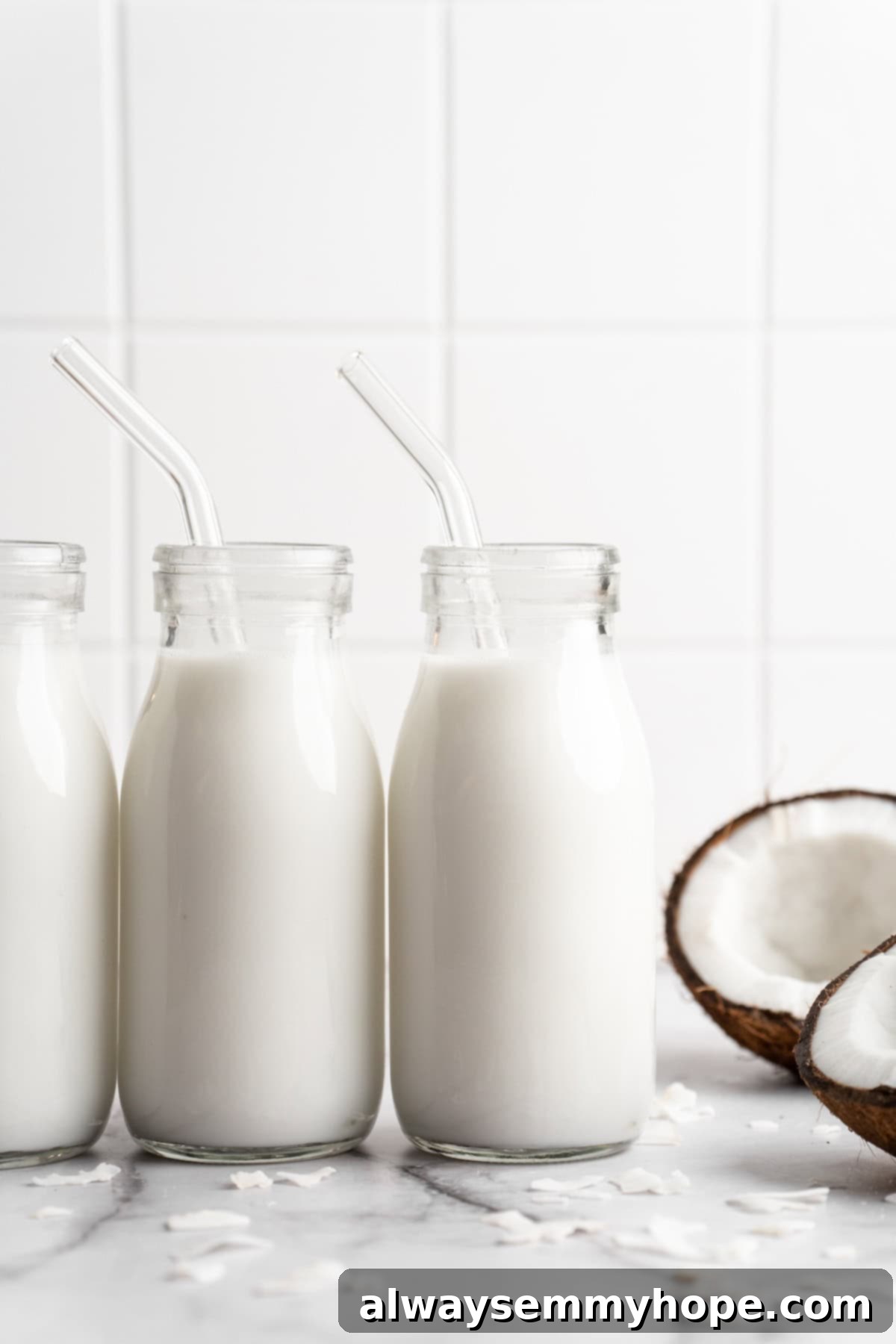
Homemade Coconut Milk: The Easiest 2-Ingredient Recipe for Creamy, Delicious Plant-Based Goodness
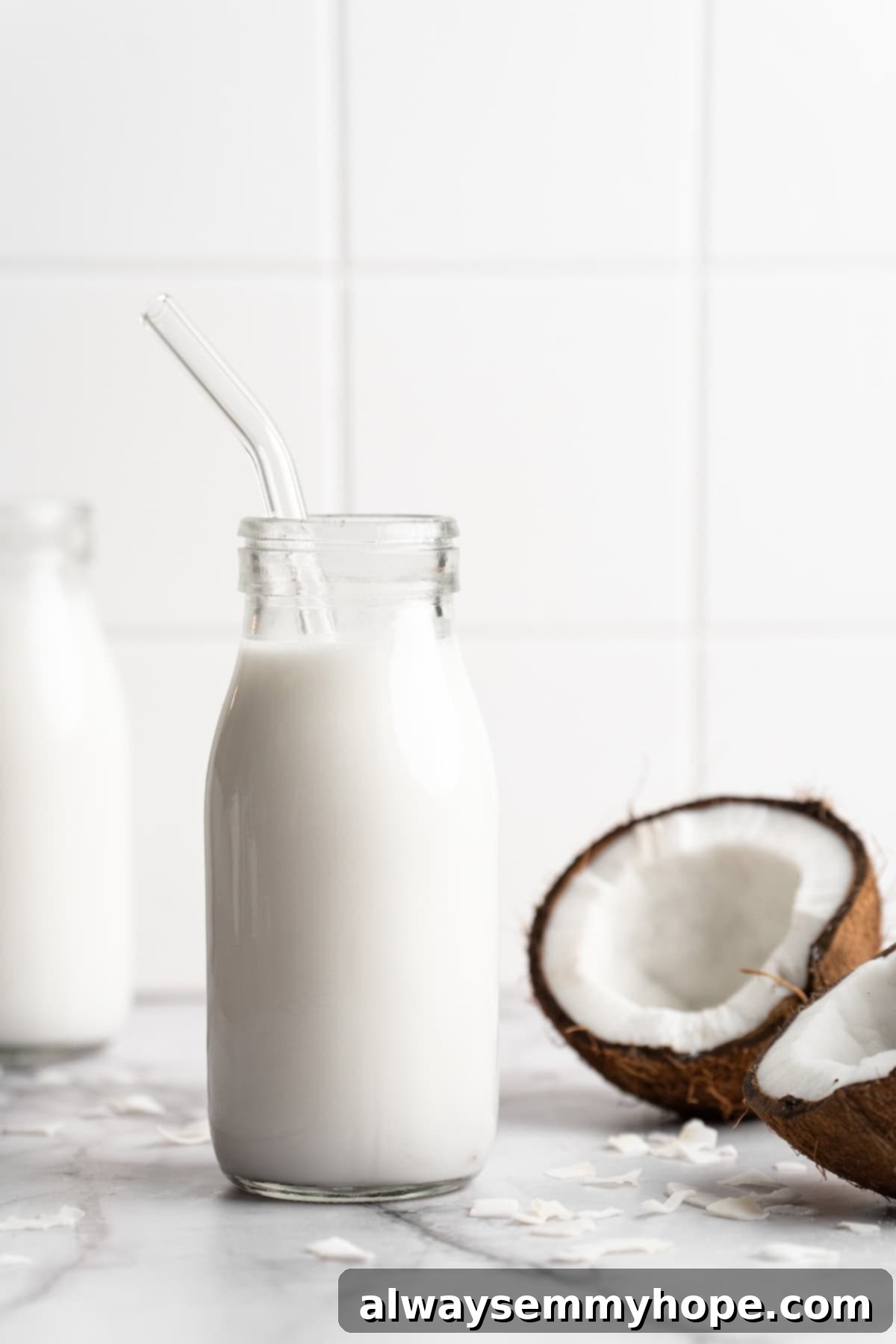
Are you ready to transform your kitchen routine and embrace the joy of making staples from scratch? Forget store-bought cartons! This homemade coconut milk recipe is not only incredibly easy and remarkably delicious, but it also requires just two simple ingredients. Yes, you read that right – only two! (And for a little spoiler, one of them is water!) Get ready to experience coconut milk like never before, perfectly tailored to your taste and absolutely free from unwanted additives.
In a world where social media influencers showcase the art of crafting everything from sprinkles to almond milk from scratch, it’s easy to get inspired to explore the simple satisfaction of DIY kitchen staples. Having ventured into creating my own homemade sprinkles and mastering creamy almond milk, I can attest to the rewarding experience of making what you typically buy. This passion brings me to share my recipe for luscious, flavorful homemade coconut milk! You don’t need to crack open a mountain of coconuts to achieve this – though that method is equally satisfying and delicious in its own right. This recipe focuses on simplicity and accessibility, bringing the taste of fresh coconut milk right to your home with minimal effort.
Why Making Your Own Coconut Milk is a Game Changer
Still wondering if making coconut milk at home is worth your time? Here’s why this simple recipe deserves a top spot on your kitchen to-do list:
- Achieve Your Perfect Creaminess. Canned full-fat coconut milk is fantastic for specific recipes that demand richness, but its intense creaminess isn’t always ideal for sipping or pouring over your morning cereal. Conversely, lite coconut milk often falls short, tasting thin and watery. The beauty of homemade coconut milk lies in its customizability. You have complete control over the consistency, allowing you to create that perfect, balanced creaminess that integrates seamlessly into virtually any dish or drink.
- Unbelievably Simple to Prepare. Seriously, the simplicity of this recipe is its greatest strength. With just two core ingredients – unsweetened coconut flakes and water – and a straightforward process, you’ll be amazed at how quickly you can whip up a fresh batch. It’s an effortless task that yields impressive results, making it ideal for even the busiest of schedules.
- Pure, Wholesome Goodness – No Additives. When you prepare your own coconut milk, you gain full transparency over what goes into your body. Store-bought versions, unfortunately, often contain a variety of additives, gums, and preservatives that can not only alter the natural flavor but also compromise the nutritional integrity of the milk. With this homemade recipe, you’re guaranteed a pure, clean, and healthy plant-based milk that tastes fresh every time.
Essential Ingredients for Your Homemade Coconut Milk
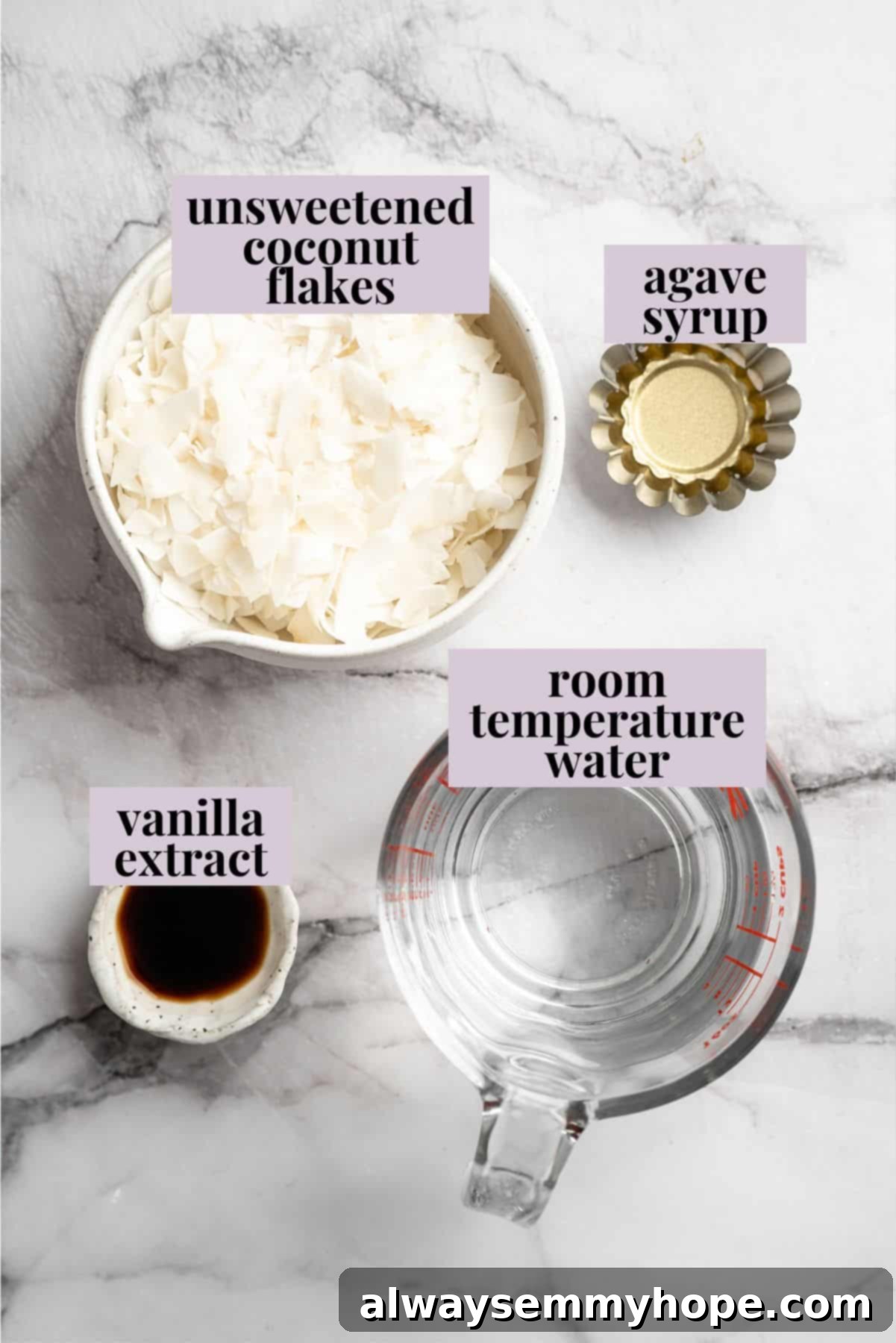
Crafting your own coconut milk requires minimal ingredients, ensuring a pure and natural end product. Below is a detailed look at what you’ll need. For precise quantities and step-by-step instructions, please refer to the comprehensive recipe card at the bottom of this article.
- Unsweetened Coconut Flakes: This is the star of our recipe. It is crucial to choose unsweetened coconut flakes. Many varieties found in stores are sweetened, which will significantly impact the flavor of your milk. Always check the label to ensure you’re getting pure, unsweetened flakes. These flakes, often labeled as shredded or desiccated coconut, provide the rich, natural coconut flavor and fat necessary for a creamy milk.
- Water: The second fundamental ingredient! For best results and to ensure optimal blending, use room temperature water. The quantity of water you add will directly influence the thickness and richness of your coconut milk. Feel free to adjust the amount to achieve your desired consistency – less water for a thicker, creamier milk, and more for a lighter, thinner version.
- Vanilla Extract (Optional): If you intend to use your homemade coconut milk for drinking, cereal, smoothies, or desserts, a touch of vanilla extract can elevate its flavor profile, adding a subtle warmth and sweetness.
- Sweetener (Optional): For those who prefer a touch of sweetness in their plant-based milk, you have several natural options. You can blend in a pitted Medjool date for a wholesome, caramel-like sweetness, or add a teaspoon or two of agave syrup or maple syrup. These options allow you to control the sweetness level to perfectly suit your palate.
Crafting Your Own Coconut Milk: A Simple Step-by-Step Guide
The full, detailed instructions for this incredibly easy coconut milk recipe are provided in the recipe card at the conclusion of this post. However, here’s a visual overview and simplified breakdown of the process, ensuring you can see just how straightforward it is to make your own creamy, delicious plant-based milk at home.
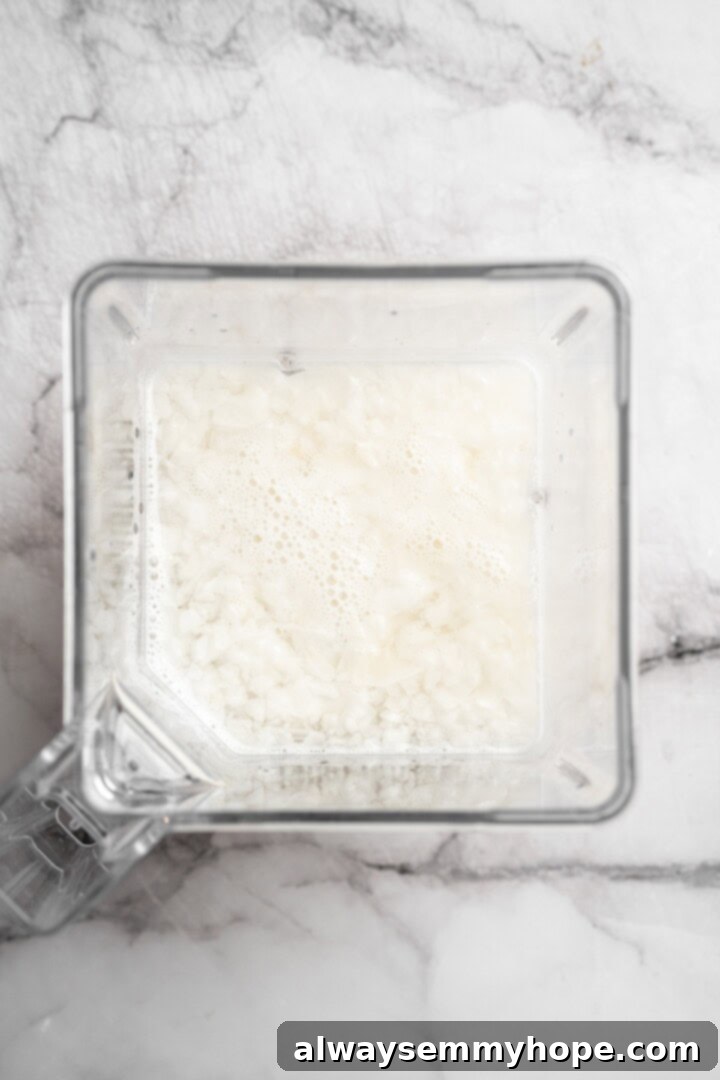
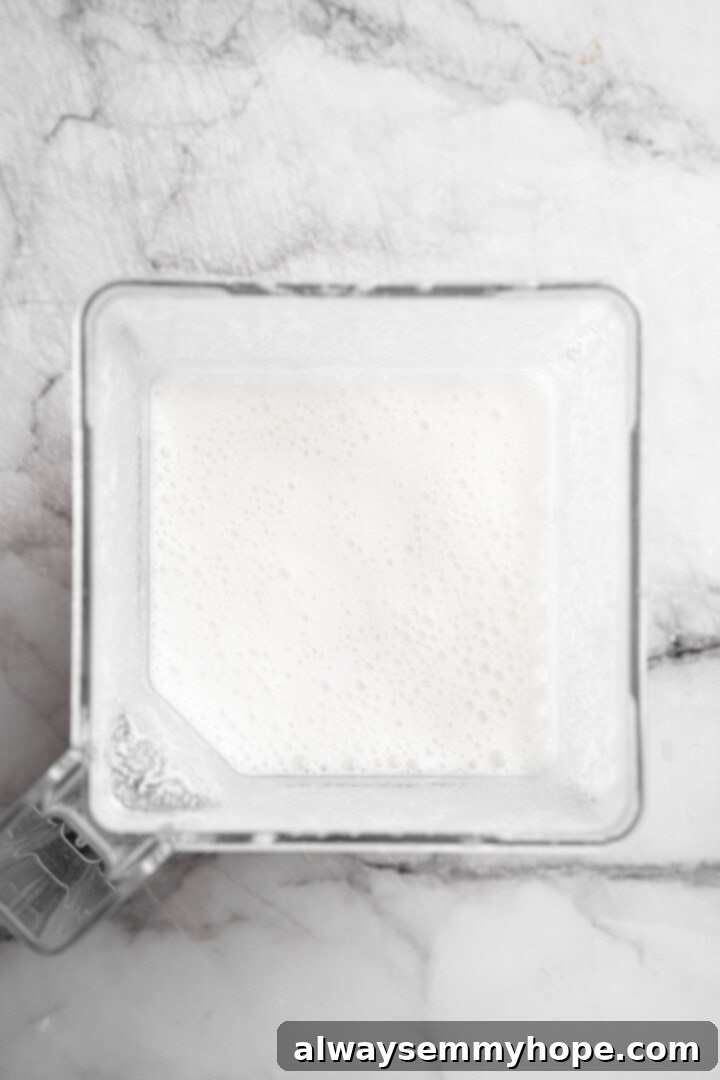
- Blend for Creaminess: Begin by adding your unsweetened coconut flakes and room temperature water to a powerful blender. Blend on high speed for approximately 2-3 minutes. The goal is to achieve a creamy, smooth, and well-combined mixture. If you are using an older or less powerful blender, you may need to extend the blending time to about 5 minutes, pausing occasionally to prevent overheating and ensure a smooth texture. If you choose to add a date for sweetness, this is the perfect time to incorporate it into the blender along with the coconut and water.
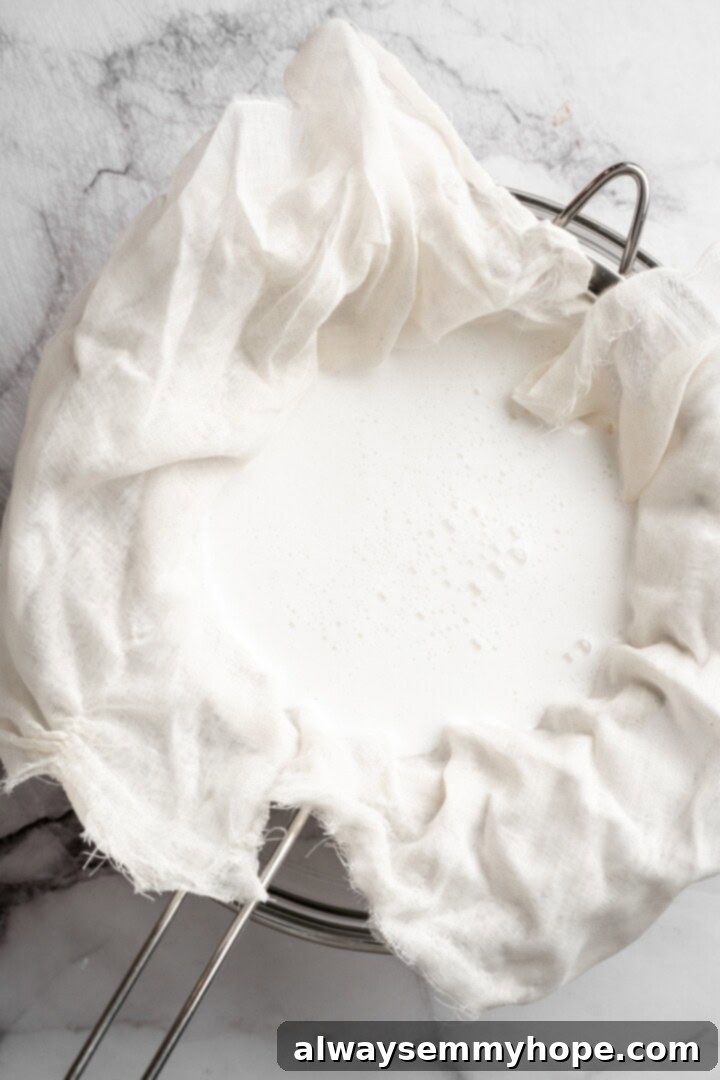
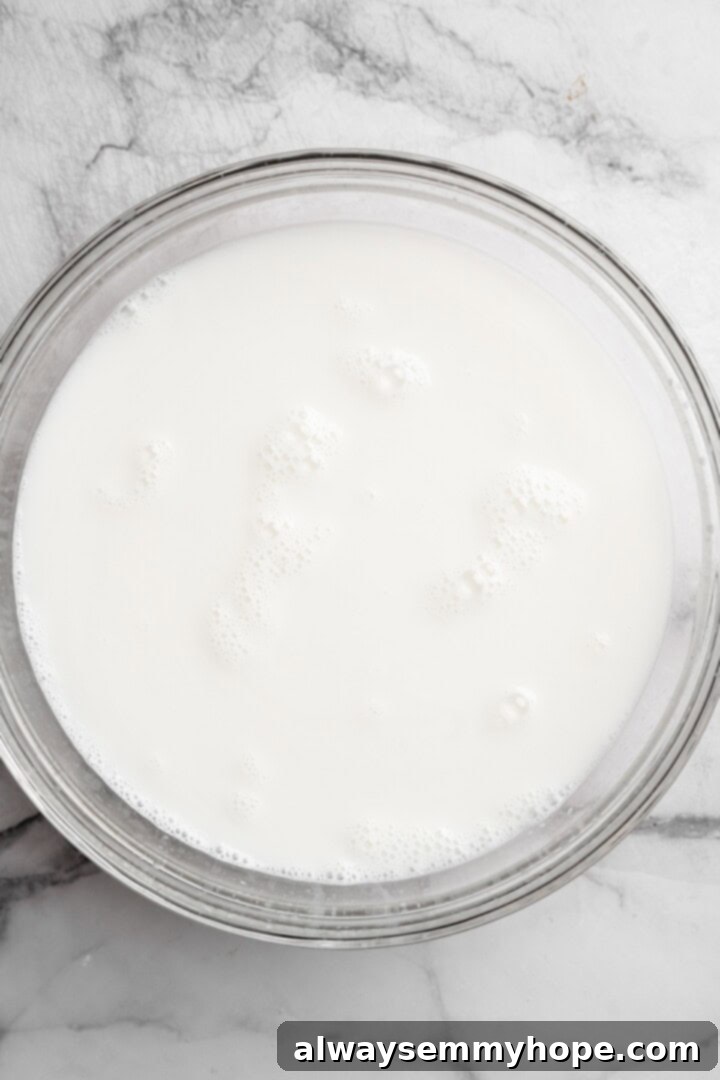
- Strain for Smoothness: Once blended, place a clean nut milk bag, a few layers of cheesecloth, or a very fine mesh strainer over a large bowl or a measuring cup. Carefully pour the blended coconut mixture through your chosen straining tool. Gently squeeze or press the pulp to extract as much liquid as possible, ensuring you get every last drop of that creamy coconut milk.
- Flavor to Your Liking (Optional): After straining, if you desire, now is the time to add your optional vanilla extract or agave syrup. Briefly blend again (or whisk well) to thoroughly incorporate these flavorings into your fresh coconut milk. Taste and adjust the sweetness to your personal preference.
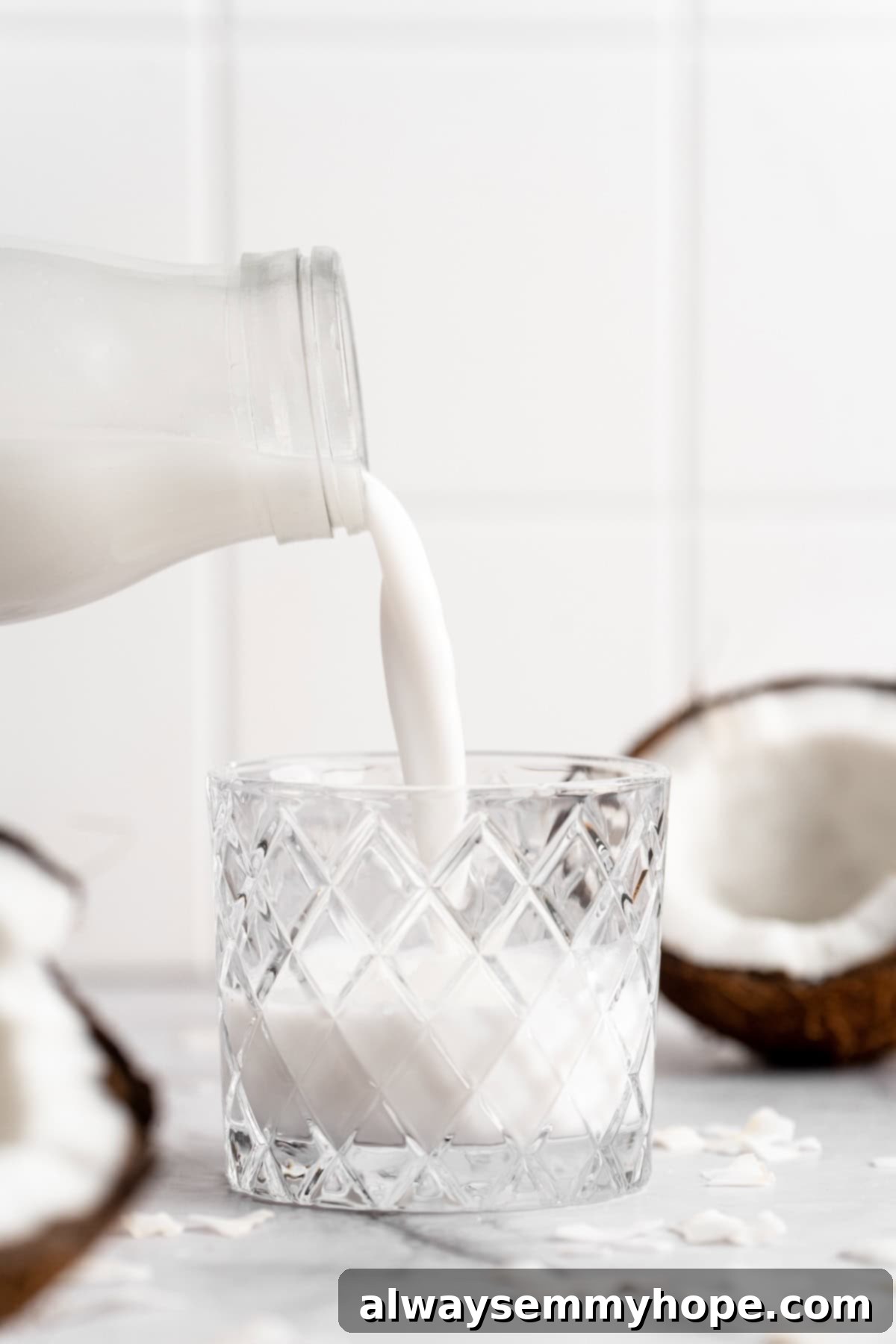
- Enjoy or Store: Your homemade coconut milk is now ready! You can enjoy it immediately in your favorite recipes, smoothies, or drinks. Alternatively, pour it into a clean glass jar or any other airtight container and refrigerate it for later use.
Tips for Perfect Homemade Coconut Milk Every Time
Achieving the best homemade coconut milk is simple, but a few key tips can elevate your results:
- Blend Thoroughly for Optimal Creaminess: The secret to truly creamy and smooth coconut milk lies in how well you blend the ingredients. Aim for at least 2-3 minutes on high speed in a powerful blender. If your blender isn’t high-speed, you might need to blend in longer intervals (up to 5 minutes total), taking short breaks to prevent the motor from overheating. Proper blending ensures maximum extraction of fats and flavors from the coconut flakes, leading to a richer milk.
- Customize Your Consistency with Water: The beauty of making your own coconut milk is the ability to control its thickness. If you prefer a thicker, richer milk for curries or desserts, use slightly less water. For a lighter, thinner milk ideal for cereals, coffee, or drinking, add a bit more water. Experiment with the water ratio until you find your perfect consistency.
- Get Creative with Flavorful Add-ins: Don’t be afraid to personalize your homemade coconut milk beyond vanilla and agave. Explore other natural sweeteners like rich date syrup or classic maple syrup. Spices can also add an exciting twist – a pinch of cinnamon, nutmeg, or even a tiny amount of cardamom can transform your milk for special beverages or dishes. Just remember to add these during the blending stage for full flavor integration.
Creative Ways to Use Leftover Coconut Pulp
After straining your homemade coconut milk, you’ll be left with a quantity of coconut pulp. Don’t let this valuable byproduct go to waste! Instead of discarding it, get creative and transform it into new culinary delights. Here are some fantastic ways to repurpose your leftover coconut pulp:
- Whip Up Homemade Coconut Butter. One of the most popular uses for leftover pulp is turning it into creamy coconut butter. Simply transfer the pulp to a high-speed blender or food processor and blend until it transforms into a smooth, spreadable butter. The natural oils will release, creating a delightful spread. Learn more about the process with this detailed guide: How to Make Coconut Butter.
- Toast for a Crunchy Topping. Spread the coconut pulp thinly and evenly on a baking sheet. Toast it in the oven at a low temperature (around 250°F or 120°C) until it’s lightly golden and crunchy. This toasted pulp makes an excellent, flavorful garnish for a variety of dishes. Try sprinkling it over Vegan Mango Ice Cream, adding texture to Strawberry Lime Coconut Smoothie Bowls, or even as a topping for granola or yogurt.
- Dry It to Make Coconut Flour. For a truly zero-waste approach, you can dehydrate the leftover pulp to create your own homemade coconut flour. Spread the pulp in a very thin, even layer on a baking sheet. Bake it at a very low temperature (around 200°F or 90°C) for several hours, stirring occasionally, until it is completely dry and brittle. Once fully dry, let it cool, then blend it in a high-speed blender or spice grinder until it forms a fine, powdery flour. Store in an airtight container for gluten-free baking.
Delightful Ways to Use Your Fresh Homemade Coconut Milk
The versatility of homemade coconut milk is truly remarkable. It seamlessly replaces store-bought coconut milk or any other plant-based milk in a wide array of recipes. Its fresh, clean flavor enhances both sweet and savory dishes, making it a valuable addition to your kitchen. Here are some of my favorite applications:
- Smoothies: Coconut milk creates an incredibly creamy base for any smoothie. It’s particularly divine in this refreshing Mango Coconut Smoothie, offering a tropical escape with every sip.
- Golden Milk Lattes: For a comforting and healthful beverage, use your homemade coconut milk to make a warming Pumpkin Spice Golden Milk or a classic Turmeric Latte. Its richness perfectly complements the spices.
- Breakfast Staples: Elevate your breakfast by pouring homemade coconut milk over your favorite cereal or granola. It’s also fantastic when stirred into creamy Instant Pot Steel-Cut Oats or overnight oats, adding a subtle sweetness and creaminess.
- Curries and Soups: While this recipe offers flexibility, you can adjust the water content to make a richer milk suitable for savory dishes like Thai curries, stews, or creamy vegan soups.
- Baking and Desserts: Substitute homemade coconut milk for dairy milk in cakes, muffins, puddings, or even homemade ice cream recipes for a delicate coconut flavor and creamy texture.
Storing Your Homemade Coconut Milk for Freshness
Proper storage is key to enjoying your delicious homemade coconut milk for as long as possible:
- Refrigerator Storage: Pour your freshly made coconut milk into a clean, airtight container, such as a glass bottle or jar. Store it in the refrigerator for optimal freshness. Homemade coconut milk typically lasts for about 4-5 days. It’s natural for the milk to separate into a thicker cream layer and a thinner water layer when refrigerated; simply give it a good shake before each use to recombine.
- Freezer Storage for Longer Life: For extended preservation, homemade coconut milk freezes beautifully. Transfer it to an airtight, freezer-safe container, leaving about an inch of space at the top to allow for expansion as it freezes. You can freeze coconut milk for up to 6 months. When you’re ready to use it, thaw it overnight in the refrigerator. Once thawed, give it a vigorous shake or stir to achieve a smooth, consistent texture before enjoying. You can also freeze it in ice cube trays for convenient portioning for smoothies or recipes.
Explore More Homemade Vegan Staples
Inspired to make more delicious vegan essentials from scratch? Check out these other popular homemade plant-based recipes:
- Creamy Vegan Butter (with a Nut-Free Option)
- Rich Vegan Heavy Cream Substitute
- How to Make Zesty Vegan Parmesan Cheese
- Homemade Vegan Mayo
- Flavorful Vegan Chicken Alternative
Enjoy the incredible taste and satisfaction of your freshly made homemade coconut milk, friends! If you try this easy recipe, please share your creation by snapping a photo and tagging #jessicainthekitchen on Instagram! We would absolutely love to see your delicious results. Your feedback is invaluable, so please also consider leaving a comment below and giving the recipe a rating. Thank you so much for being here!

Homemade Coconut Milk
3
servings
10 minutes
10 minutes
Pin Recipe
Leave a Review
Prevent your screen from going dark
Ingredients
-
2
cups
unsweetened coconut flakes,
120 grams
-
3
cups
room temperature water,
710 grams, (add up to 1 cup more for a thinner consistency)
Optional:
-
1
teaspoon
vanilla extract,
4.2 grams
-
1
date,
or 1–2 teaspoons agave syrup for sweetness
Instructions
- Add the unsweetened coconut flakes and 3 cups of room temperature water to a high-speed blender. Blend on high for 2-3 minutes until the mixture is completely creamy and well-combined. If you’re using a standard (non-high-speed) blender, you might need to blend for a longer duration, up to 5 minutes, pausing occasionally to prevent motor overheating. For a thinner consistency, you can add up to 1 cup more water and blend again briefly.
- Carefully place a nut milk bag, several layers of cheesecloth, or a very fine-mesh strainer over a large bowl or a liquid measuring cup. Pour the blended coconut mixture through the strainer to effectively separate the creamy coconut milk from the solid coconut pulp. Squeeze or press the pulp thoroughly to extract as much liquid as possible, ensuring you get maximum yield from your ingredients.
- If desired, add 1 teaspoon of vanilla extract and/or 1 date (pitted) or 1-2 teaspoons of agave syrup to the strained milk. Blend briefly (or whisk) to fully incorporate these optional flavorings. Taste and adjust the sweetness and flavor to your preference.
- Transfer your freshly made coconut milk to an airtight container or a glass jar for storage.
Notes
To store: Refrigerate your homemade coconut milk and use it within 4-5 days. Remember to shake well before each use, as some natural separation of cream and water is expected. For longer storage, freeze in an airtight container for up to 6 months.
Calories:
374
kcal
,
Carbohydrates:
13
g
,
Protein:
4
g
,
Fat:
37
g
,
Saturated Fat:
32
g
,
Polyunsaturated Fat:
0.4
g
,
Monounsaturated Fat:
2
g
,
Sodium:
33
mg
,
Potassium:
308
mg
,
Fiber:
9
g
,
Sugar:
4
g
,
Vitamin C:
1
mg
,
Calcium:
22
mg
,
Iron:
2
mg
Disclaimer: Although jessicainthekitchen.com attempts to provide accurate nutritional information, kindly note that these are only estimates. Nutritional information may be affected based on the product type, the brand that was purchased, and in other unforeseeable ways. Jessicainthekitchen.com will not be held liable for any loss or damage resulting for your reliance on nutritional information. If you need to follow a specific caloric regimen, please consult your doctor first.
American
Drinks & Beverages
Jessica Hylton