
Irresistibly Chewy Vegan Oatmeal Raisin Cookies: Your Ultimate Classic Recipe
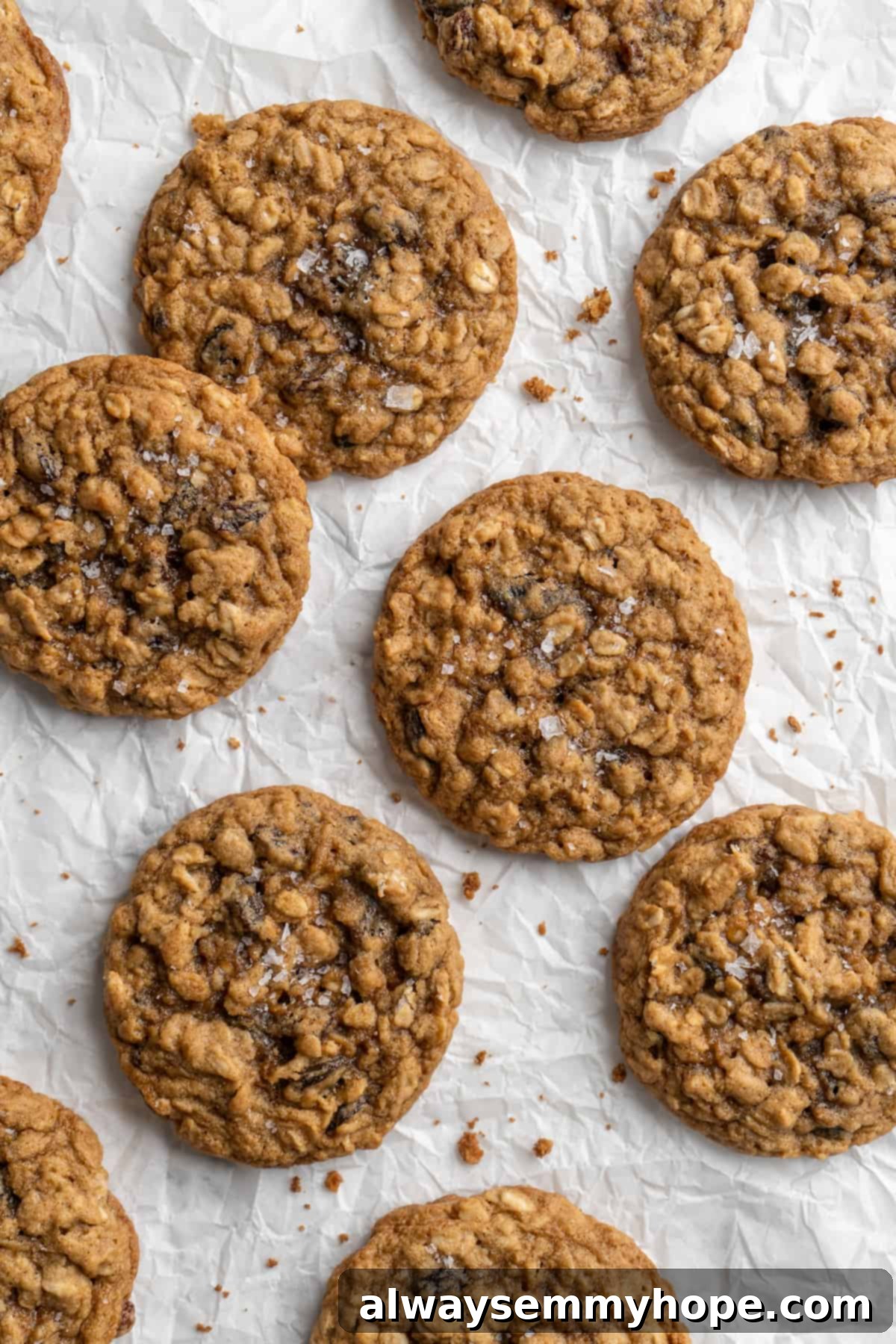
Imagine biting into a cookie that’s perfectly crispy around the edges, yet delightfully chewy and soft in the center. Now imagine that cookie is packed with hearty oats, warm cinnamon, and sweet, plump raisins. That’s exactly what you get with these incredible vegan oatmeal cookies – a timeless, old-fashioned favorite, reimagined for the modern plant-based kitchen!

While I adore experimenting with truly unique and innovative cookie recipes, there’s an undeniable charm and comfort in the classics. Recipes like vegan sugar cookies and vegan snickerdoodles remain eternally popular for good reason—they are tried-and-true staples that consistently deliver pure joy. These vegan oatmeal raisin cookies effortlessly join the ranks of those essential, beloved recipes that every baker needs in their repertoire. They bring all the nostalgic comfort of the traditional version, without any animal products.
Traditional oatmeal raisin cookies derive their signature richness, depth of flavor, and tender texture from dairy butter. Thankfully, the culinary landscape has evolved wonderfully, offering an abundance of high-quality vegan butter alternatives that perform beautifully in baking. Swapping out dairy for a plant-based option has never been easier or more effective, ensuring your vegan cookies lose nothing in terms of taste or texture.
Another crucial element in conventional oatmeal cookies is eggs, which primarily serve as a binding agent and contribute significantly to the overall chewiness and structure. To craft these delightful vegan oatmeal cookies, I’ve successfully substituted eggs with a simple yet effective mixture of ground flax seeds and water. This “flax egg” combination acts as a powerful binder, helping to hold the cookie dough together perfectly and lending a similar, desirable texture, all while keeping the recipe entirely plant-based and accessible.
Why You’ll Adore This Vegan Oatmeal Cookie Recipe
There are countless reasons why these vegan oatmeal raisin cookies are destined to become a firm favorite in your kitchen:
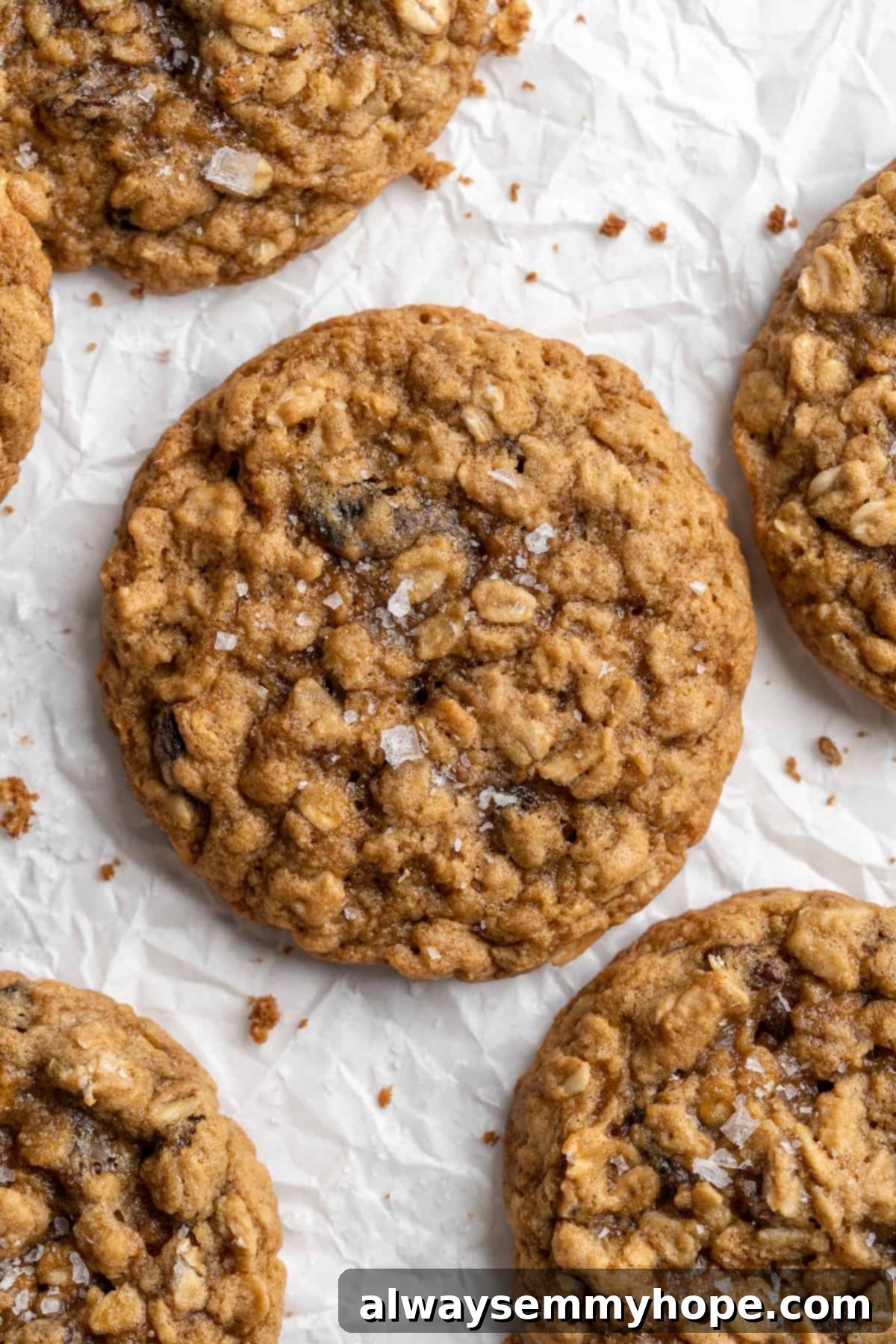
- The Ultimate Texture: Crispy Edges, Chewy Middle. This isn’t just a cookie; it’s a textural masterpiece! Each bite offers that satisfying crunch from the perfectly golden-brown edges, seamlessly transitioning into an incredibly soft, moist, and chewy center. It’s truly the best of both worlds, a hallmark of a truly great cookie. If you’re a fan of this dual-texture perfection, you’ll also fall in love with my White Chocolate Macadamia Nut Cookies!
- Wholesome Ingredients, Simple & Accessible. Forget obscure, hard-to-find components. This recipe relies on straightforward, pantry-friendly ingredients that you likely already have on hand. We’re talking about hearty rolled oats, staple flours, and common baking essentials, making these cookies not only delicious but also remarkably easy to whip up anytime a craving strikes.
- Every Bit as Delicious as the Original (and Perhaps Even Better!). Don’t let the “vegan” label fool you into thinking these are a compromise. This recipe has been meticulously developed to capture all the beloved flavors and textures of traditional oatmeal raisin cookies. You’ll find the same comforting warmth of cinnamon, the sweet chew of raisins, and that distinctive oat-filled goodness, proving that plant-based baking can be incredibly rich and satisfying without sacrificing a thing. This is a vegan cookie recipe that will impress even the most discerning palates!
- Effortlessly Easy to Make. You don’t need to be a seasoned baker to achieve cookie perfection with this recipe. The process is streamlined and uncomplicated, free from any complex techniques or specialized equipment. The dough comes together quickly and easily, making it an ideal choice for both novice bakers and those looking for a fuss-free dessert option.
Essential Notes on Ingredients
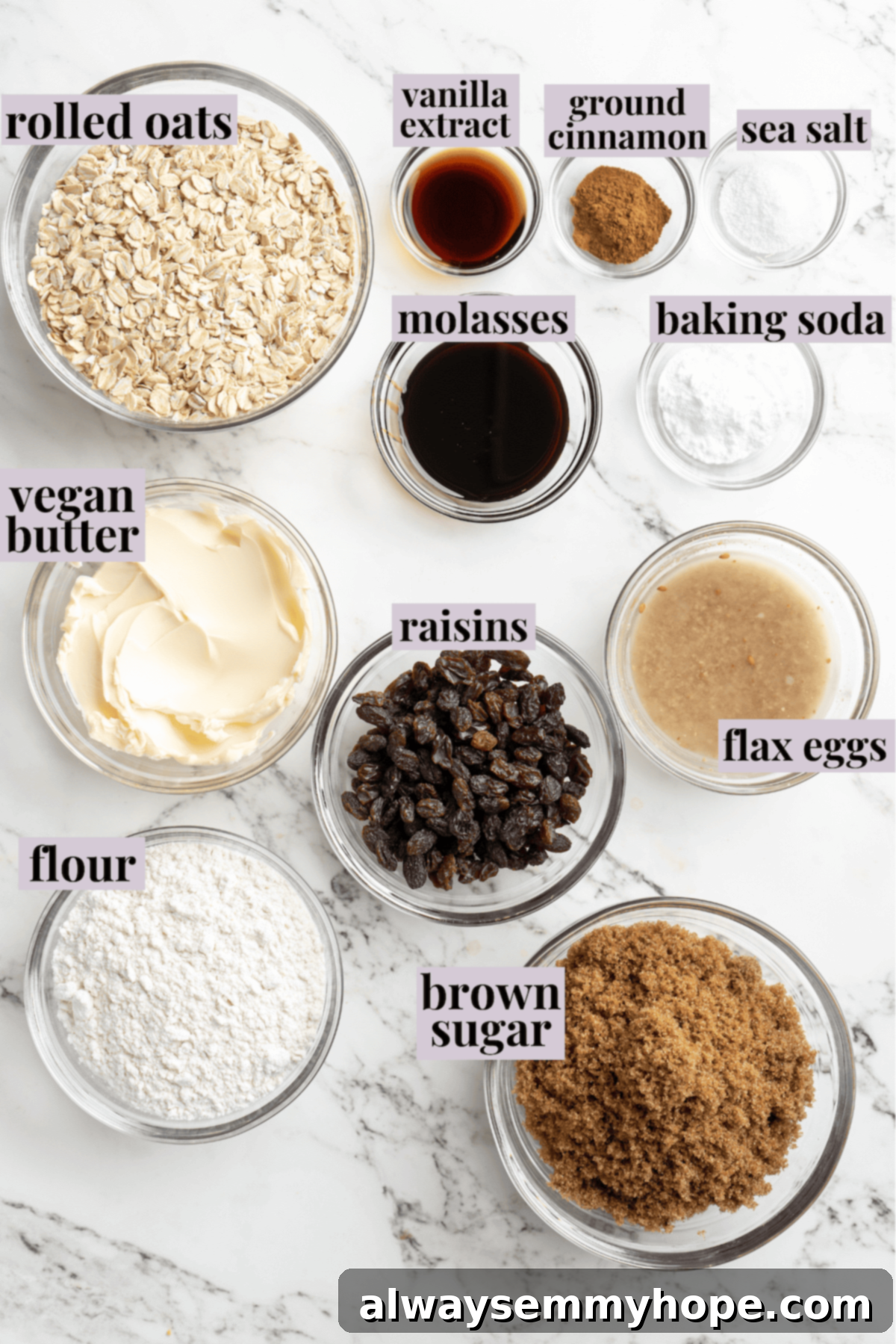
For precise ingredient quantities and detailed recipe instructions, please scroll down to the full recipe card below.
- Vegan Butter – This is your primary fat, contributing richness and helping to create that tender, chewy texture. Use a high-quality, stick-style vegan butter that performs well in baking. Both store-bought options (like Miyoko’s Kitchen or Earth Balance sticks) or even homemade vegan butter will work beautifully. Ensure it’s at room temperature for optimal creaming with the sugar.
- Brown Sugar – The molasses content in brown sugar is key for moisture, chewiness, and that distinct caramel-like flavor. You can use either light or dark brown sugar; dark brown sugar will impart a more pronounced, deeper molasses flavor, while light brown sugar offers a milder sweetness.
- Flax Eggs – Made by combining ground flax seeds with water, these act as a plant-based binder, replacing traditional eggs. The mixture thickens into a gelatinous consistency, essential for holding the dough together. After mixing, make sure to chill them for at least 15 minutes in the refrigerator to allow them to properly gel.
- Old-Fashioned Rolled Oats – Often simply called rolled oats, these are crucial for the classic texture and heartiness of oatmeal cookies. Avoid quick-cooking or instant oats, as they absorb liquid too quickly and can result in a drier, less chewy cookie. Steel-cut oats are also not suitable for this recipe.
- All-Purpose Flour – The structural base of your cookies. For accurate measurement, especially if measuring by volume, lightly spoon the flour into your measuring cup and level it off with a straight edge. This prevents over-packing, which can lead to a dry, dense cookie.
- Baking Soda – A vital leavening agent that helps the cookies spread and achieve a soft, tender crumb. It reacts with the acidic brown sugar to create lift.
- Ground Cinnamon – The star spice that provides the signature warm, comforting aroma and flavor of classic oatmeal cookies. Don’t skimp on this!
- Sea Salt – A small amount of salt enhances all the other flavors in the cookie, balancing the sweetness and adding depth.
- Vanilla Extract – A flavor enhancer that complements the cinnamon and molasses, adding a sweet, aromatic dimension to the cookies. Use pure vanilla extract for the best results.
- Pure Cane Molasses – Optional, but highly recommended! A small amount of pure cane molasses dramatically deepens the flavor profile, adding a subtle smoky sweetness and a richer, chewier texture. It’s an excellent addition for an authentic, old-fashioned taste.
- Raisins – The classic companion to oats! They provide bursts of fruity sweetness and a lovely chewiness. If you’re not a fan, check out the “Variations” section for delicious alternatives.
Understanding Molasses: Choosing the Best Type for Baking
Molasses is a byproduct of refining sugar cane or sugar beets into sugar. Its flavor intensity and color vary depending on how much sugar has been extracted and how many times it has been boiled. Generally, the darker the molasses, the stronger and more robust its flavor will be. If you desire a distinctly pronounced molasses taste in your baked goods, akin to what you’d find in rich Vegan Gingerbread Men, opting for dark molasses is your best bet. This type offers a deep, slightly bitter, and intensely sweet profile that can truly shine. Conversely, if you prefer a milder, more subtle molasses undertone that simply adds depth without dominating, then light or medium molasses varieties would be more appropriate for your recipe. For these oatmeal cookies, a pure cane molasses (which tends to be on the lighter to medium side) is perfect for enhancing the flavor without overpowering the cinnamon and oats.
How to Craft Your Perfect Vegan Oatmeal Cookies
These cookies are surprisingly quick to assemble, but remember that patience is a virtue in baking! You’ll need to factor in an hour of chilling time for the dough, a crucial step that helps prevent excessive spreading on the baking sheet and contributes to that desired chewy texture.
- Step 1: Prepare Your Baking Sheet. Begin by lining a large baking sheet (or two smaller ones) with either a silicone mat or parchment paper. This simple step ensures your cookies won’t stick and makes for easy cleanup.
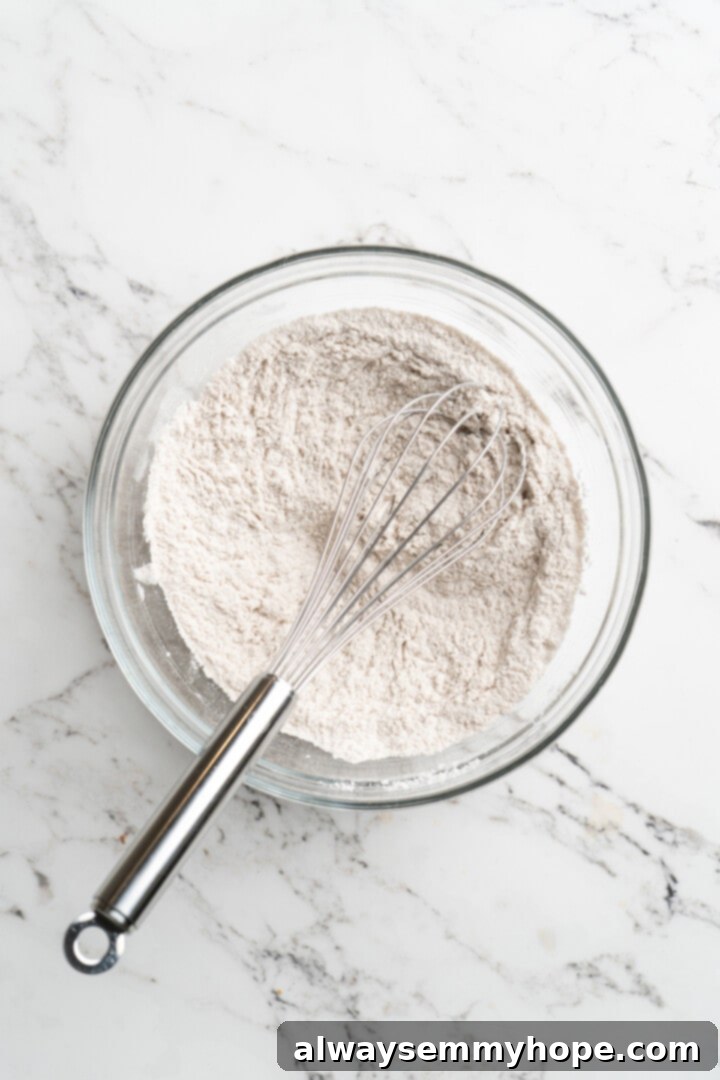
- Step 2: Mix the Dry Ingredients. In a medium-sized bowl, sift together your all-purpose flour, baking soda, ground cinnamon, and sea salt. Sifting helps to aerate the flour and ensures all the leavening and spices are evenly distributed throughout the mixture, preventing clumps and ensuring consistent flavor.
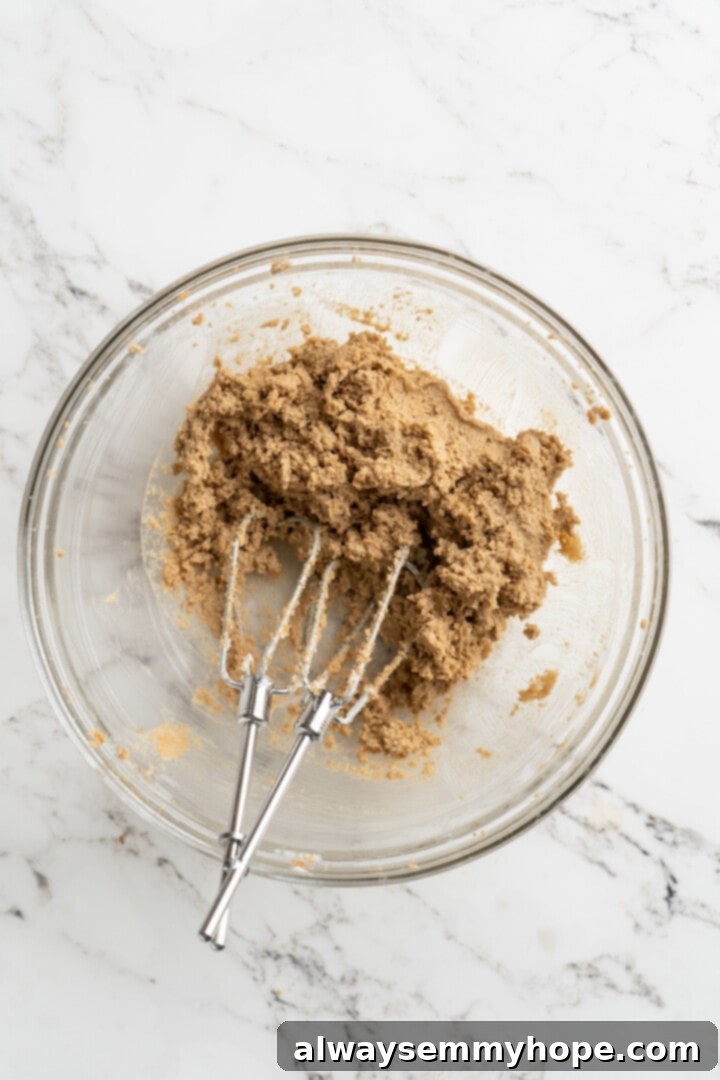
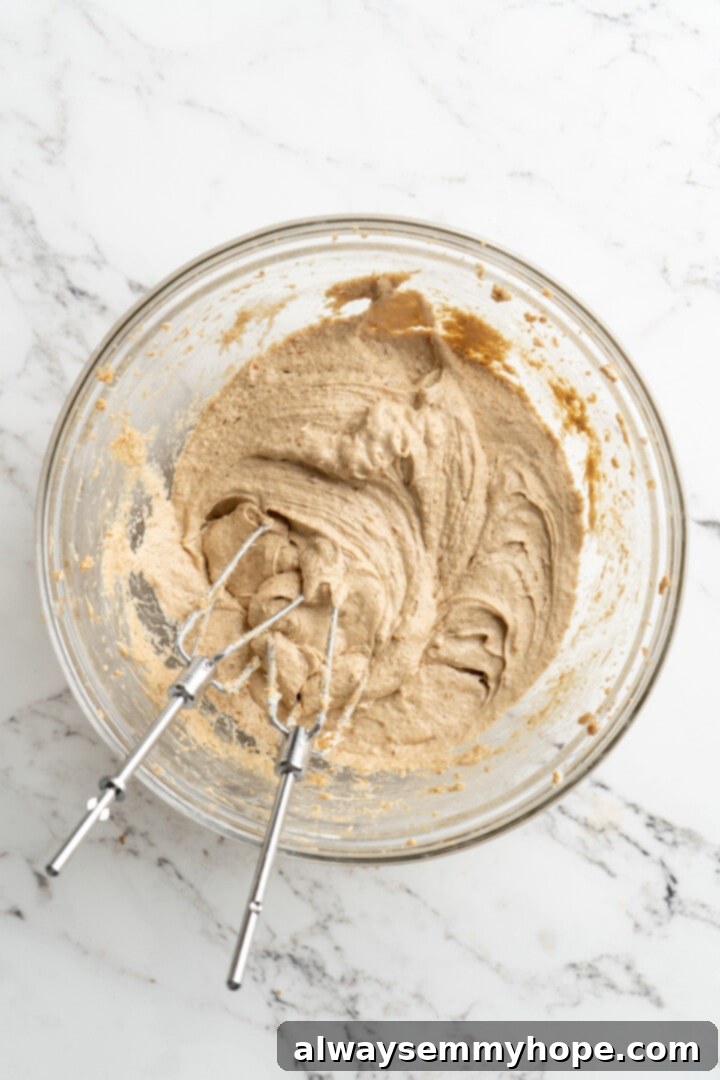
- Step 3: Beat the Wet Ingredients to Perfection. In a separate, larger mixing bowl, use an electric mixer on medium speed to cream together the room-temperature vegan butter and brown sugar for approximately 3 minutes. This process incorporates air, making the mixture light and fluffy. Next, beat in the prepared flax egg and vanilla extract for another 2 minutes until the mixture appears light, creamy, and beautifully emulsified. This thorough creaming is essential for the cookie’s final texture.
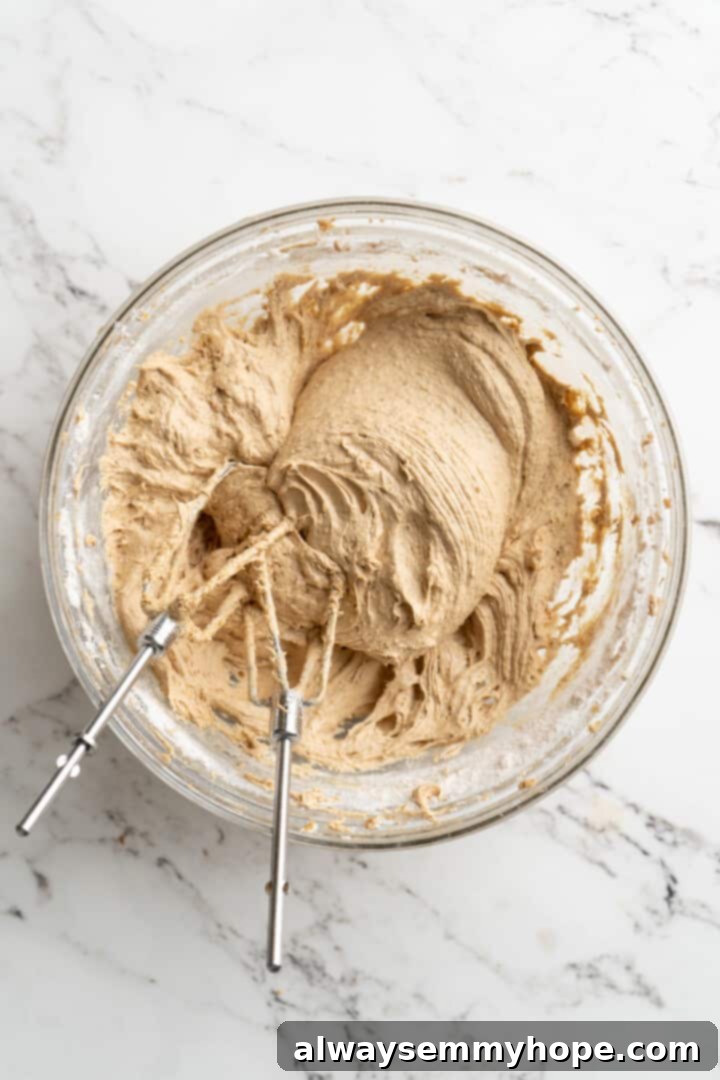
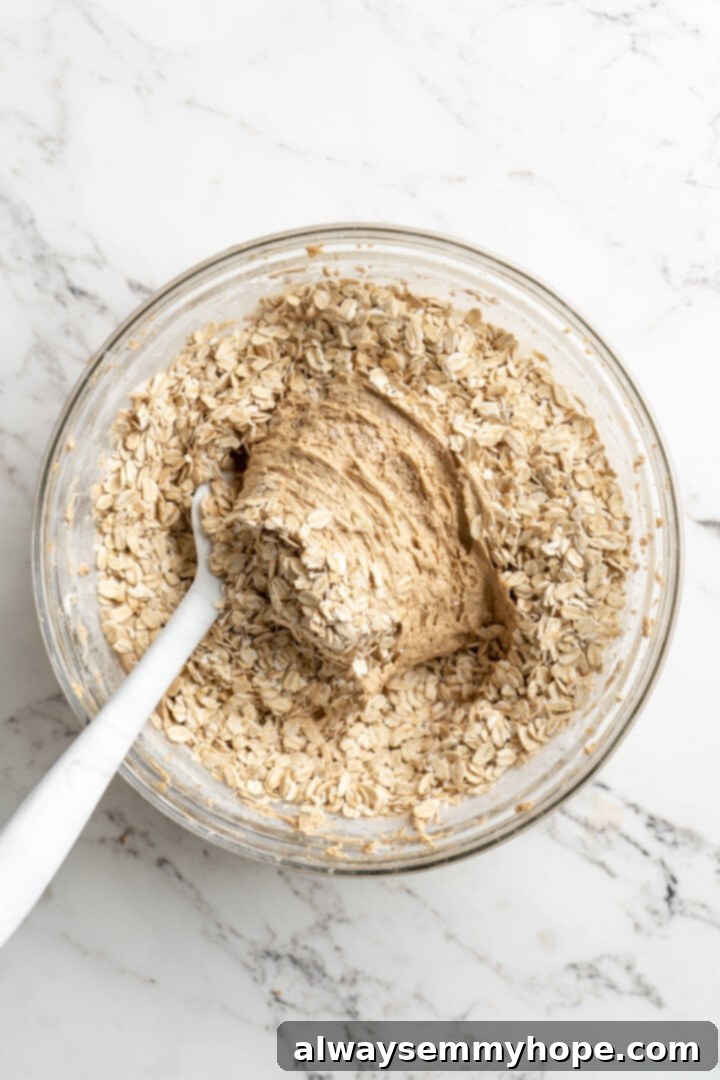
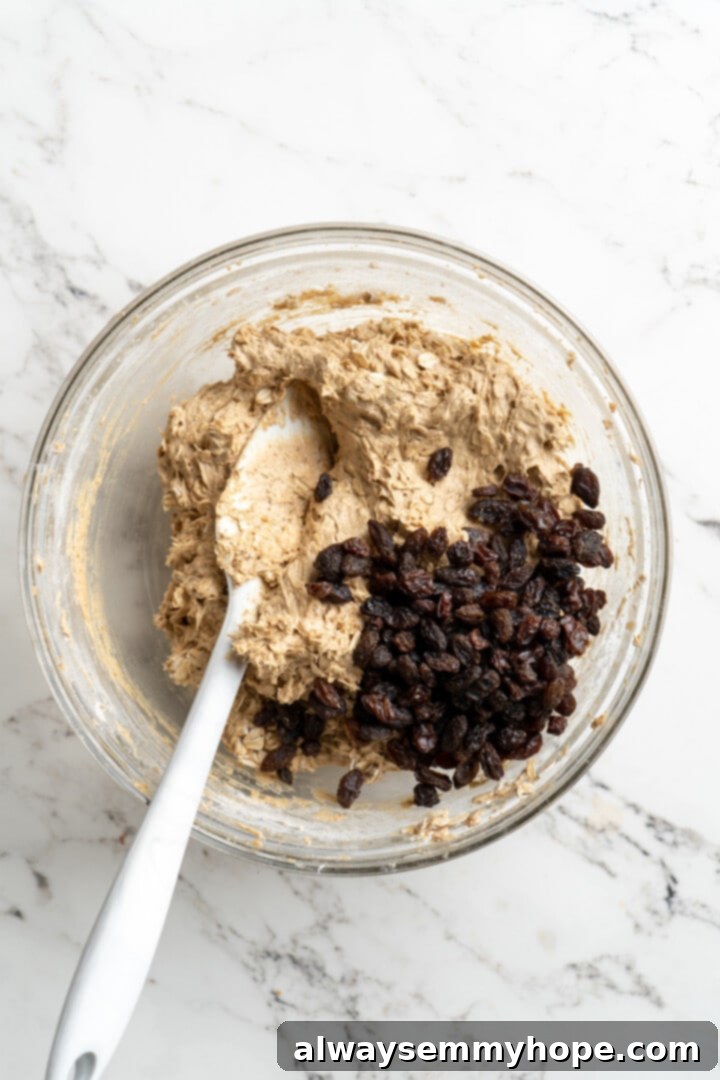
- Step 4: Finish the Dough. Gradually incorporate the dry ingredients into the wet mixture in two batches, mixing each for about 30 seconds until just combined. Be careful not to overmix; over-mixing can lead to tough cookies. If you’re using molasses, fold it in completely at this stage. Finally, gently fold in the old-fashioned oats and then the raisins using a spatula, ensuring they are evenly distributed throughout the dough.
- Step 5: Chill the Dough. Cover the bowl with plastic wrap and place it in the refrigerator for one hour. This chilling period is crucial for firming up the vegan butter, which prevents the cookies from spreading too much during baking, and allows the flavors to meld beautifully. Towards the end of the chilling time, begin preheating your oven to 350°F (180°C).
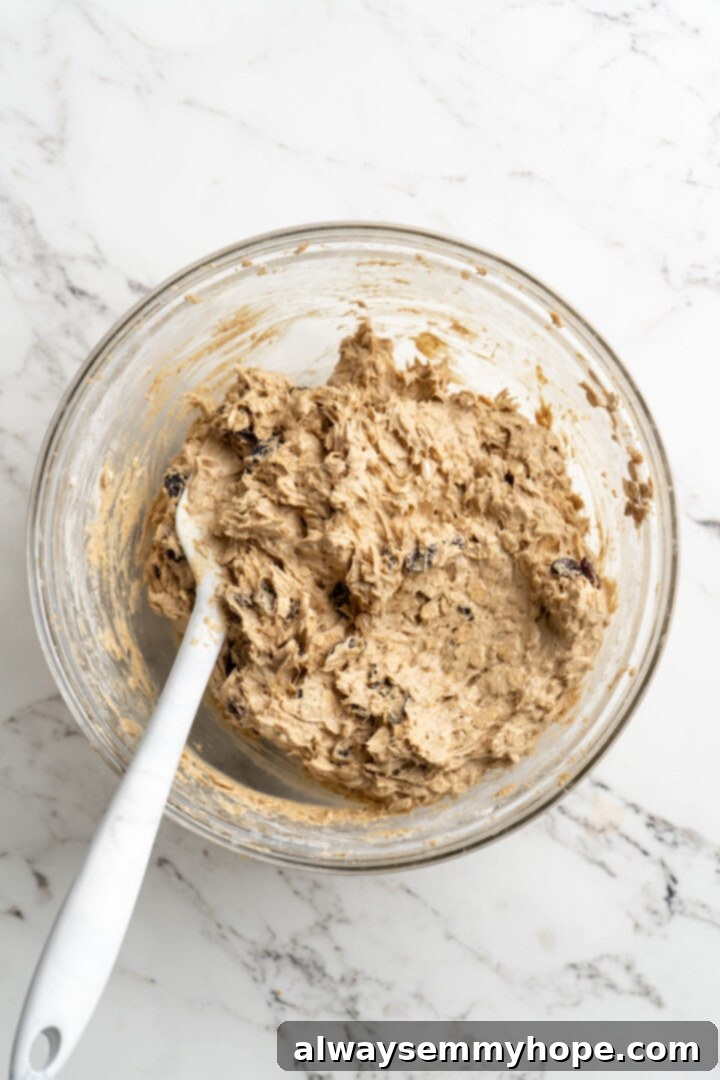
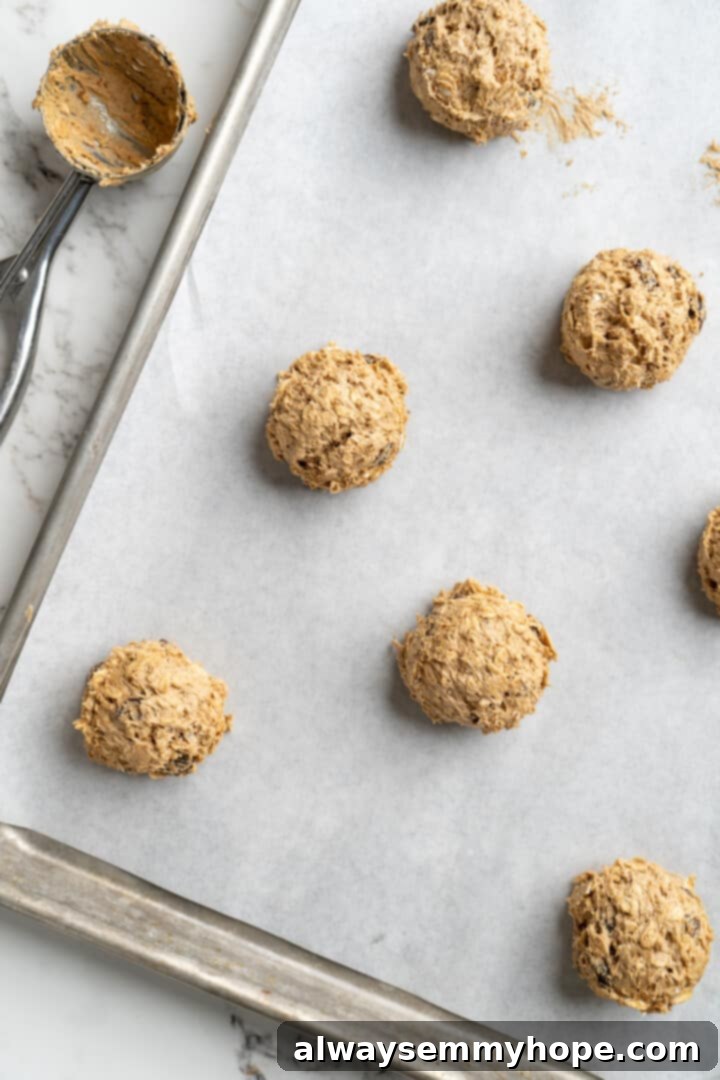
- Step 6: Form the Cookies. Once chilled, scoop about 2 tablespoons of dough per cookie. Roll each portion into a smooth, even ball. The dough should be thick and easy to handle. If you like, gently press a few extra raisins onto the top of each cookie for a visually appealing finish. Place the formed cookie balls onto your prepared baking sheet, ensuring you leave at least 2 inches of space between each cookie to allow for proper spreading.
- Step 7: Bake and Cool. Transfer the pan to your preheated oven and bake for 12 to 14 minutes. The cookies should be golden brown around the edges and still slightly soft in the center when removed. This slight underbaking is key to their chewiness. Allow them to cool on the baking sheet for 5 to 10 minutes; they will continue to set and firm up from the residual heat. After this initial cooling, transfer them to a wire rack to cool completely.
Essential Tips for Cookie Baking Success
Achieving perfectly chewy vegan oatmeal cookies is simple when you follow these key pointers:
- Always Use Room Temperature Vegan Butter. This tip is non-negotiable for superior cookie texture. Vegan butter that is too cold won’t cream properly with the sugar, leading to a lumpy mixture and an inconsistent dough. Butter that is too soft or melted will result in greasy cookies that spread excessively. Aim for butter that gives slightly when pressed but still holds its shape. This allows for optimal aeration during creaming, creating a light and tender crumb.
- Don’t Skip the Dough Chilling Time (at least 1 hour!). Chilling the dough for a minimum of one hour is crucial for several reasons. Firstly, it solidifies the fats, which significantly prevents the cookies from spreading too much in the oven, ensuring they retain their shape and thickness. Secondly, it allows the oats to fully hydrate and the flavors to deepen, resulting in a richer, chewier, and more flavorful cookie. If you need to chill the dough longer (up to 2 hours), that’s fine, but allow it to sit at room temperature for about 15-20 minutes before forming the cookies to make it more pliable. For overnight chilling, allow 20-30 minutes on the counter to soften slightly before rolling.
- Patience is Key: Let the Cookies Cool Properly. It’s tempting to dive into a warm cookie straight from the oven, but resisting for a few minutes pays off! Cookies continue to bake from the residual heat of the hot pan even after they’ve been removed from the oven. Allowing them to cool on the baking sheet for 5-10 minutes helps them set, firm up, and develop that perfect crispy-on-the-edges, chewy-in-the-middle texture. Transferring them too early can cause them to break or be too delicate.
- Stick to the Base Recipe for Best Results. Baking is a science, and especially with vegan recipes, ingredient ratios are carefully balanced to achieve the desired outcome. While variations are encouraged (see below!), making significant substitutions to the core ingredients (like flour type, leavening agents, or fat ratios) without proper knowledge can alter the delicate chemistry and might lead to unexpected results. For your first batch, follow the recipe precisely.

Delicious Variations to Try
As noted, I highly recommend sticking to the base recipe for your first batch to ensure success. However, once you’re comfortable, there are a couple of excellent ways to customize these cookies:
Gluten-Free Vegan Oatmeal Cookies: Making these cookies gluten-free is a straightforward substitution. Simply replace the all-purpose flour with a high-quality, measure-for-measure (or 1:1) gluten-free all-purpose flour blend. Ensure your chosen blend contains xanthan gum for optimal structure and texture. Always check your rolled oats to confirm they are certified gluten-free, as oats can sometimes be cross-contaminated during processing.
Alternative Mix-Ins: If raisins aren’t your favorite, or if you simply want to experiment, you can easily swap them out for other delicious additions. Just be sure to use the same total amount (¾ cup) to maintain the dough’s balance:
- Chocolate Chips: Vegan chocolate chips (dark, semi-sweet, or even white chocolate if available) are always a crowd-pleaser.
- Chopped Nuts: Add a delightful crunch and nutty flavor with chopped walnuts, pecans, or almonds.
- Dried Cranberries or Cherries: For a different fruity twist, try dried cranberries or chopped dried cherries.
- Shredded Coconut: Toasted or untoasted shredded coconut can add a lovely texture and tropical hint.
- Combination: Feel free to mix and match! A combination of chocolate chips and walnuts, or raisins and cranberries, would be fantastic.
How to Store Your Vegan Oatmeal Cookies
Once your vegan oatmeal cookies have completely cooled to room temperature, store them in an airtight container. They will remain wonderfully fresh and chewy at room temperature for up to 5 days. For optimal freshness, you can place a slice of bread in the container with the cookies; the bread will absorb moisture and help keep the cookies soft for longer.
Can I Freeze This Recipe? Absolutely!
These vegan oatmeal cookies are excellent for freezing, either before or after baking, offering convenient future treats or last-minute desserts.
- Freezing Unbaked Cookie Dough:
- Portion the chilled dough into individual balls (as if you were about to bake them).
- Place the dough balls on a baking tray lined with parchment paper, ensuring they don’t touch each other.
- Freeze for about 1-2 hours, or until solid.
- Once frozen, transfer the solid dough balls to an airtight freezer-safe container or a heavy-duty freezer bag. Label with the date and store in the freezer for up to 3 months.
- When you’re ready to bake, simply place the frozen dough balls on a parchment-lined baking sheet. You can bake them from frozen; just add an extra 2-4 minutes to the recommended baking time until they are golden brown and set. This method allows for fresh-baked cookies whenever a craving strikes!
- Freezing Baked Cookies:
- Allow the baked cookies to cool completely on a wire rack. This is crucial to prevent ice crystals from forming.
- Once fully cooled, arrange them in a single layer on a baking sheet and freeze for about an hour until firm. This “flash freezing” prevents them from sticking together.
- Transfer the frozen cookies to an airtight freezer-safe container or a freezer bag, separating layers with parchment paper if stacking. Label with the date and freeze for up to 3 months.
- To enjoy, simply thaw the cookies at room temperature for an hour or two. You can also warm them slightly in a microwave for 10-15 seconds or in a low oven for a few minutes for that freshly baked feel.
Discover More Delicious Vegan Cookie Recipes
If you’ve enjoyed these classic vegan oatmeal cookies, you’re in for a treat with these other fantastic plant-based cookie creations:
- Vegan Lactation Cookies
- Air Fryer Chocolate Chip Cookies
- Buttery Vegan Spritz Cookies
- Banana Oatmeal Cookies
- Chewy Trail Mix Cookies (Vegan & Gluten Free)
Thank you for joining me on this delicious baking adventure! If you try this incredible vegan oatmeal cookie recipe, I would absolutely love to see your creations. Please snap a photo and tag #jessicainthekitchen on Instagram! Your feedback means the world to me, so please feel free to leave a comment below and don’t forget to give the recipe a rating. Happy baking!

Vegan Oatmeal Cookies
Pin Recipe
Leave a Review
Ingredients
- ½ cup vegan butter, room temperature (112g)*
- 1 cup brown sugar, (200g)
- 2 flax eggs, (set in the fridge prior to for 15 minutes)
- 1 ½ cups old fashioned rolled oats, aka rolled oats
- 1 cup all purpose flour, (120g)
- 2 teaspoons baking soda
- ½ teaspoon ground cinnamon
- ½ teaspoon sea salt
- 1 teaspoon vanilla extract
- 1 tablespoon pure cane molasses, optional BUT highly recommended**
- ¾ cup raisins
Instructions
- Line a large baking sheet or two smaller baking sheets with silicone mats or parchment paper.
- In a bowl sift together the flour, baking soda, cinnamon and sea salt to combine. Set aside.
- In a larger bowl, mix together the vegan butter and sugar on medium speed for 3 minutes to cream together. Add in the flax egg and the vanilla extract, and mix for another 2 minutes on medium speed until the mixture is light and creamy and emulsified.
- Add in the dry ingredients in two batches, mixing for 30 seconds each until the dry mixture is just combined, scraping down the sides to combine. If you’re using the molasses, fold it in completely here. Fold in your oats, then your raisins, until completely folded in. I use a spatula for this step.
- Cover your dough and place in the fridge for 1 hour to chill. Preheat your oven to 350°F/180°C near the last 15 minutes of chill time.
- Using 2 tablespoons per cookie, scoop the dough and roll into a ball. The dough should be thick and easy to roll. Feel free to add extra raisins on top. Place on the baking sheet, allowing at least 2 inches of space between each cookie.
- Bake for 12-14 minutes.
- Remove from oven.
- Allow to cool on the baking sheet for at least 5-10 minutes (trust me) outside of the oven, then transfer to a wire rack. You don’t want to disturb them before that – the cookies are still cooking from the residual heat. Serve and enjoy! Store the cookies in an airtight container once cooled, or leave them on the wire rack.
Notes
- ** I understand that not everyone has molasses, and the cookies taste fantastic without it, but I REALLY loved the depth that the molasses added to this recipe. If you have it, fold it in right before you add in your oats and raisins!
- Get your cookie dough balls nice and round. This yields a beautiful end cookie.
- Give each cookie enough space to bake. You want to leave at least 2 inches between each because they spread. I used two cookie sheets and put them on the middle rack.
- Allow the cookies to cool. Trust me! When they’re done, I let them cool on the cookie sheet *OFF* (I move them to an oven mitt or trivet while still on the cookie sheet) the stove for 5 minutes. This helps them to set, without over baking them.
- You can easily substitute gluten free flour by weight.
- Don’t substitute the ingredients other than the flour, or if you do, don’t expect they’ll need the same time. That also counts for smaller or larger cookies. Smaller cookies will bake quicker, larger cookies will take longer.
- The chill time of 1 hour means you can pop your cookies out, roll them into balls and then make them for the perfect result. Remember to preheat your oven within about the last 15 minutes so it lines up beautifully. If you chill them for too short, they’ll spread too much. If you overchill them, they won’t spread as beautifully. If you have to leave them in for longer than the 1 hour up to 2 hours, take them out and place them on your counter for about 15 minutes to slightly soften up. If you have to leave them in longer to overnight, take them out and place them on your counter for about 20 minutes to slightly soften up. Then roll them up!
Disclaimer: Although jessicainthekitchen.com attempts to provide accurate nutritional information, kindly note that these are only estimates. Nutritional information may be affected based on the product type, the brand that was purchased, and in other unforeseeable ways. Jessicainthekitchen.com will not be held liable for any loss or damage resulting for your reliance on nutritional information. If you need to follow a specific caloric regimen, please consult your doctor first.