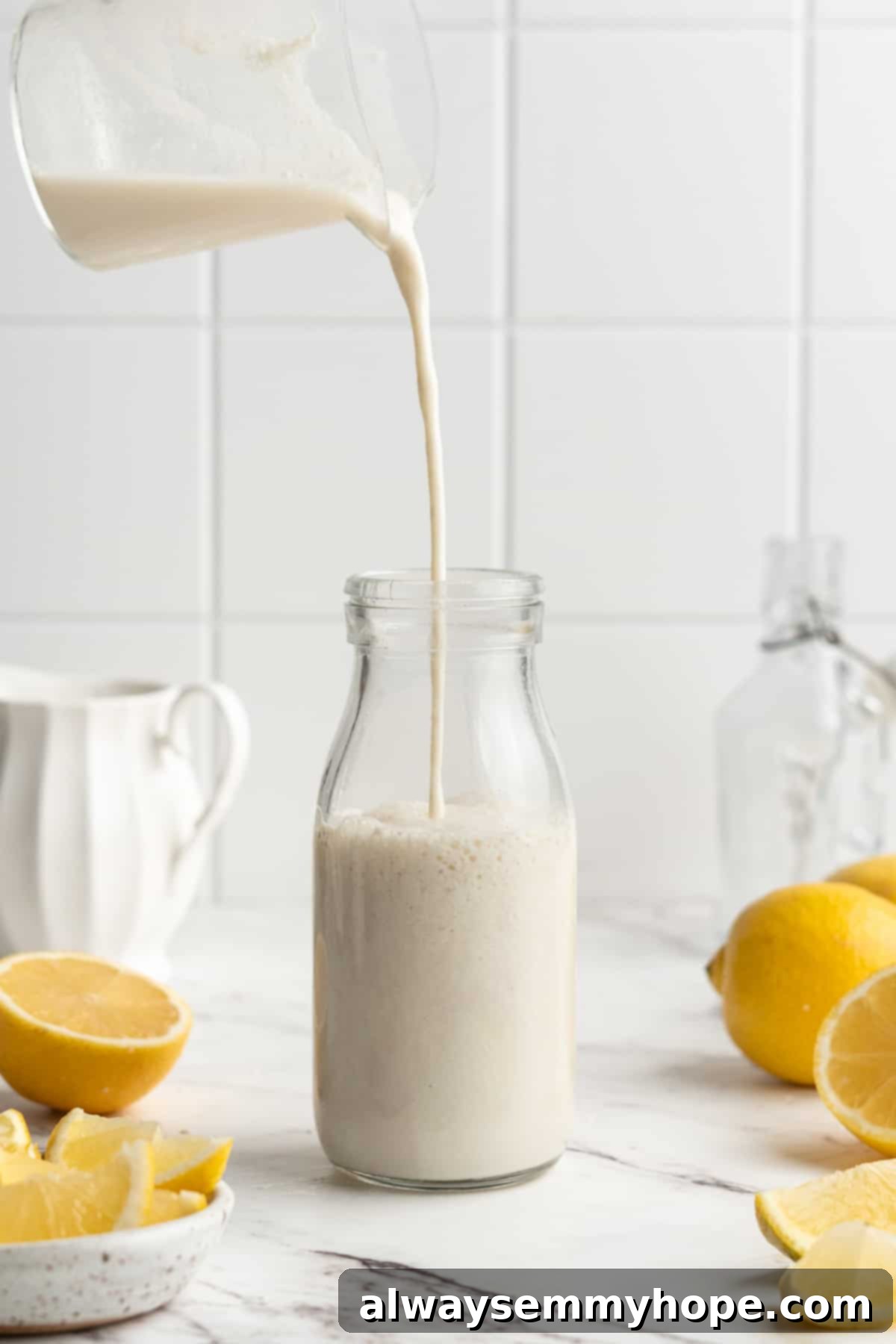
The Ultimate Guide to Vegan Dairy Substitutes: Explore the Best Plant-Based Alternatives
Whether you’re embarking on a plant-based journey, looking to reduce your dairy intake, or simply curious about new ingredients, navigating the world of vegan dairy substitutes can be exciting. The market for plant-based alternatives has exploded in recent years, transforming from a limited selection of soy milk and block cheese to an impressive array of options that truly mimic their dairy counterparts. This comprehensive guide will help you discover the best vegan dairy substitutes available today, covering everything from creamy milks and flavorful cheeses to versatile butters and rich creams.
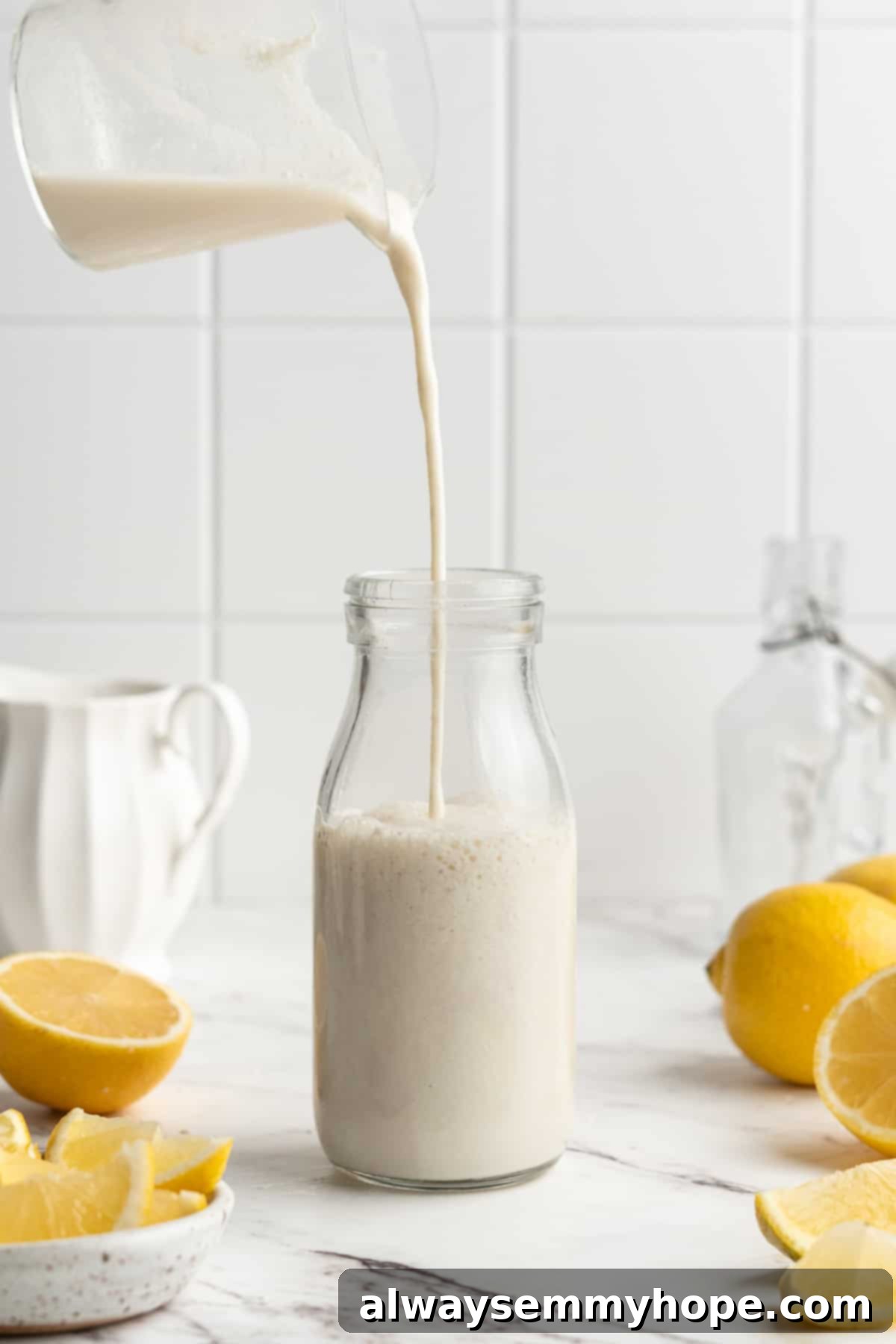
The landscape of plant-based eating has dramatically evolved. What was once a niche market with limited choices, often requiring a specialized health food store visit, is now a mainstream phenomenon. Supermarket shelves are brimming with diverse vegan products, from various plant milks to surprisingly delicious cheeses and rich dairy-free yogurts. While this abundance is a blessing for vegans and dairy-free enthusiasts, it can also be overwhelming when trying to select the perfect substitute for your culinary needs. This guide aims to simplify that choice, highlighting top-tier plant-based options for cooking, baking, snacking, and everyday enjoyment.
Discovering the Best Vegan Milk Substitutes
Plant-based milk is arguably the easiest dairy item to substitute, offering an impressive variety of textures, flavors, and nutritional profiles. The options are virtually endless, making it simple to find a perfect match for any occasion, from your morning coffee to complex baking recipes.
Oat Milk: Creamy and Versatile
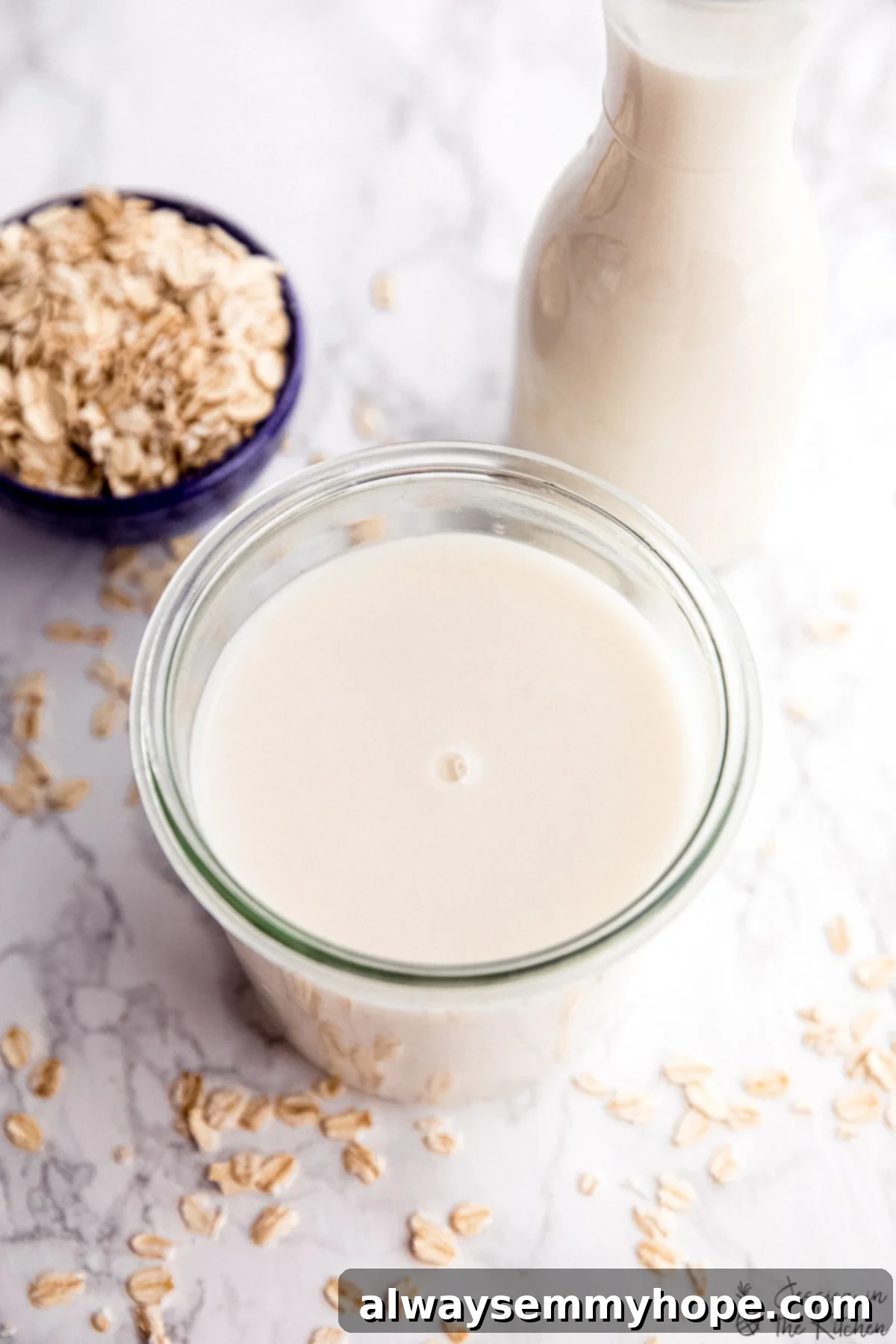
Oat milk has rapidly risen to prominence as one of the most beloved vegan milk alternatives. Derived from blending oats with water and straining the mixture, it boasts a naturally creamy consistency that closely rivals cow’s milk, making it a favorite for lattes and other coffee beverages. Beyond its satisfying texture, oat milk offers a slightly sweet, mild, and distinctly “oatmeal-like” flavor that integrates seamlessly into a wide range of dishes without overpowering other ingredients. It also provides more fiber and, surprisingly, more protein than many other popular plant milks like almond milk.
Its richness and thickness make it an excellent choice for baking, where it contributes moisture and a tender crumb to cakes, breads, and muffins. You can find oat milk readily available in most grocery stores and coffee shops, a testament to its widespread appeal. For those who enjoy a DIY approach, making oat milk at home is incredibly simple and cost-effective. Learn how to make your own oat milk here for a fresh and customizable option.
Coconut Milk: Richness and Tropical Notes
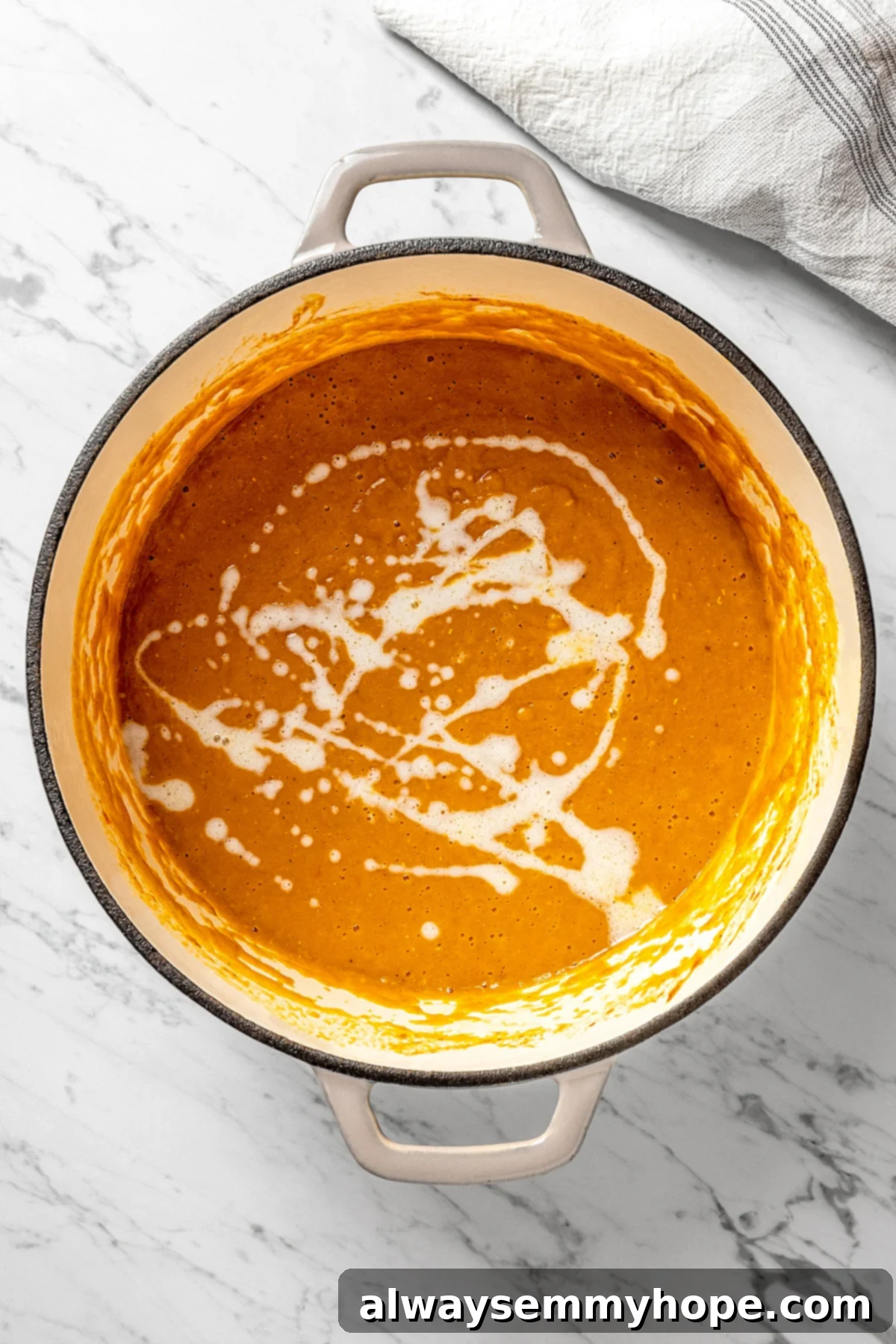
Coconut milk is another outstanding vegan dairy substitute, celebrated for its indulgent richness and creamy texture. Extracted from the grated flesh of mature coconuts, this plant-based milk adds a luxurious body to various recipes. Its distinct tropical flavor makes it a stellar choice for curries, smoothies, and dairy-free desserts like ice cream. However, it’s worth noting that its unique taste can be a double-edged sword; while it enhances certain dishes beautifully, it might not always be desired in recipes where a neutral flavor is preferred.
Coconut milk is available in two main forms: refrigerated or aseptic cartons, which typically have a thinner consistency similar to other plant milks and are great for cereals or coffee. Then there’s the highly versatile canned full-fat coconut milk, which is a true powerhouse in the vegan kitchen. The thick cream that separates in canned coconut milk makes it an ideal substitute for whole milk, half-and-half, and especially heavy cream, perfect for creating rich sauces, decadent desserts, or even homemade whipped cream.

Soy Milk: A Classic Protein Powerhouse
Soy milk has long been a foundational vegan dairy substitute, recognized globally for its versatility and nutritional benefits. Produced by soaking, grinding, and filtering soybeans, soy milk closely emulates the texture and mild taste of traditional cow’s milk. Its naturally creamy consistency makes it adaptable for virtually any use, from splashing into your morning cup of coffee or tea to serving as a reliable base in your favorite baking recipes. Whether you’re making savory sauces or sweet treats, soy milk provides a consistent and familiar result.
From a nutritional standpoint, soy milk truly shines. It stands out among plant milks for its impressive protein content, often matching or even exceeding that of dairy milk. On average, a single cup of soy milk provides around 8 grams of protein, making it an excellent choice for those looking to boost their protein intake on a plant-based diet. Incorporate it into your morning smoothies for an extra boost, or use it as a foundational ingredient in savory dishes where a robust texture is desired. Many brands also offer fortified versions with calcium and Vitamin D, further enhancing its nutritional value.
Almond Milk: Light and Refreshing
Almond milk is another hugely popular plant-based milk, known for its light texture and subtly nutty flavor. Made from almonds and water, it’s a refreshing choice often favored for its lower calorie count compared to other plant milks. While it might be thinner than oat or soy milk, unsweetened almond milk is excellent in smoothies, cereals, and as a lighter alternative in coffee. It’s widely available in both sweetened and unsweetened varieties, making it adaptable to different preferences and dietary needs. For baking, ensure you choose an unsweetened and unflavored version to avoid unwanted sweetness or artificial notes in your final product.
Exploring the Best Vegan Cheese Substitutes
For many transitioning to a plant-based diet, cheese is often the hardest food to give up. The good news is that the vegan cheese market has undergone a revolutionary transformation, now offering a remarkable array of products that can satisfy even the most ardent cheese lovers. From melty shreds to creamy spreads, there’s a vegan cheese option for almost every craving.
Nutritional Yeast: The Cheesy Flavor Secret
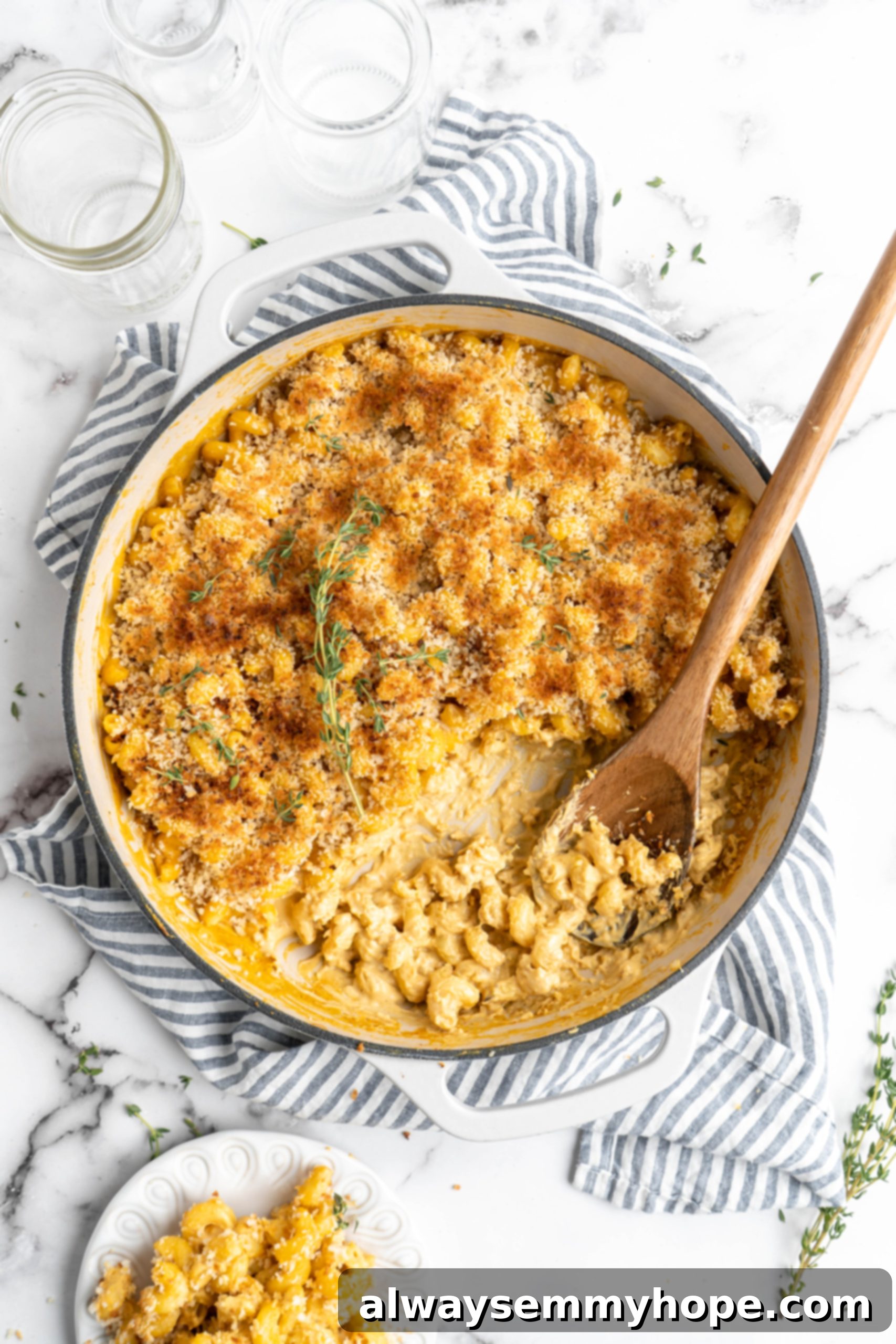
Often hailed as “nooch” in vegan circles, nutritional yeast is a classic and indispensable ingredient for adding a distinctive cheesy, nutty, and savory flavor to plant-based dishes. This deactivated yeast, which comes in flakes or powder, has been a staple in vegan kitchens for decades. While it doesn’t replicate the texture of traditional cheese, its umami-rich profile provides an undeniable cheesy essence that elevates countless recipes. It’s also a fantastic source of essential vitamins and minerals, including B vitamins (especially B12 in fortified versions), folic acid, and zinc, making it a nutritious addition to your meals.
Nutritional yeast is incredibly versatile. It’s the star ingredient in many vegan “cheese” sauces, most famously in vegan mac and cheese, where it creates a deeply satisfying flavor profile. Beyond sauces, it can be generously sprinkled over salads, roasted vegetables, popcorn, or stirred into soups and gravies for an added layer of cheesy depth. Its ability to impart a familiar savory taste without dairy makes it a foundational component for any vegan cook.
Cashew Cheese: The Creamy Foundation
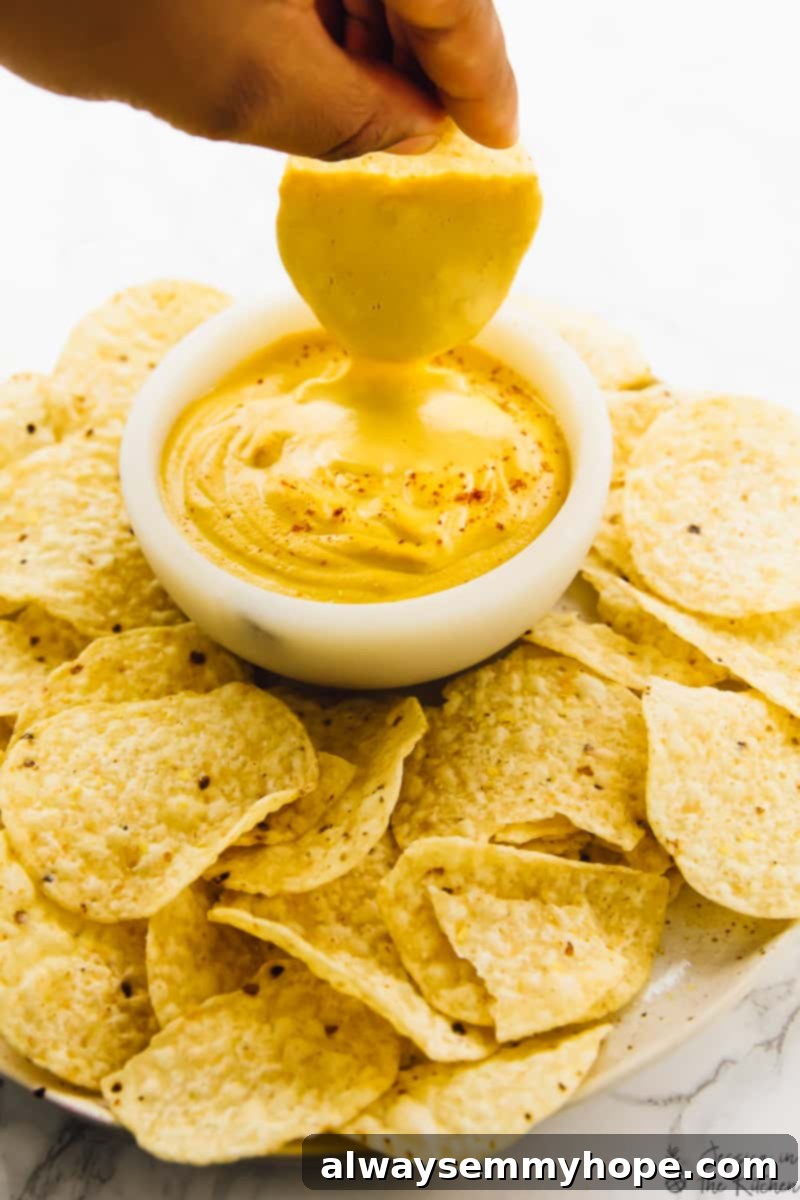
Cashews are truly a marvel in the world of vegan cuisine, serving as the secret ingredient behind many of the most convincing dairy-free cheese alternatives. When blended with water, these nuts transform into an incredibly creamy base that closely mimics the texture and richness of traditional cheese. This makes cashew cheese one of the closest substitutes to dairy cheese in terms of both mouthfeel and flavor adaptability. You’ll find cashews at the heart of my rich vegan cheese sauce, and they also form the basis for numerous commercially available spreadable, sliceable, and even grateable vegan cheeses.
The beauty of cashew cheese lies in its versatility. It can be seasoned to create a myriad of flavors, from sharp cheddar-like sauces to soft, tangy cream cheeses. Often, cashews are combined with nutritional yeast to enhance that characteristic cheesy flavor, as demonstrated in my popular vegan Parmesan recipe. The process typically involves soaking cashews to soften them, then blending them with various seasonings and liquids to achieve the desired consistency and taste.
Coconut Milk Cheese: Melty and Flavorful
Coconut milk is another fantastic ingredient for crafting dairy-free cheese alternatives, especially for those seeking options that melt and slice well. By combining the rich, creamy base of coconut milk with thickening agents such as agar-agar or cornstarch, it’s possible to create vegan cheeses that behave remarkably like their dairy counterparts. These plant-based cheeses can be sliced for sandwiches, shredded over pizzas, or melted into grilled cheese, offering a satisfying texture and experience.
One of the appealing aspects of coconut milk cheese is its subtle coconut flavor, which can be an advantage depending on the dish. It harmonizes particularly well in both sweet and savory applications, adding a unique depth without being overpowering. The inherent creaminess and fat content of coconut milk make it an exceptional foundation for developing both firm, aged-style cheeses and soft, spreadable varieties, providing a broad spectrum of possibilities for vegan cheese lovers.
The Best Vegan Butter Substitutes for Every Need
Butter is a fundamental ingredient in countless culinary traditions, especially in baking and sautéing. Fortunately, the plant-based world offers an abundance of excellent vegan alternatives, ranging from readily available pantry staples to sophisticated store-bought spreads designed to mimic traditional butter perfectly.
Coconut Oil: A Baking and Cooking Essential
Coconut oil stands out as an excellent and versatile substitute for butter, particularly in baking. While its melting point differs slightly from dairy butter, coconut oil exhibits similar properties: it’s solid when chilled and liquid when heated. This characteristic makes it highly effective in recipes where a solid fat is required, contributing to rich textures and moist results. Before the widespread availability of specialized vegan butter spreads, coconut oil was a go-to for many plant-based bakers, valued for its performance and natural origin.
When using coconut oil, consider whether you prefer refined or unrefined varieties. Refined coconut oil has a neutral flavor, making it suitable for recipes where you don’t want a coconut taste. Unrefined (virgin) coconut oil retains a distinct coconut aroma and flavor, which can be a delightful addition to certain dishes, especially desserts or Asian-inspired cuisine. It’s a fantastic option for everything from greasing pans to making flaky pie crusts.
Other Liquid Oils: Versatility in Your Pantry
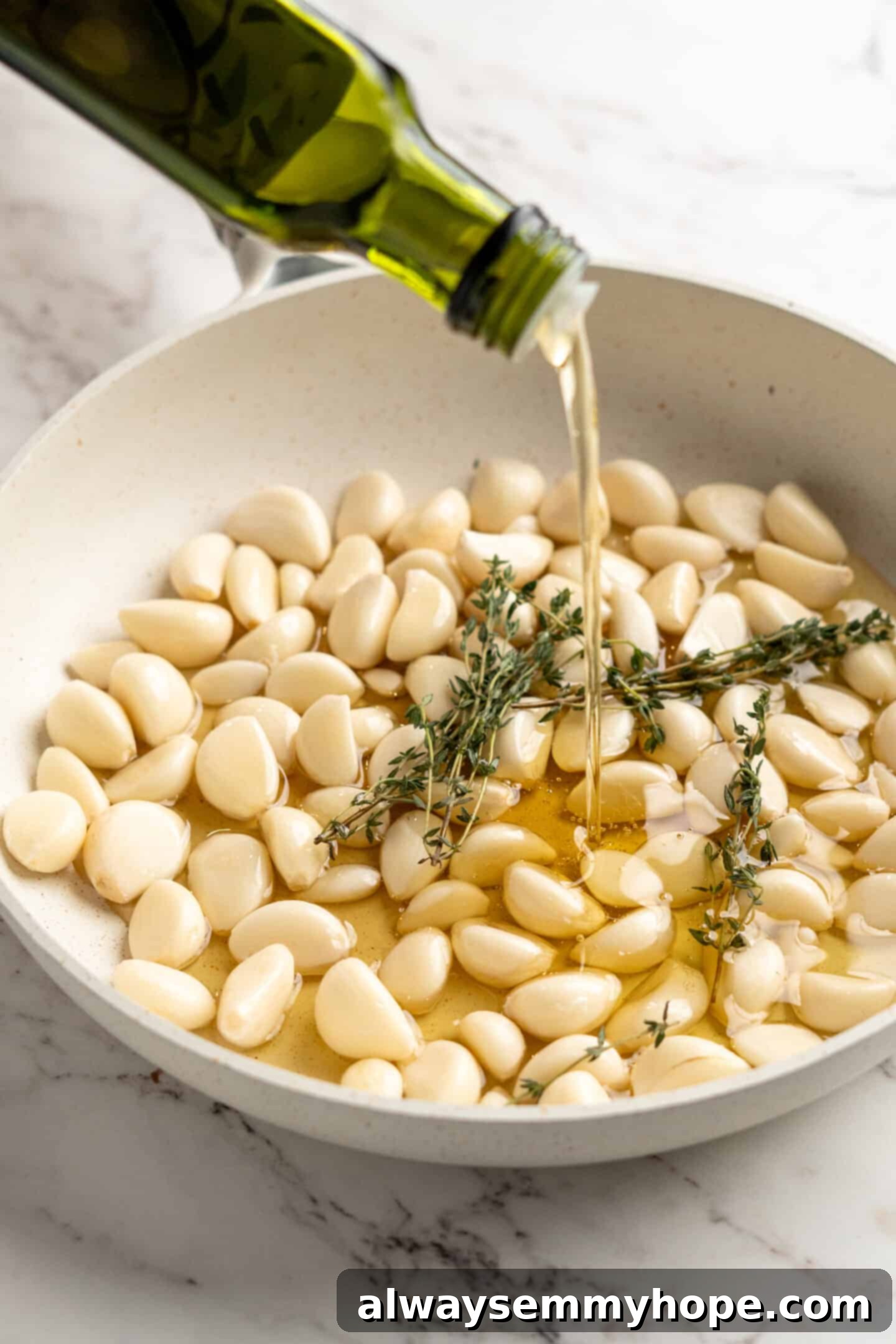
For a more neutral-flavored option, various liquid oils like olive oil, canola oil, or avocado oil make excellent substitutes for butter in many cooking applications. If a recipe calls for sautéing vegetables in a tablespoon of butter, you can effortlessly swap it for an equal amount of olive oil (for savory dishes), avocado oil (for high-heat cooking and a neutral flavor), or canola/vegetable oil (for general-purpose cooking and baking). These oils are pantry staples, offering convenience and ease of use.
When incorporating liquid oils into baking recipes that originally call for solid butter, it’s essential to be mindful of their higher water content and different fat compositions. While a 1:1 substitution often works, the resulting texture and consistency of your baked goods might be slightly different. For instance, cookies might spread more, or cakes might have a denser crumb. Experimentation can help you find the best balance for your favorite recipes.
Vegan Buttery Spreads: The Ultimate Convenience
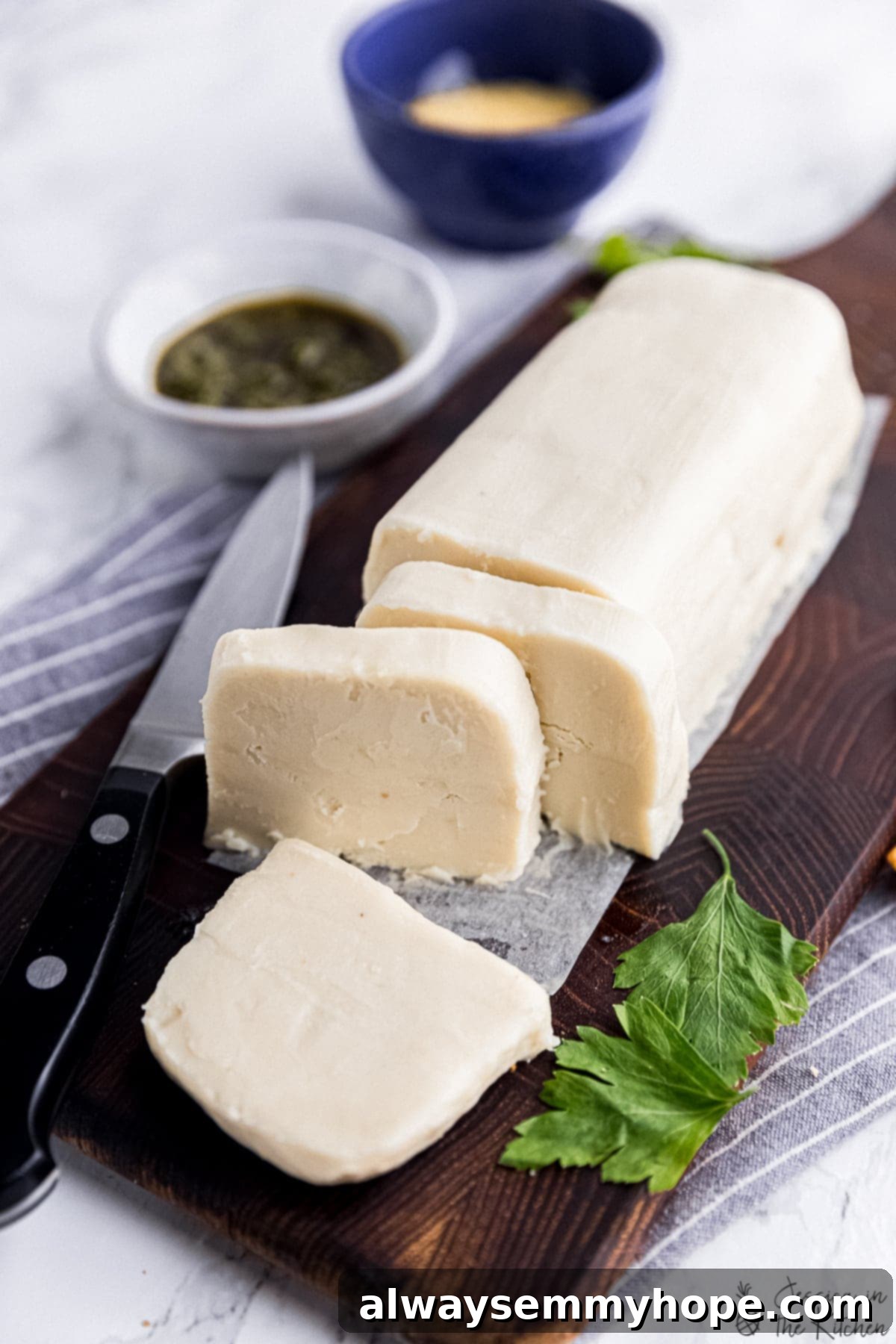
The market for vegan buttery spreads has flourished, offering a wide array of products specifically formulated to replicate the taste, texture, and performance of traditional butter. These convenient alternatives are designed for a direct 1:1 substitution in most recipes, whether you’re spreading it on toast, sautéing vegetables, or using it in complex baking projects. Many brands offer both stick and tub varieties, catering to different uses.
When selecting a vegan buttery spread, always check the ingredients list to ensure it’s made from plant-based sources like coconut oil, avocado oil, shea butter, or a blend of vegetable oils. It’s crucial to distinguish these from traditional margarine, which historically could contain dairy-derived ingredients. Fortunately, most modern vegan butter brands clearly label their products as dairy-free. For those who enjoy a hands-on approach, making your own vegan butter at home is also a rewarding option, allowing for customization and control over ingredients.
Beyond the Basics: More Vegan Dairy Substitutes
The innovation in plant-based alternatives extends far beyond just milk, cheese, and butter. Here are a few more essential vegan dairy substitutes to enhance your culinary repertoire and ensure no dish misses out on its creamy, tangy, or rich components.
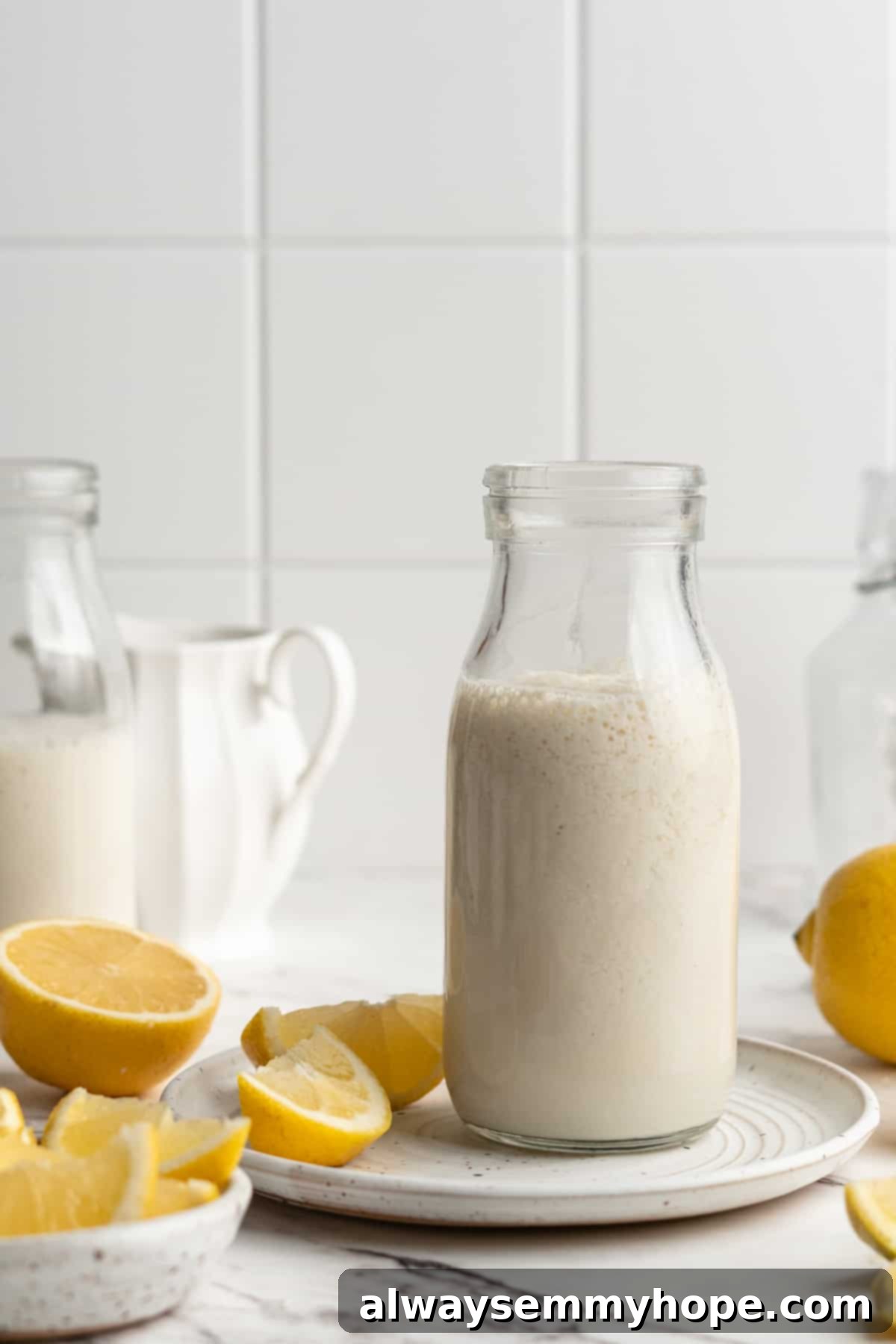
Vegan Buttermilk: The Secret to Tender Baking
Achieving the tangy, slightly acidic profile of buttermilk is crucial for many baking recipes, contributing to a tender crumb and activating leavening agents. Fortunately, making your own vegan buttermilk at home is remarkably simple and straightforward. My vegan buttermilk recipe typically involves combining a plant-based milk (like soy or almond milk) with a touch of acid, such as lemon juice or apple cider vinegar. This mixture curdles slightly, creating a tangy, creamy liquid that closely resembles the taste and texture of traditional buttermilk.
You can use this homemade vegan buttermilk in a wide variety of baked goods, including fluffy pancakes, moist muffins, and delicate cakes. It reacts with baking soda to create lift and contributes to a wonderfully light and tender texture, ensuring your plant-based baked goods are just as delicious as their traditional counterparts.
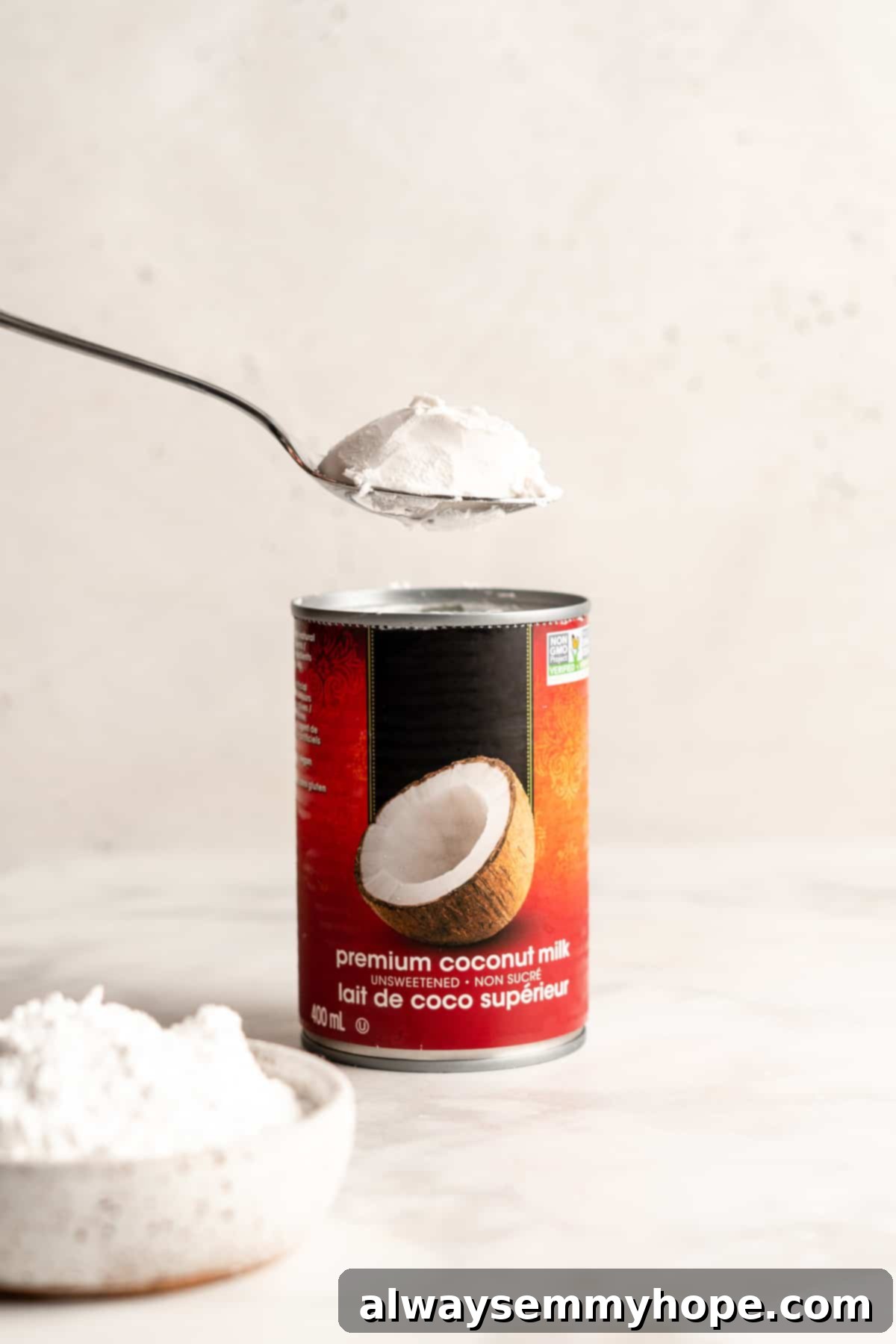
Vegan Heavy Cream: Richness Redefined
For recipes demanding a rich, thick texture, finding a suitable heavy cream substitute is key. While commercially-made vegan heavy creams are becoming more widely available, often based on oat, soy, or coconut, many home cooks prefer homemade options for their freshness and simplicity. I often rely on my homemade heavy cream substitute, which typically uses cashews for their emulsifying properties and creamy consistency. Full-fat canned coconut milk is another excellent alternative, particularly the thick cream that separates at the top after chilling. Both options impart a luxurious, creamy texture to soups, sauces, gratins, and desserts.
For those special occasions requiring a delightful topping, vegan whipped cream is easily achievable. My cashew whipped cream offers a rich and stable option, while coconut whipped cream, made from chilled full-fat coconut milk, provides a light, airy, and delicious topping that’s perfect for fruits, pies, and hot beverages.
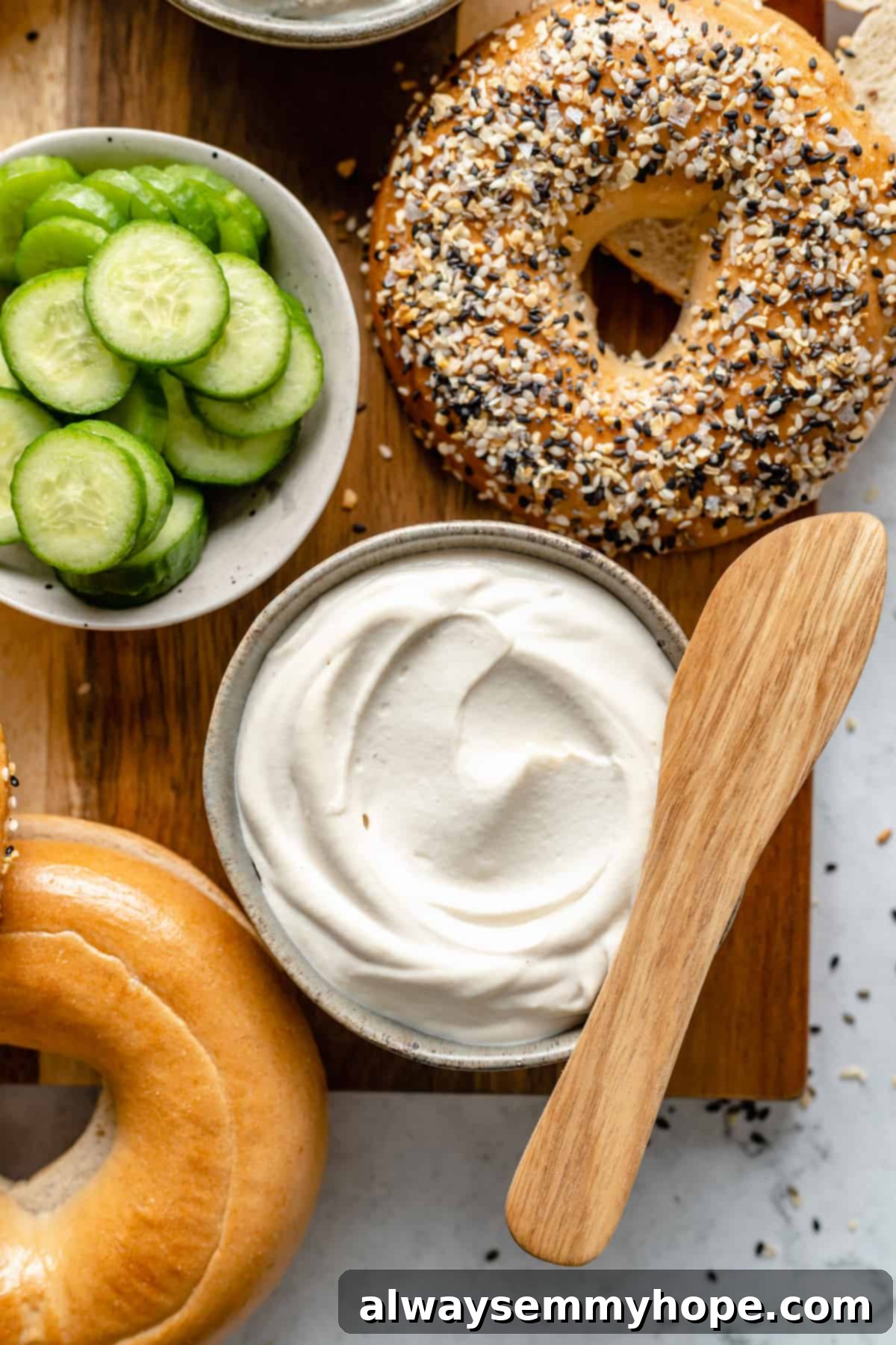
Vegan Cream Cheese: Tangy and Spreadable
Vegan cream cheese has made significant strides, now a widely available and highly sought-after product in grocery stores. Its rich, tangy, and spreadable texture makes it perfect for classic applications like spreading on bagels, but its versatility extends much further. I love incorporating it into baked goods such as pumpkin cream cheese swirl muffins or creating decadent vegan cream cheese frosting for cakes and cupcakes. These store-bought options are incredibly convenient and come in various flavors and consistencies.
However, for a truly unparalleled experience, especially when seeking that perfect bagel topping, a homemade version can be incredibly rewarding. My go-to vegan cream cheese recipe delivers a rich, creamy consistency with just the right amount of tanginess, often utilizing cashews or tofu as its base. This homemade alternative provides a fresh, customizable option that often surpasses store-bought varieties in flavor and texture.
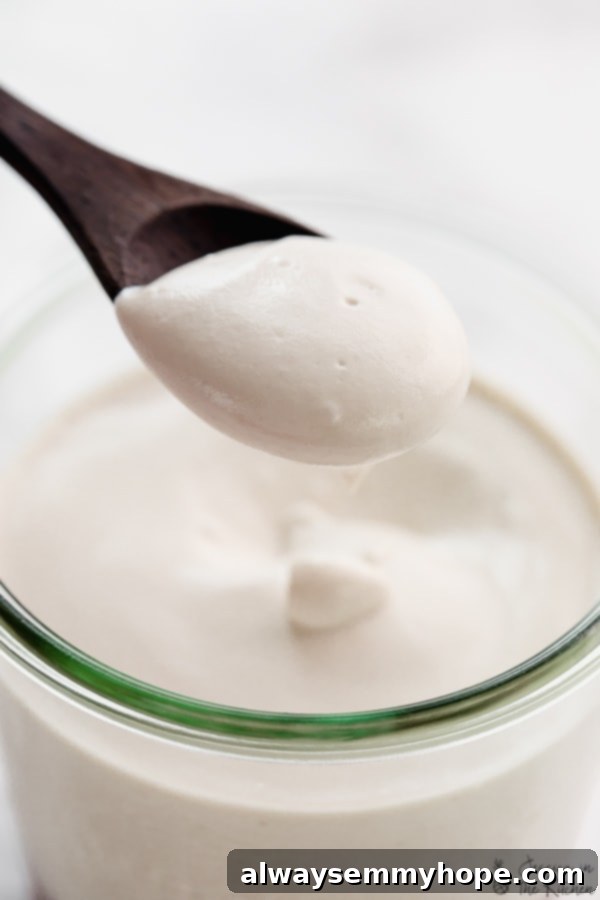
Vegan Yogurt: Cultured and Creamy
The selection of plant-based yogurts has expanded dramatically, offering diverse options made from almonds, cashews, coconut, soy, and oats. These yogurts provide a fantastic dairy-free alternative for breakfast bowls, smoothies, or as a base for dips and dressings. When choosing a store-bought vegan yogurt, it’s wise to read the labels carefully, as some brands can contain a considerable amount of added sugar. Opting for unsweetened varieties allows you to control the sweetness and tailor it to your dietary preferences.
For those who enjoy a more wholesome and customizable option, making your own vegan yogurt at home is a rewarding process. Homemade versions often boast a cleaner ingredient list and can be cultured to achieve your desired level of tanginess and thickness. Whether store-bought or homemade, vegan yogurts offer a delicious and probiotic-rich addition to any plant-based diet.
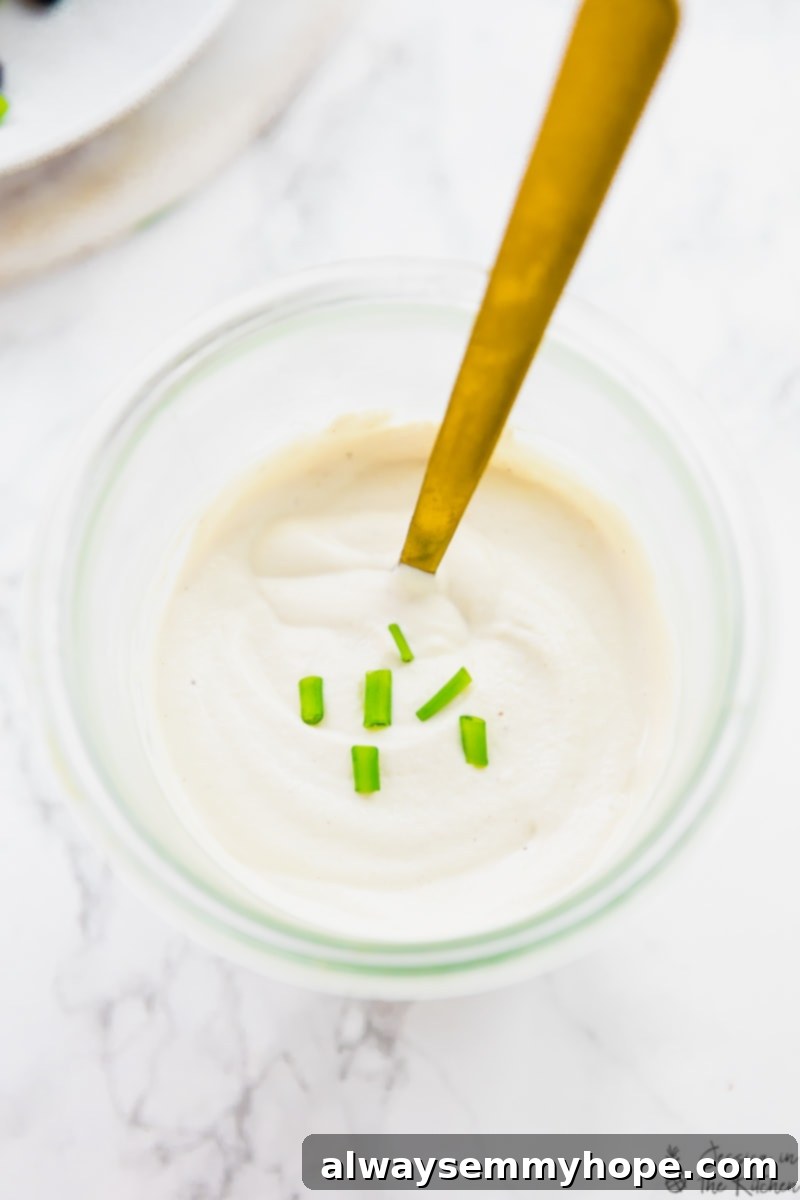
Vegan Sour Cream: Tangy Zest for Savory Dishes
Sour cream adds a distinctive tangy and creamy element to many savory dishes, and the good news is that excellent vegan alternatives are readily available. You can find several different brands of plant-based sour cream in grocery stores today, often made from a base of coconut, soy, or cashews. These products are designed to deliver that familiar creamy texture and zesty flavor, making them ideal for a variety of culinary uses.
Alternatively, crafting your own vegan sour cream at home is a simple process, often using cashews as the creamy foundation combined with lemon juice or apple cider vinegar for the tangy kick. This homemade, creamy mixture can be used generously as a topping for tacos, nachos, or baked potatoes. It also blends beautifully into dressings and dips, or can be stirred into soups and stews to add an extra layer of richness and a hint of piquant flavor.
Embracing vegan dairy substitutes opens up a world of culinary possibilities, allowing you to enjoy your favorite foods with a plant-based twist. With so many incredible options available, going dairy-free has never been easier or more delicious!
More Essential Vegan Guides to Explore
- Is Bread Vegan? Demystifying Common Assumptions
- What Is Aquafaba? The Magical Egg Substitute Explained
- Surprising Foods That Are NOT Vegan: A Comprehensive List
- What Is Cassava Flour? Exploring its Uses and Benefits
- Unlocking the Health Benefits of a Plant-Based Diet