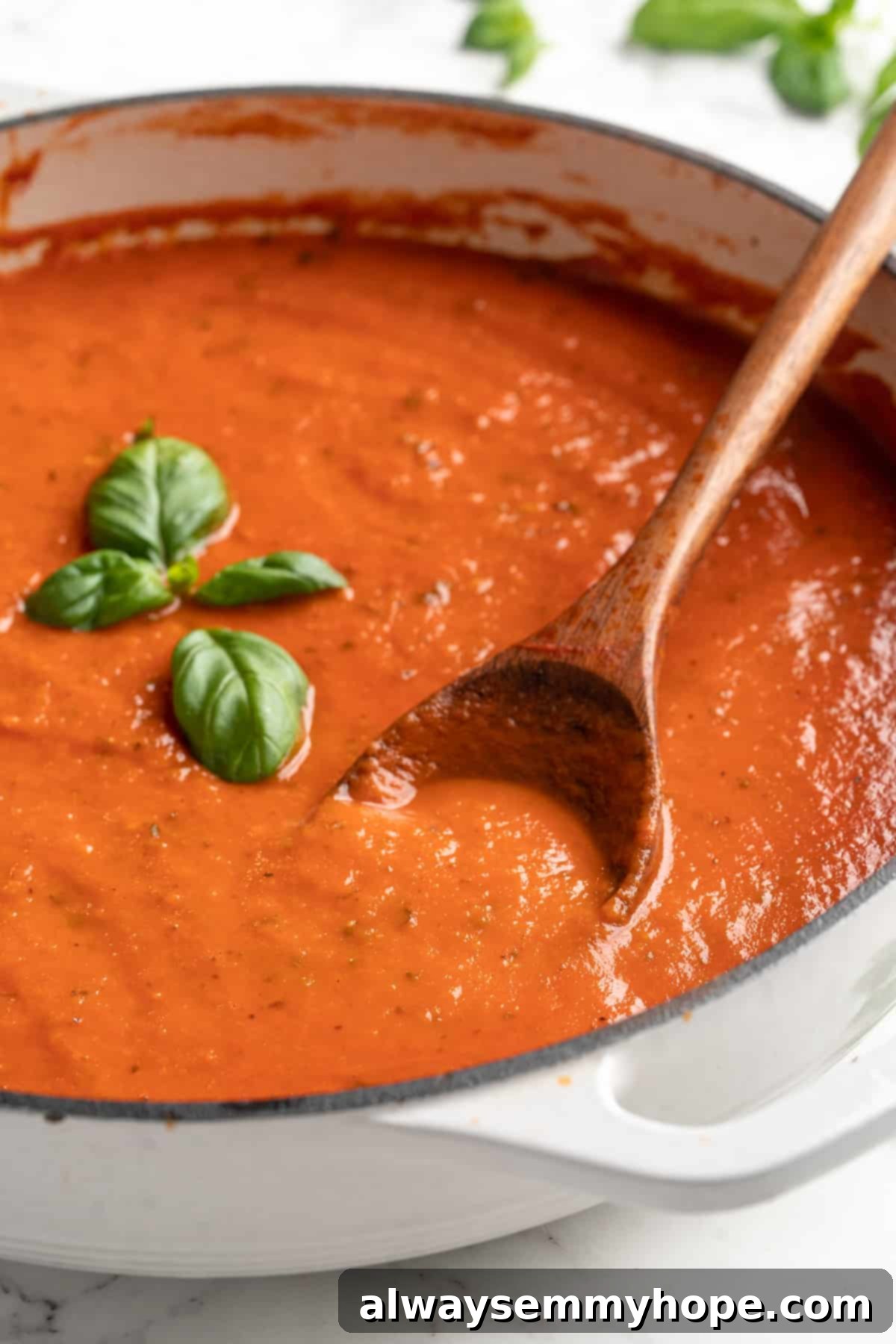
The Ultimate Homemade Tomato Sauce with Roasted Garlic: Easy, Flavorful & Freezer-Friendly
Once you discover the incredible depth of flavor in this easy-to-make homemade tomato sauce, you’ll wonder how you ever lived without it! The harmonious blend of sweet, caramelized roasted garlic and the vibrant freshness of sun-ripened tomatoes creates a truly unforgettable culinary experience. This isn’t just a sauce; it’s a foundation for countless delicious meals, ready to elevate your everyday cooking.
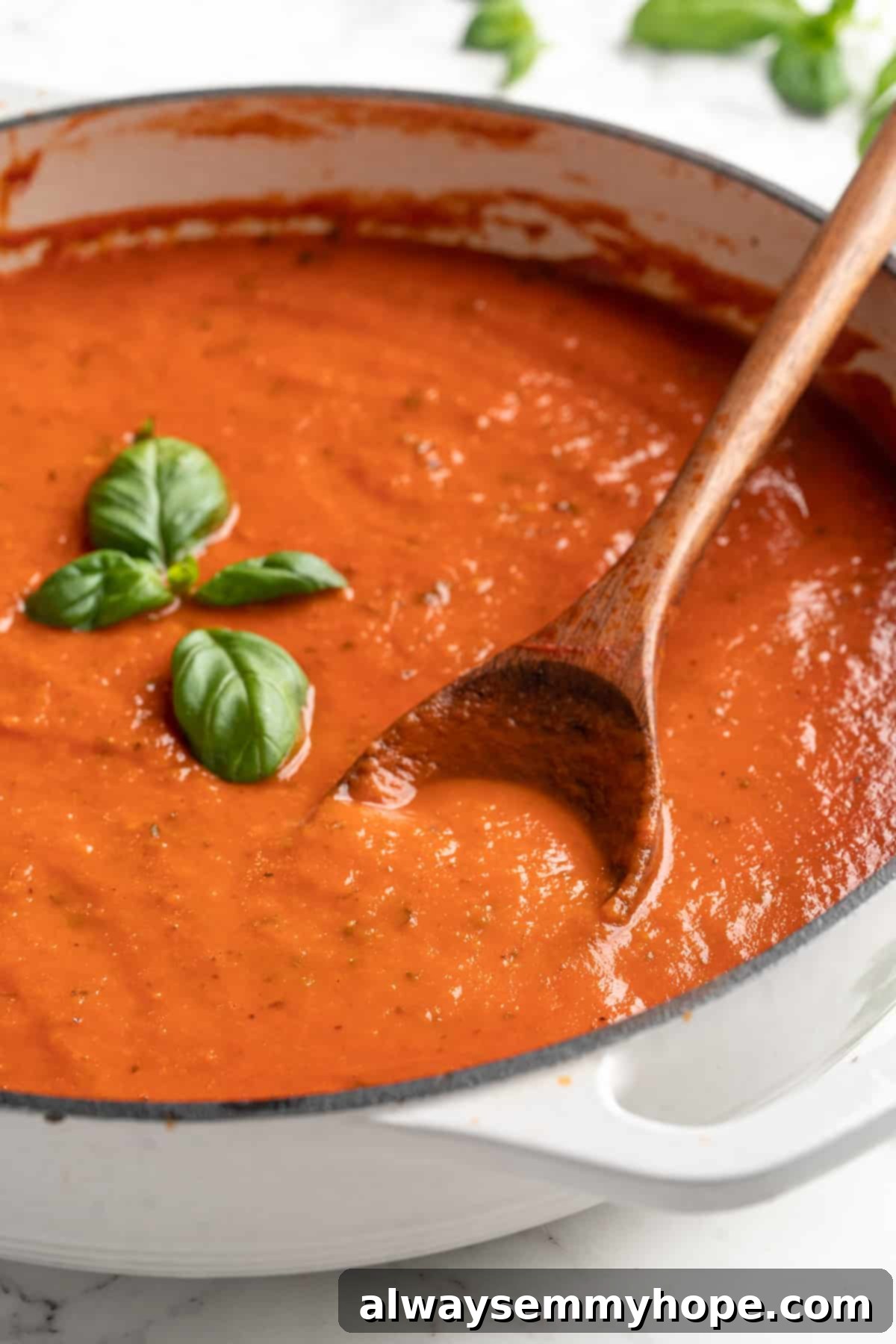
My journey to perfecting homemade tomato sauce began after a transformative trip to Italy. The sauces I tasted there were unlike anything I had experienced before – bursting with fresh, authentic flavors that supermarket jars simply couldn’t replicate. That moment sparked a mission: to recreate that unparalleled taste from scratch in my own kitchen. While I make no claims of strict “authenticity” in the traditional Italian sense, I can wholeheartedly promise you a sauce that is exceptionally delicious, deeply satisfying, and remarkably easy to achieve.
Friends, this homemade tomato sauce recipe is poised to revolutionize your cooking. It will change the way you approach pasta night, elevate your homemade pizzas, and even transform a simple tomato soup into a gourmet delight. Its rich aroma and exquisite taste are so captivating, you’ll be tempted to spoon it directly from the pot!
Why You’ll Fall in Love with This Homemade Tomato Sauce Recipe
This isn’t just another tomato sauce recipe; it’s a culinary revelation that will quickly become a staple in your kitchen. Here’s why you’ll adore it:
- Layers of Unforgettable Flavor. While seemingly simple, a truly *great* tomato sauce possesses a complex interplay of flavors, and this recipe delivers precisely that. From the initial sweetness of caramelized onions and the mellow depth of roasted garlic to the bright tang of red wine vinegar and the fragrant burst of fresh basil, every ingredient contributes to an unparalleled taste experience. It’s a symphony of savory, sweet, and acidic notes that dance on your palate, far surpassing the one-dimensional flavor of store-bought alternatives. The slow simmering process allows these layers to meld and deepen, resulting in a sauce that tastes like it has been cooking all day, even if it hasn’t.
- Incredibly Versatile for Any Meal. You’ll be amazed at how many ways you can incorporate this rich homemade tomato sauce into your cooking. It’s the perfect companion for a classic pasta dish, transforming an ordinary weeknight dinner into something special. Spread it generously on your homemade pizza dough for an authentic Italian-inspired pie. Beyond these obvious uses, it makes an excellent base for hearty soups and stews, a fantastic dipping sauce for crusty bread or arancini, or a flavorful foundation for casseroles like lasagna or baked ziti. You can even spoon it over grilled vegetables or plant-based proteins. The culinary possibilities are truly endless!
- A Dream Come True for Meal Prep. This recipe is designed to yield a generous batch of sauce, making it an ideal candidate for meal prepping. Having a supply of this delicious sauce on hand means you can whip up quick, healthy, and flavorful meals throughout the week without sacrificing taste. Imagine effortlessly assembling a pasta dish after a busy day, knowing your rich, homemade sauce is already waiting in the fridge or freezer. It also freezes exceptionally well, maintaining its exquisite flavor and texture. This makes it incredibly convenient to double or even triple the recipe, ensuring you have delicious, wholesome meals ready for months to come, saving you time and effort in the long run.
Essential Ingredients & Key Notes
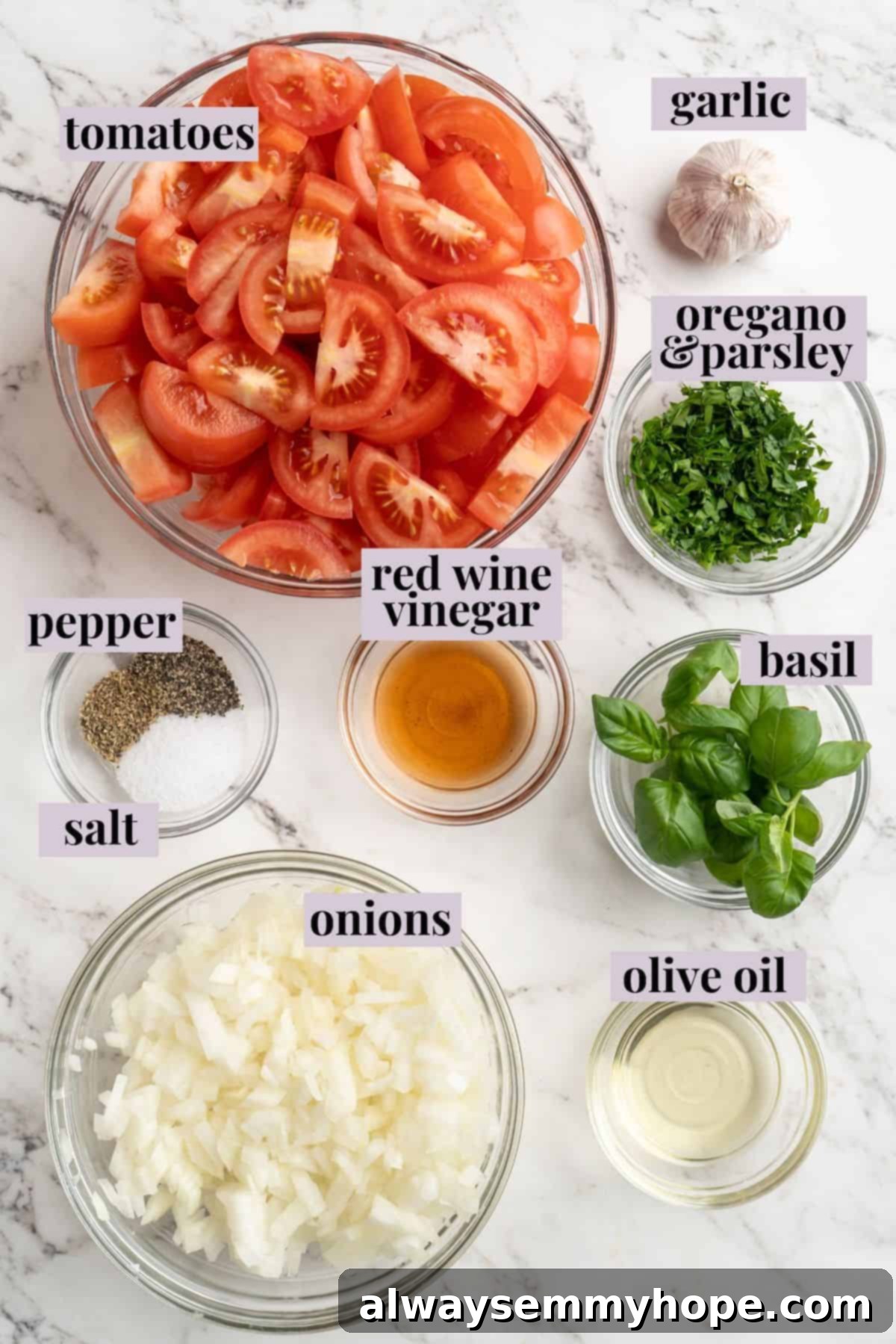
Crafting this incredible homemade tomato sauce starts with choosing the right ingredients. Each component plays a vital role in building the robust and layered flavor profile. For precise quantities and detailed cooking instructions, please refer to the comprehensive recipe card located further down.
- Garlic – You’ll need a whole head of garlic for this recipe, but don’t let that intimidate you! The magic happens through roasting, which completely transforms the garlic’s character. Roasting mellows its pungent bite, turning the cloves into sweet, caramelized, and buttery morsels that add incredible depth and a subtle, rich sweetness to the sauce without overpowering it. This slow caramelization is a game-changer compared to using raw or quickly sautéed garlic.
- Extra-Virgin Olive Oil – A high-quality extra-virgin olive oil is essential. It provides a luxurious base for sautéing our aromatics and infuses the entire sauce with its fruity, peppery notes, contributing significantly to the overall Italian-inspired flavor.
- Onions – These humble vegetables are crucial for building the foundational flavor of your sauce. When sautéed until golden brown, onions release their natural sugars, caramelizing to add a sweet, savory depth that beautifully complements the tomatoes and roasted garlic. Don’t rush this step, as proper caramelization makes a significant difference.
- Red Wine Vinegar – Just a touch of red wine vinegar acts as a secret weapon, adding a vibrant acidity that brightens the entire sauce. It cuts through the richness, balances the sweetness of the tomatoes and garlic, and awakens the flavors, preventing the sauce from tasting flat. It’s a small addition with a huge impact.
- Tomatoes – The star of our show! For the best results, I highly recommend using ripe, plump tomatoes like Roma (plum tomatoes). They are naturally sweet, have a good flesh-to-seed ratio, and break down beautifully during simmering. If fresh, seasonal tomatoes aren’t available, high-quality canned San Marzano tomatoes (whole or crushed) are an excellent alternative, renowned for their superior flavor and lower acidity.
- Salt and Pepper – These fundamental seasonings are vital for enhancing and bringing out the natural flavors of all the ingredients. Always season to taste, adding gradually until the sauce sings. Freshly ground sea salt and black pepper are always preferred for their superior flavor.
- Dried Oregano – A classic Italian herb that imparts a warm, earthy, and slightly bitter note, adding a layer of traditional Mediterranean flavor. If you happen to have fresh oregano on hand, you can certainly use it; just remember that fresh herbs are generally more potent, so you might need to adjust the quantity.
- Fresh Parsley – Parsley adds a fresh, herbaceous counterpoint to the richness of the sauce. It provides a clean, green note that brightens the overall profile and adds a touch of visual appeal.
- Fresh Basil – The quintessential herb for tomato sauce! Fresh basil delivers a sweet, peppery, and aromatic fragrance that truly defines a classic tomato sauce. You can mince it finely for an even distribution of flavor throughout, or slice it into ribbons (chiffonade) for more concentrated bursts of basil in each bite. Remember to add it at the very end to preserve its delicate flavor and aroma.
To Peel or Not to Peel: A Tomato Sauce Dilemma
A common question when making homemade tomato sauce is whether to peel the tomatoes. My personal preference, and a great time-saver, is to leave the skin on. Since I finish the sauce by pureeing it with an immersion blender, the skins break down almost completely and become imperceptible, contributing extra fiber and nutrients without altering the smooth texture. This method significantly reduces prep time without compromising flavor.
However, if you have a strong aversion to even the smallest bits of peel in your sauce, or simply prefer a traditional silky-smooth consistency, peeling is an option. It can be a bit tedious, but here’s how to do it: cut a small “X” into the bottom of each tomato. Briefly submerge them in boiling water for about 30-60 seconds, just until the skin begins to split. Immediately transfer them to an ice bath to stop the cooking process. Once cooled, the skins will easily slip right off. Choose the method that best suits your preference and time constraints!
Crafting Your Homemade Tomato Sauce: A Step-by-Step Guide
Creating this rich and flavorful homemade tomato sauce is a straightforward process that yields incredibly rewarding results. Follow these simple steps to bring your sauce to life:
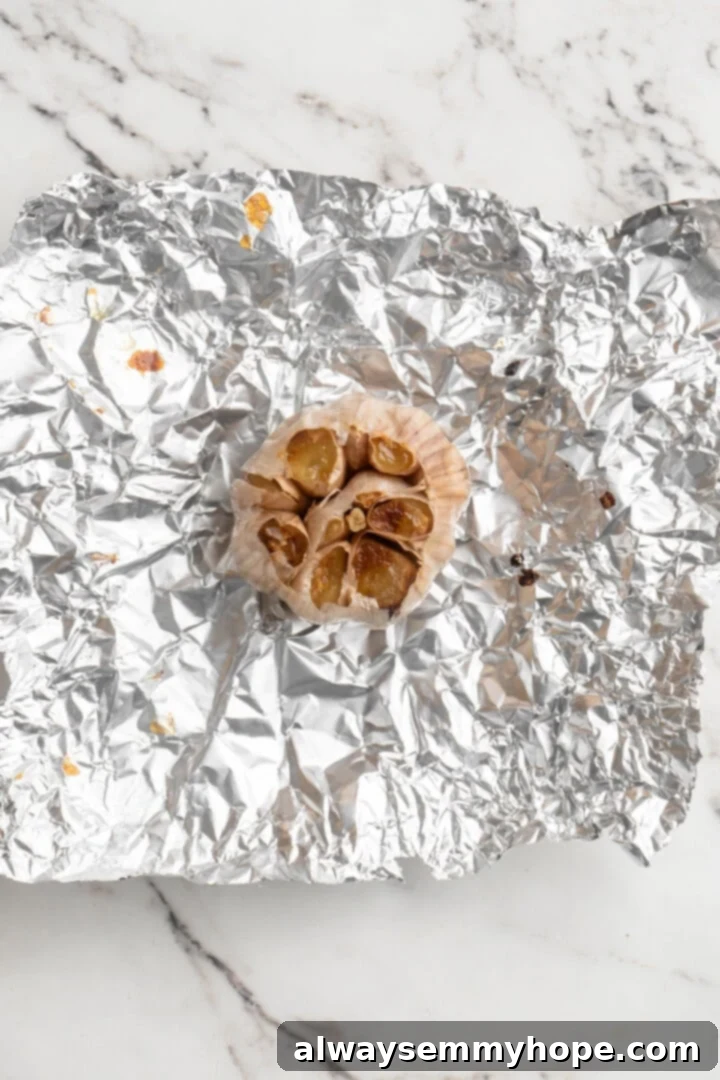
- Roast the Garlic to Perfection. This crucial first step infuses the sauce with incredible sweetness and depth. You can roast garlic in the oven, following the instructions in the recipe card, or for a quicker method, try air fryer roasted garlic. The goal is soft, golden-brown cloves that squeeze out easily. This step can even be done a day or two in advance to save time.
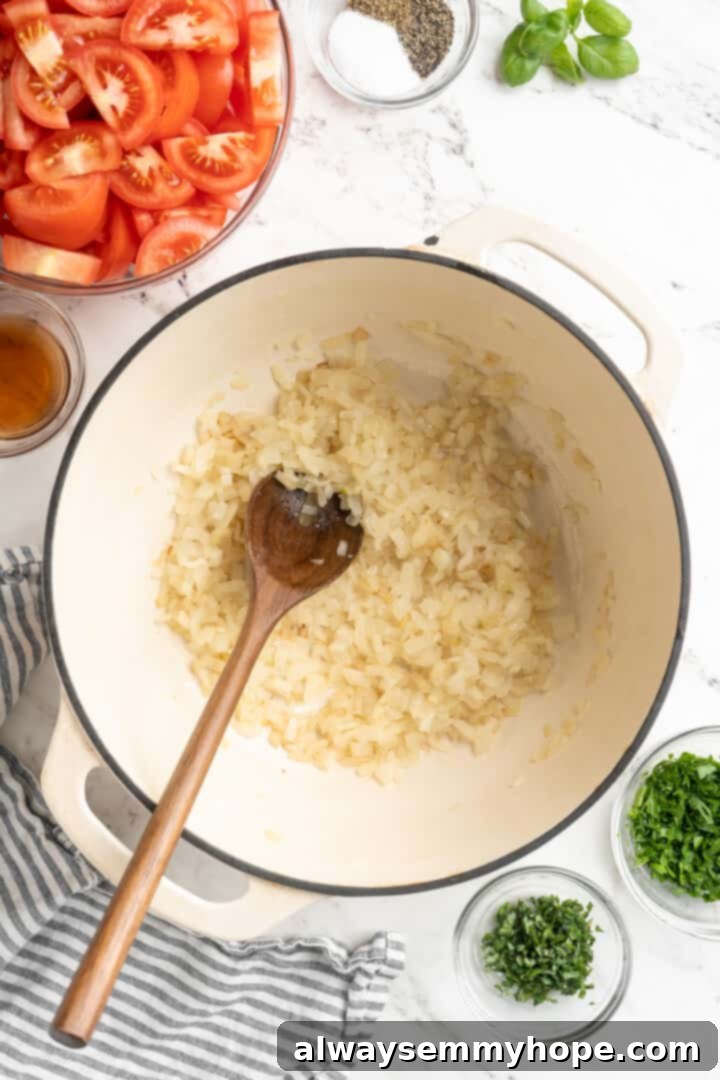
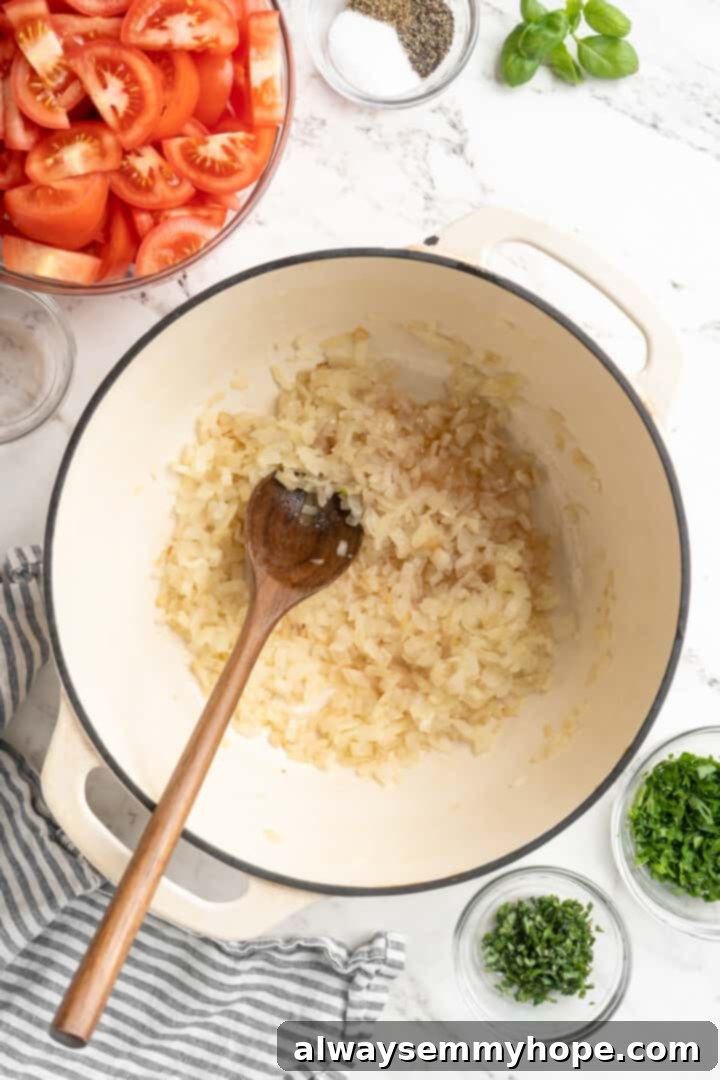
- Sauté the Onion Base. In a large, heavy-bottomed pot or Dutch oven, warm your extra-virgin olive oil over medium-high heat. Once the oil begins to shimmer, add the finely chopped onion. Cook the onions for about 5 to 7 minutes, stirring frequently, until they become translucent and beautifully golden brown. This caramelization is key to developing a rich, sweet foundation for your sauce.
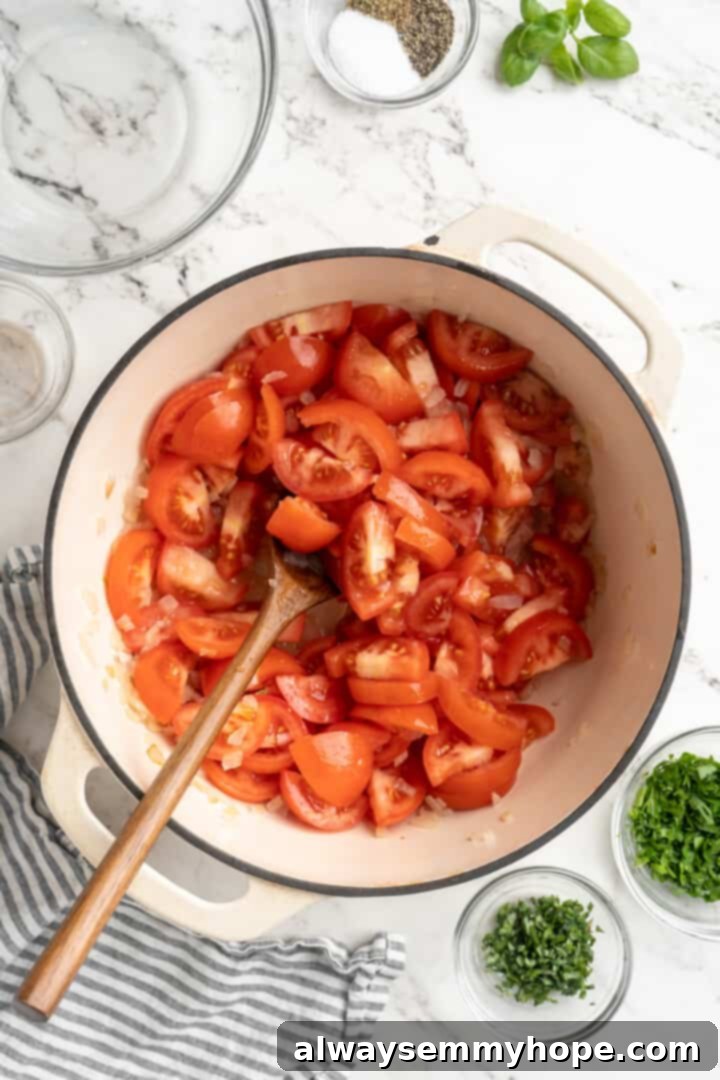
- Introduce the Tomatoes and Vinegar. Once the onions are perfectly golden, stir in the red wine vinegar. Let it sizzle for a moment, deglazing the pot and adding a burst of brightness. Immediately follow with the chopped fresh tomatoes. Stir everything together well, then cover the pot with a lid and increase the heat to medium-high. Allow the tomatoes to steam for about 8 minutes. This crucial step helps soften the tomatoes, initiating their breakdown and allowing their juices to release, intensifying their natural flavor.
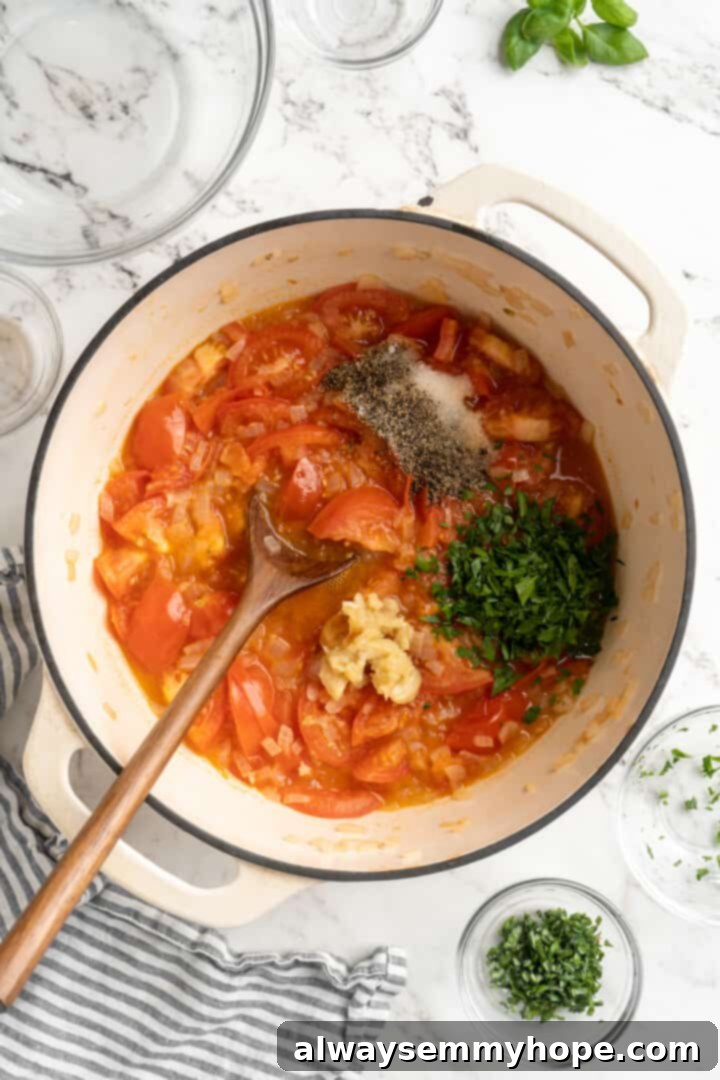
- Season and Infuse with Roasted Garlic. Reduce the heat to medium. Now, it’s time to add the flavor-boosting seasonings: salt, freshly ground pepper, dried oregano, and fresh parsley. Stir thoroughly to ensure everything is well combined. Then, gently squeeze the butter-soft roasted garlic cloves directly into the tomato mixture. Stir again, integrating the sweet garlic throughout the sauce.
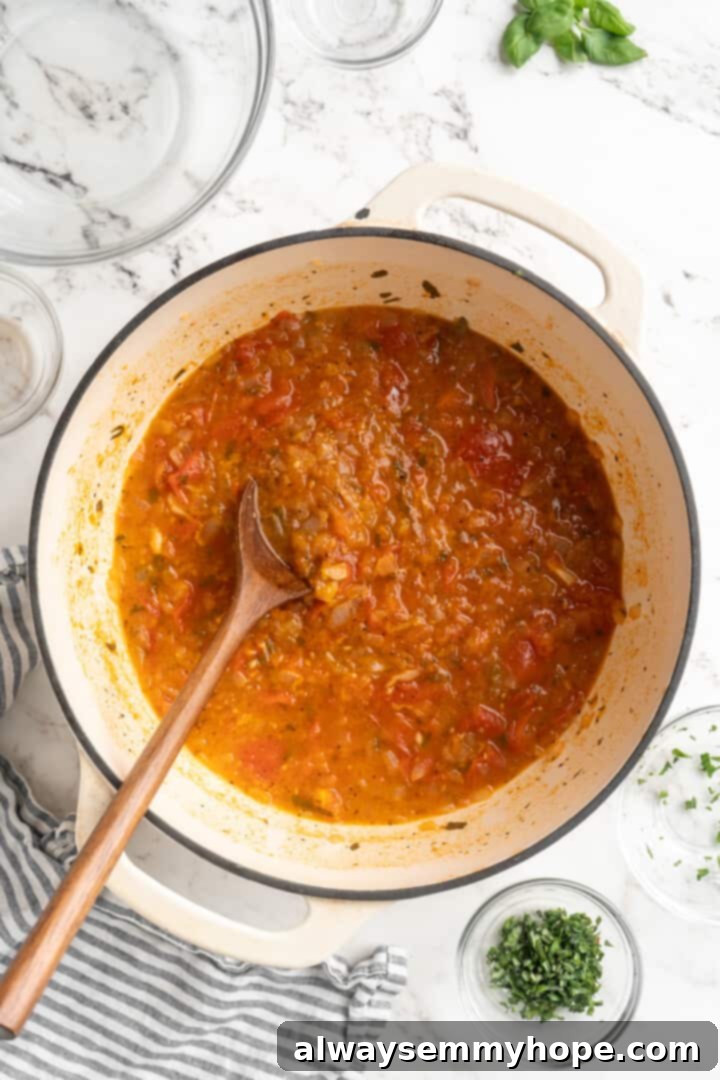
- Slow Simmer for Depth. Reduce the heat to medium-low, allowing the sauce to gently simmer. Place the pot cover back on, but leave it slightly ajar (partially covered) to allow some steam to escape and the sauce to thicken. Simmer for a minimum of 30 minutes, or for up to an hour for an even richer, more developed flavor. During this time, the tomatoes will continue to break down, and all the ingredients will meld together, creating a harmonious and deeply flavorful sauce.
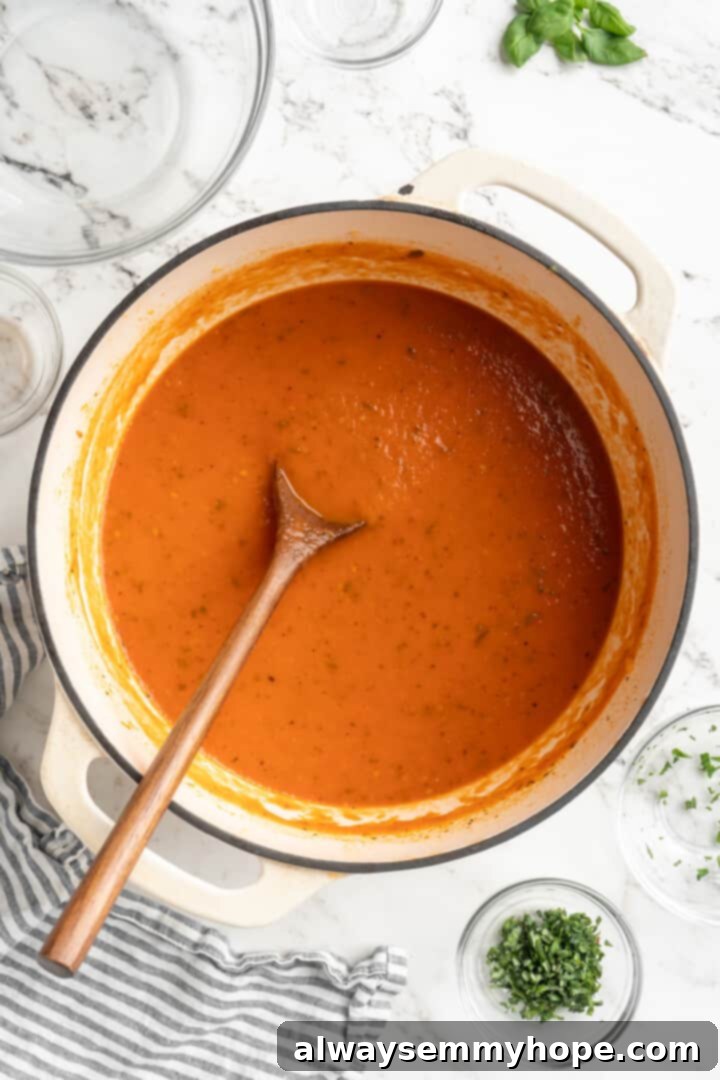
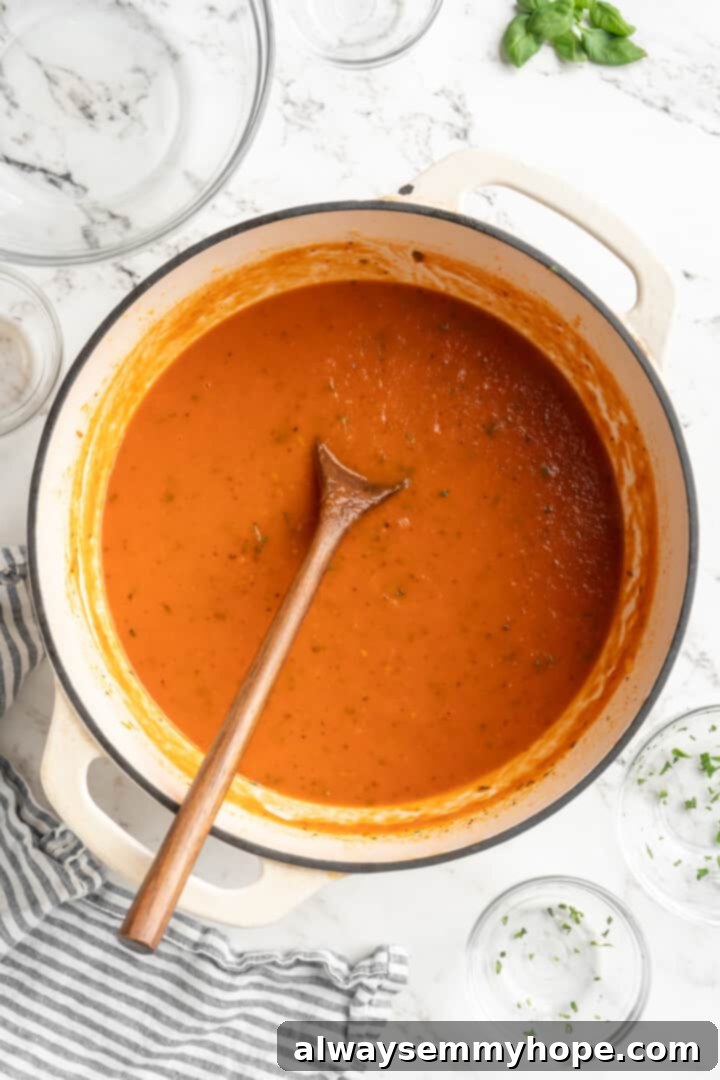
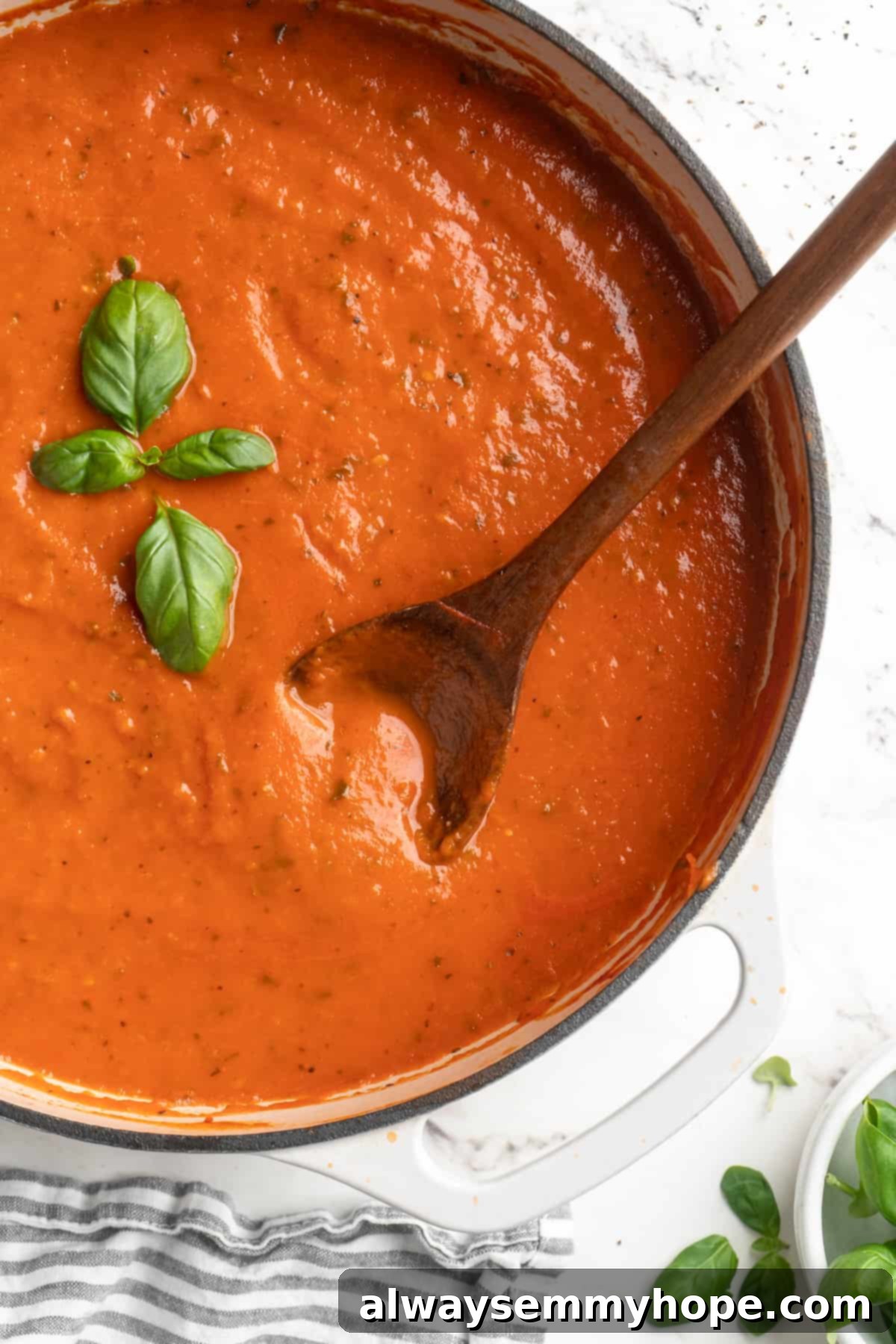
- Puree to Your Desired Consistency. Remove the pot from the heat. For a smooth and luscious sauce, use an immersion blender to blend the sauce directly in the pot until it reaches your desired consistency. If you prefer a chunkier sauce, blend only partially. If you don’t have an immersion blender, allow the sauce to cool completely before carefully transferring it in batches to a standard blender and blending until smooth.
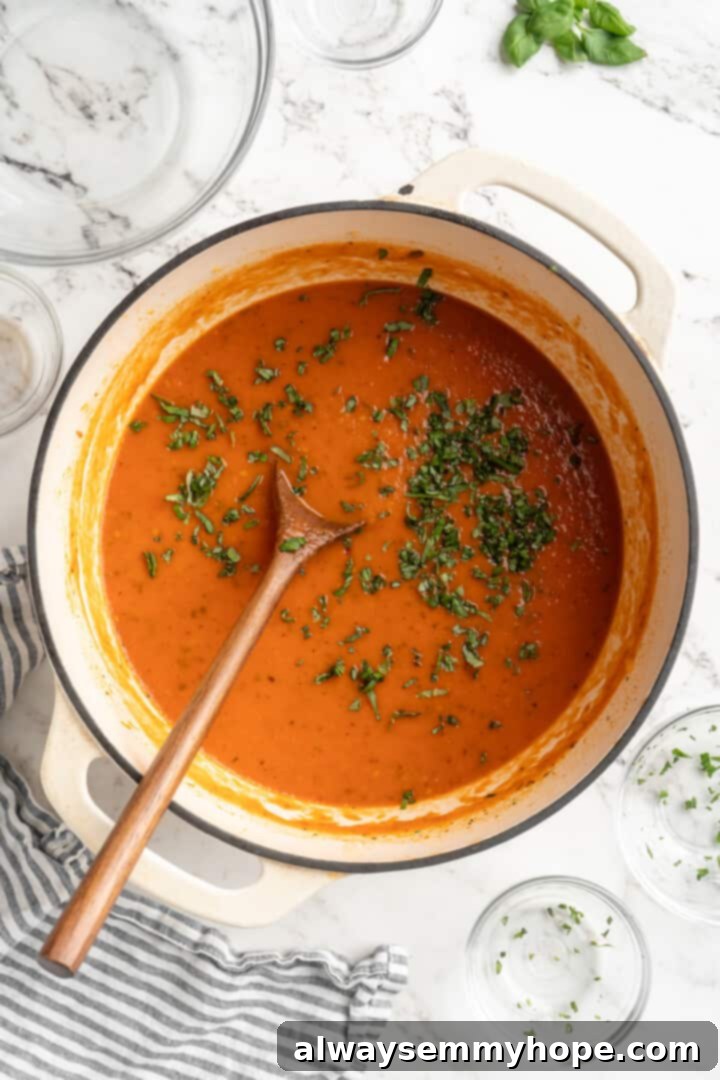
- The Finishing Touch: Fresh Basil. Stir in the freshly chopped basil. Adding basil at the very end ensures its delicate aroma and vibrant flavor remain pronounced and fresh, rather than dissipating during cooking. Serve your homemade tomato sauce immediately, or prepare it for storage in the refrigerator or freezer. Enjoy the fruits of your labor!
Expert Tips for the Best Homemade Tomato Sauce
Achieving a truly exceptional homemade tomato sauce is simple when you know a few key tricks. Follow these tips to ensure your sauce is bursting with flavor every time:
- Get a Head Start on Garlic. Roasting garlic is a fundamental step for this recipe’s unique flavor profile. To make your cooking process even smoother, consider roasting the garlic a day or two before you plan to make the sauce. Once roasted and cooled, you can easily refrigerate the soft cloves in an airtight container until you’re ready to incorporate them into your recipe. This small bit of prep work significantly streamlines your cooking experience.
- No Immersion Blender? No Problem! An immersion blender is incredibly convenient for pureeing the sauce directly in the pot. However, if you don’t own one, a standard blender works just as well. The most important safety tip here is to allow the sauce mixture to cool completely before transferring it to a regular blender. Blending hot liquids can create pressure, causing the lid to forcefully pop off and creating a dangerous mess. Blend in small batches if needed, until smooth.
- Always Add the Basil Last. Fresh basil is delicate, and its signature sweet and aromatic compounds are sensitive to prolonged heat. If added too early in the cooking process, its vibrant flavor and fragrance will dissipate. For the most pronounced and fresh basil notes, always stir it into the sauce right at the very end, just before serving or storing. This preserves its bright essence and prevents it from becoming muted or bitter.
- Allow Flavors to Develop Overnight. While this homemade tomato sauce is undeniably delicious served immediately, its flavors truly deepen and meld after a night in the refrigerator. The resting period allows the various ingredients to “marry,” resulting in a more harmonious, complex, and rounded taste. If time permits, making the sauce a day ahead is highly recommended for an even more exquisite result.
- Taste and Adjust Seasoning as You Go. Culinary success often hinges on proper seasoning. Don’t be afraid to taste your sauce at various stages of cooking – after the initial simmer, and especially before serving. You might find it needs a little more salt, a pinch of sugar to balance acidity, or an extra grind of black pepper. Trust your palate!
- Quality Ingredients Matter. The fewer ingredients in a recipe, the more each ingredient shines. Using ripe, fresh, good-quality tomatoes and excellent extra-virgin olive oil will make a noticeable difference in the final flavor of your sauce. Invest in the best you can find!
Delicious Variations to Customize Your Sauce
This homemade tomato sauce is fantastic as is, but its versatile nature also makes it an excellent canvas for customization. Feel free to experiment with these variations to tailor the sauce to your personal preferences and the specific dish you’re preparing:
- Herbaceous Adventures. While basil, oregano, and parsley are classic, don’t hesitate to switch up the herb profile. You can add a sprig of fresh rosemary or thyme during the simmering process for a more rustic flavor, or a bay leaf for added depth (remember to remove it before blending). Experiment with more of some herbs and less of others, or introduce new ones like marjoram or a pinch of sage.
- Wine for Complexity. For an even deeper, more nuanced flavor, you can swap the red wine vinegar for a splash of actual red or even white wine. Add about 1/4 to 1/2 cup of dry wine after sautéing the onions, allowing it to simmer and reduce by half before adding the tomatoes. The alcohol will cook off, leaving behind a rich, complex undertone.
- Balancing Act with Sweetness. The natural sweetness of your chosen tomatoes will largely dictate the balance of the sauce. If your tomatoes are a bit tart or if you simply prefer a sweeter sauce, you can add a tablespoon of sugar (or a touch of maple syrup for a vegan option) to help balance out the acidity. Add it during the simmering stage and taste to adjust.
- Textural & Flavorful Add-Ins. After blending the sauce, you can stir in a variety of ingredients for extra texture and bursts of flavor. Consider adding briny chopped olives, salty capers, tender sautéed mushrooms, thinly sliced or diced green bell peppers, or even a handful of spinach that will wilt into the warm sauce. For a touch of heat, a pinch of red pepper flakes can be added with the other seasonings.
- Smoky Undertones. For a subtle smoky flavor, you could add a pinch of smoked paprika along with the dried oregano, or even a tiny amount of liquid smoke (use sparingly!). This works wonderfully if you plan to use the sauce in dishes like chili or a smoky pasta bake.
Inspired Serving Suggestions
This homemade tomato sauce is so versatile, it will instantly become your go-to for countless dishes. Here are just a few ideas to get your culinary creativity flowing:
Spoon this rich and comforting sauce generously over a heaping plate of vegan spaghetti and meatballs for a classic, satisfying meal. It’s also the perfect base for building an incredible vegetable lasagna, creating layers of flavor with every bite. Use it to fill vegan stuffed shells, or pile it high on vegan chicken parm sandwiches. Beyond these, imagine it as the star in a hearty minestrone soup, served over fluffy gnocchi, or as the rich base for shakshuka. Don’t forget to serve it alongside plenty of crusty bread or our irresistible roasted garlic bread – essential for soaking up every last, delicious drop from your plate!
How to Store Your Homemade Tomato Sauce
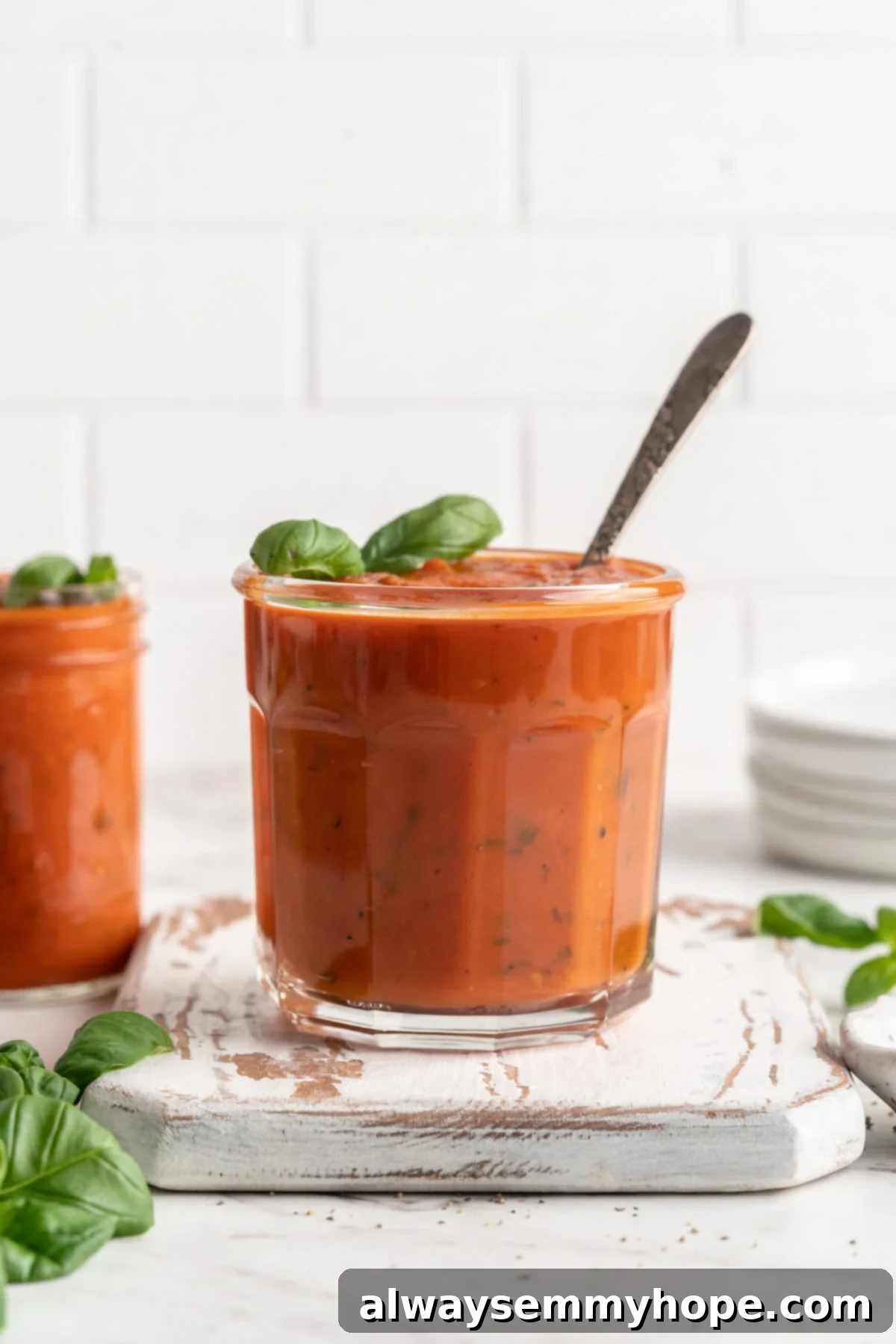
Proper storage is key to enjoying your delicious homemade tomato sauce for days or even months to come. Once cooled, transfer the sauce into clean, airtight mason jars or other suitable food storage containers. When refrigerated, this homemade tomato sauce will maintain its freshness and exceptional flavor for 5 to 10 days. To reheat, simply transfer the desired amount to a saucepan and warm gently over medium heat on the stovetop, stirring occasionally, until heated through.
Can I Freeze This Homemade Tomato Sauce? Absolutely!
Freezing this homemade tomato sauce is one of its greatest advantages for meal prep, allowing you to enjoy its fresh taste long after it’s made. I highly recommend making a double batch specifically for stocking your freezer!
To freeze, ensure the sauce has cooled completely to room temperature. You can freeze it in various ways: in airtight freezer-safe containers, leaving a little headspace for expansion; in freezer bags (lay them flat to freeze, then stack them for maximum freezer space efficiency); or even in ice cube trays for smaller, individual portions. Frozen, this sauce will retain its quality and flavor for up to 6 months.
When you’re ready to use it, simply thaw frozen bags of sauce in a bowl of hot water (for a quick thaw) or, ideally, transfer it to the refrigerator overnight. Once thawed, reheat the sauce gently on the stovetop over medium heat, stirring until it’s warm and ready to serve. This makes healthy, flavorful meals incredibly convenient!
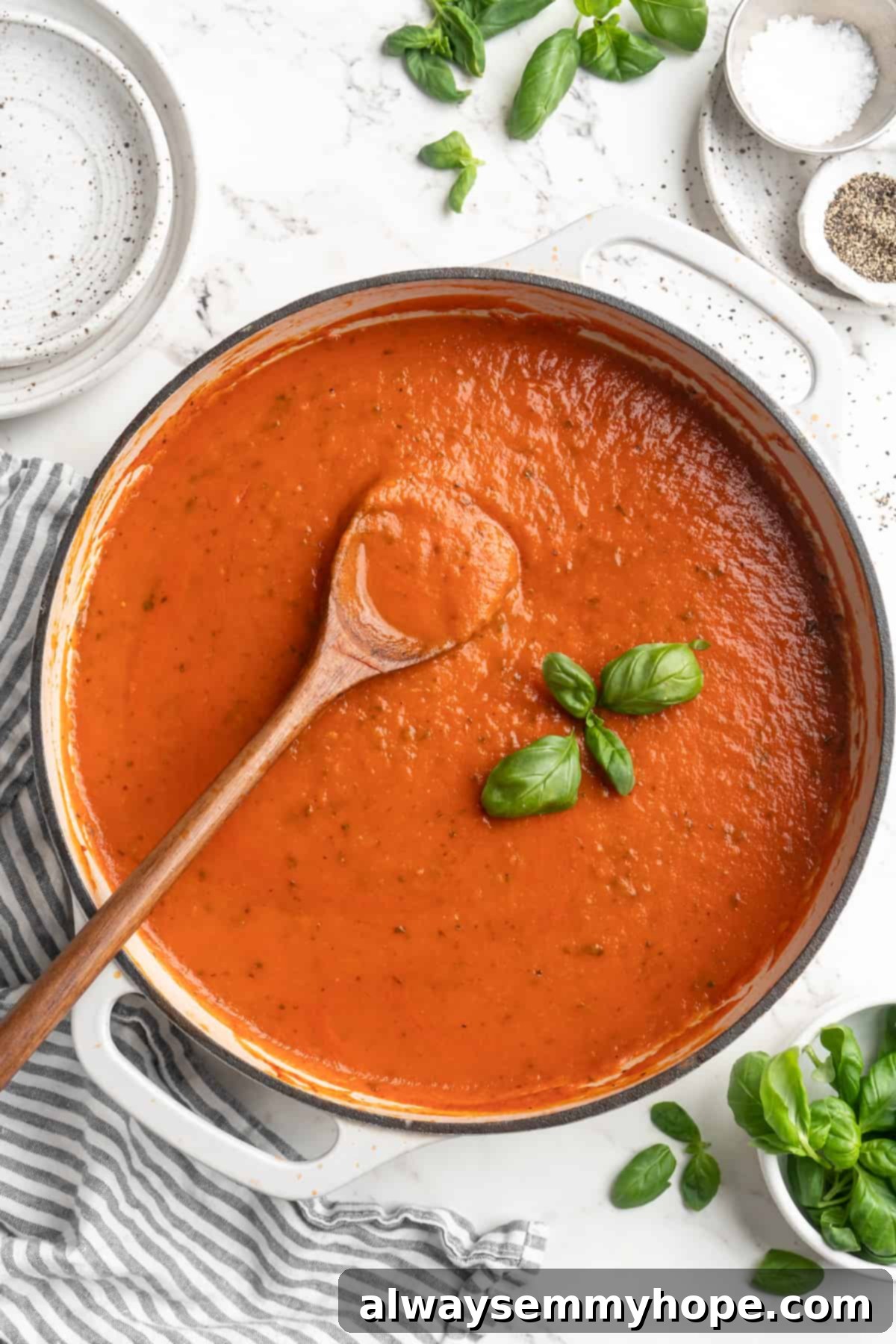
Enjoy, friends! This homemade tomato sauce is truly a labor of love that will bring incredible flavor to your table. If you make this recipe, we’d absolutely love to see your creations! Please snap a photo and tag #jessicainthekitchen on Instagram. Your feedback means the world to us, so please also consider leaving a comment below and giving the recipe a rating. Thank you so much for cooking with us!
More Essential Kitchen Basics Recipes to Master
Once you’ve conquered this incredible homemade tomato sauce, why not expand your repertoire with more fundamental kitchen staples? Mastering these basic recipes will empower you to create even more delicious and wholesome meals from scratch:
- Creamy & Tangy Vegan Sour Cream
- How to Make Flavorful Vegetable Broth from Veggie Scraps
- Homemade Vegan Butter (Nut-Free Version Included!)
- Mastering How to Caramelize Onions: Easy & Life-Changing
- Tofu 101: Expert Tips for Making the Most Delicious Tofu Every Time
Homemade Tomato Sauce
Pin Recipe
Leave a Review
Ingredients
- 1 large head garlic, about 10 cloves + drizzle of olive oil, roasted
- 2 tablespoons extra virgin olive oil or virgin olive oil
- 2 medium yellow onions, finely chopped
- 1 tablespoon red wine vinegar
- 5 lbs. fresh ripe plummy tomatoes, washed, stems removed, and roughly chopped
- 1 1/4 teaspoons freshly ground sea salt
- 3/4 teaspoon freshly ground black pepper
- 1/2 teaspoon dried oregano or 1 tablespoon chopped fresh oregano
- 1/4 cup chopped fresh parsley
- 1 bunch fresh basil, chopped (adjust to your preference, typically up to 1/4 cup)
Instructions
- Preheat your oven to 450 ° F (230° C). Prepare the garlic by cutting off the very top of the head, just enough to expose the cloves slightly while keeping the head intact. Place the garlic head on a piece of aluminum foil, drizzle with a little olive oil, and wrap the foil securely around it. Roast in the preheated oven for 45 minutes, until the cloves are butter-soft and caramelized. You can roast the garlic ahead of time or while you prepare the other ingredients.
- In a large, heavy-bottomed pot or Dutch oven, heat the extra-virgin olive oil over medium-high heat. Once the oil is shimmering, add the chopped onion and sauté for about 5-7 minutes, stirring frequently, until the onions are translucent and have turned a lovely golden brown. Stir in the red wine vinegar and allow it to deglaze the pot for a minute. Then, add the roughly chopped tomatoes and stir everything together. Cover the pot with a lid and increase the heat to medium-high. Allow the tomatoes to steam for 8 minutes; this softens them, helps them break down, and infuses them with flavor. The released liquid will prevent burning, but you can check occasionally.
- Remove the pot from the direct high heat and reduce the burner temperature to medium. Add the salt, black pepper, dried oregano, and fresh parsley to the pot, stirring well to combine all the seasonings. Gently squeeze the soft, roasted garlic cloves directly from their skins into the tomato mixture. Stir everything together once more, ensuring the garlic is well distributed.
- Reduce the heat to medium-low, so the sauce is at a gentle simmer. Place the pot cover back on, but leave it slightly ajar (partially covered) to allow steam to escape and the sauce to thicken. Simmer for a minimum of 30 minutes, or for up to an hour for maximum flavor development. During this time, the tomato skins will soften and almost dissolve, and all the ingredients will become extremely tender and beautifully combined. Remove the pot from the heat and use an immersion blender to blend the sauce directly in the pot until it reaches your desired smooth consistency. Finally, stir in the freshly chopped basil.
- Allow the sauce to cool slightly before serving. While it can be enjoyed immediately, the flavors truly deepen and meld beautifully after resting in the fridge overnight. Transfer the cooled sauce into clean mason jars or airtight containers for storage in the refrigerator. Enjoy your homemade masterpiece!
Notes
- This recipe is naturally vegan and gluten-free, making it suitable for a variety of dietary needs. The prep time listed does not include the 45-minute garlic roasting time, which can be done simultaneously with other steps or prepared in advance.
- Feel free to customize the herb profile to your liking. You can adjust the quantities of existing herbs or introduce new ones like thyme or rosemary for a different flavor dimension.
- For a richer taste, you can substitute the red wine vinegar with a dry red or white wine. Add it after the onions have sautéed and reduce it by half before adding the tomatoes.
- If you don’t have an immersion blender, allow the sauce to cool completely before transferring it in batches to a standard blender to puree until smooth.
- The sweetness of tomatoes can vary. If your sauce tastes a bit acidic, you can balance it by stirring in about a tablespoon of sugar (or your preferred sweetener) during the simmering stage, tasting and adjusting as needed.
Disclaimer: Although jessicainthekitchen.com attempts to provide accurate nutritional information, kindly note that these are only estimates. Nutritional information may be affected based on the product type, the brand that was purchased, and in other unforeseeable ways. Jessicainthekitchen.com will not be held liable for any loss or damage resulting for your reliance on nutritional information. If you need to follow a specific caloric regimen, please consult your doctor first.