
Mastering Pinterest: 10 Essential Strategies for Content Creators to Boost Engagement and Traffic
Last month, I had the incredible opportunity to visit the Pinterest HQ in San Francisco. It was an inspiring experience, exploring their vibrant office and connecting with the innovative minds behind the platform. During my visit, I gained invaluable insights and learned ten top tips specifically designed for content creators. These aren’t just theoretical suggestions; they are actionable strategies straight from the source, and I couldn’t wait to share them with you to help you unlock Pinterest’s full potential.
My journey to the Pinterest HQ began with an exciting invitation to join Pinterest’s Creator Collective – an initiative I’m incredibly enthusiastic about and will certainly be sharing more about with you all! The visit included a wonderful tour led by Lauren, Pinterest’s Community Marketing Manager. Her energy and kindness were infectious, making the experience even more memorable. It was fantastic to meet her in person after our recent phone conversation about the Creator Collective, solidifying our connection.
Beyond the insightful tour and delightful company, I left Pinterest with some fantastic swag, excellent vegan dining recommendations, and a wealth of practical advice tailored for content creators. What I truly appreciate about Pinterest is its universal applicability. Whether you’re a food blogger showcasing recipes, a wedding photographer compiling inspiration boards, a DIY enthusiast sharing projects, an architect presenting designs, or a fashion editor curating trends, Pinterest offers a unique and powerful platform for visibility. Even if you’re using Pinterest purely for personal projects or hobbies, understanding these creator-centric tips can provide a fresh perspective on how the platform operates behind the scenes. As a highly visual person myself, I instinctively turn to Pinterest as my primary search engine for almost everything. After all, aren’t we all creators at heart, constantly seeking inspiration and new ways to express ourselves?
https://www.instagram.com/p/Bg2ba8-H3k2/?taken-by=jessicainthekitchen
Understanding Pinterest: A Visual Discovery Engine
For those who might be new to Pinterest, or perhaps, like my wonderful dad who just joined last month to follow my journey (thanks, dad!), a brief explanation is in order. Pinterest is far more than just a social media site; it’s a powerful visual discovery engine designed to help you find inspiration, plan projects, and pursue your passions. When you share your ideas, content, and creations on Pinterest, you’re not just posting; you’re sparking creativity and empowering millions of Pinners worldwide to explore new interests, try new things, and bring their dreams to life. It’s a space where intentions meet action, making it an invaluable tool for creators looking to reach an engaged audience.
10 Game-Changing Tips for Content Creators from Pinterest HQ
- Switch to a Business Account and Claim Your Website.
This is undoubtedly the foundational step for any serious content creator on Pinterest. A business account is entirely free and grants you access to an array of professional tools and invaluable analytics. These analytics offer deep insights into how your content performs, who your audience is, and what resonates most with them, empowering you to refine your strategy. Beyond that, claiming your website is crucial. It ensures that Pinterest correctly attributes all pins originating from your site back to you, enhancing your brand’s credibility and visibility. It also enables Rich Pins, which automatically pull additional context from your website (like recipe ingredients or product availability) directly into your pins, making them more informative and appealing. Furthermore, a claimed website elevates your profile’s professional appearance, signaling to Pinners that you are a trusted source of high-quality content.
- Prioritize Your First Five Daily Pins and Board Relevancy.
Here’s a major pro tip straight from Pinterest: the first five pins you save each day receive priority for distribution within the platform. This means these pins have a higher chance of being seen by a wider audience. To maximize this advantage, ensure these initial pins are your absolute best, most engaging content. Furthermore, when saving a pin, always save it to the *most relevant* board first. This initial save to the ideal category not only helps Pinterest understand the context of your pin but also ensures it gets distribution priority within that specific niche. Saving pins to irrelevant boards can actually hinder their reach and may even negatively impact the overall distribution of your content, as it signals to the algorithm that your content lacks focus.
- Don’t Fear Pinning Abundance – Just Be Organized.
Many creators worry about “over-pinning” or cluttering their profile, but Pinterest encourages a rich, diverse content strategy. You won’t be penalized for having a large number of pins. The key is to maintain excellent organization within your boards (a point we’ll revisit with Tip #6). Instead of pinning everything at once, aim for a regular, consistent saving schedule throughout the day or week. It’s also perfectly acceptable, and even beneficial, to have multiple pins that link back to the same webpage or piece of content. This strategy allows you to test different visuals, headlines, and descriptions, appealing to various segments of your audience. Just make sure each pin linking to the same URL has a unique, descriptive text that improves its SEO and provides fresh context for the Pinner.
- Leverage Hashtags for Discovery.
Yes, hashtags are alive and well on Pinterest, and they are incredibly powerful for content discovery! You should aim to use up to 20 relevant hashtags per pin. Unlike some social platforms where hashtags can be quirky or humorous, Pinterest hashtags function more like broad search terms or categories. Think descriptively: #springfashion is effective, whereas #ilookterribleinhats is not. For food bloggers, for example, consider hashtags that describe main ingredients (#chickpeacurry), cooking methods (#bakedrecipes), dietary restrictions (#glutenfree), or occasions (#weeknightdinner). Specific, clear hashtags like #cleaneating or #plantbased will help your pins reach users actively searching for that content, significantly boosting visibility and engagement.
- Strategically Name Your Boards for SEO.
The names of your Pinterest boards are crucial for discoverability. They should be specific, descriptive, and highly relevant to your target audience. Incorporate strong keywords into both the board name and its description. For instance, instead of “Yummy Food,” use “Vegan Dinner Recipes” or “Healthy Dessert Ideas.” Avoid adding unnecessary spaces or special characters between letters, as people search for standard terms. Well-optimized board names make it significantly easier for users to find your content when they search on Pinterest. Aim to create at least five cohesive and specific boards initially to provide a strong foundation for your profile, signaling clear niches to both Pinterest’s algorithm and your potential followers.

- Utilize Board Sections for Enhanced Organization.
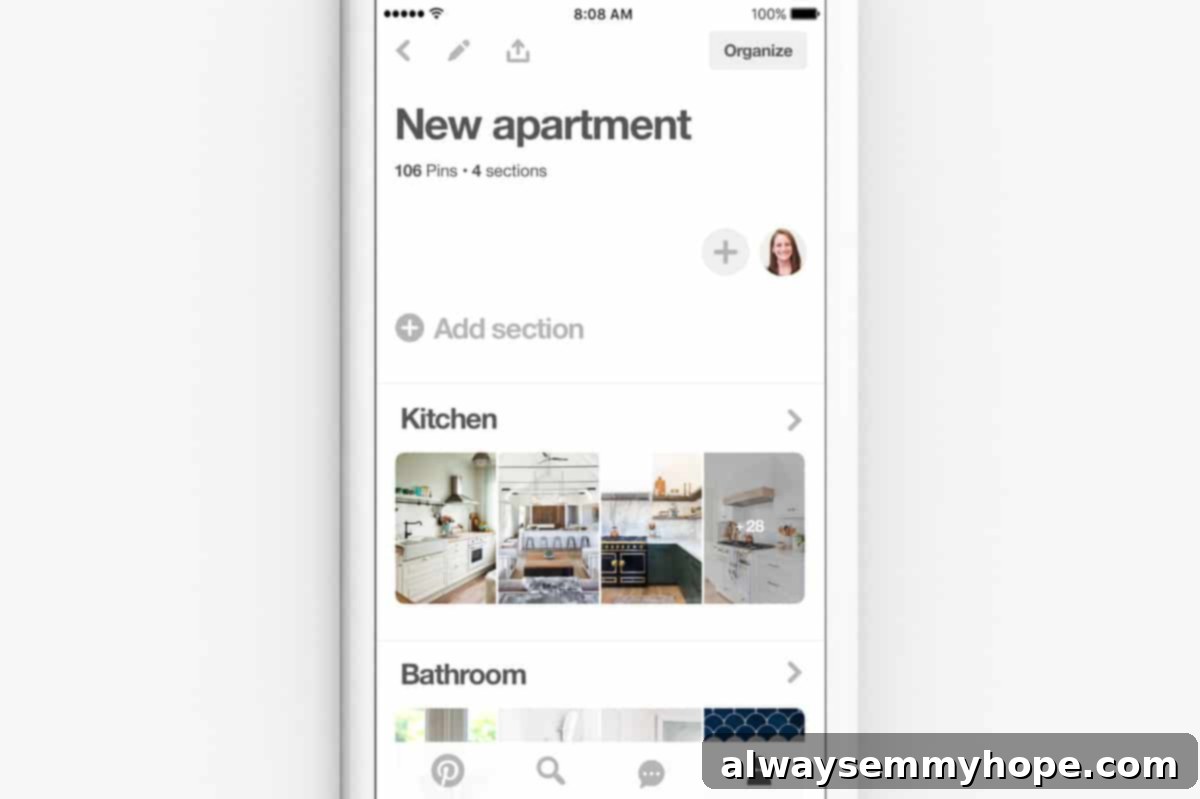
The “sections” feature on Pinterest is a game-changer for organization, both for you as a creator and for your audience’s user experience. I actually discovered the power of this feature after seeing one of my readers re-pin a recipe into her own board sections! Sections allow you to categorize pins even deeper within a single board. For example, if you have a broad “Vegan Recipes” board, you can create sections like “Vegan Meats,” “Vegan Salads,” “Desserts,” or “Breakfast Ideas.” This level of organization not only helps you keep your vast content library beautifully structured but also makes it incredibly easy for Pinners to navigate your boards and find exactly what they’re looking for, encouraging more engagement and saves. Stay updated on features like this by regularly checking Pinterest’s official blog.
- Design Pins with the Ideal Aspect Ratio.
Visual appeal is paramount on Pinterest. The platform actively optimizes for pins that fit within its preferred aspect ratios, making your content look its best and perform more effectively. The ideal aspect ratio is 2:3, meaning your pin should be taller than it is wide, such as 600×900 pixels. A square format (600×600 pixels) also works well, but longer pins (exceeding 1260 pixels in height) will be truncated in feeds, potentially cutting off important information or branding. Focusing on these dimensions ensures your pins are fully displayed, clear, and impactful. Always prioritize high-quality imagery, clear text overlays, and consistent branding. This short video on Pinterest’s blog offers a great reminder of basic design principles for effective pins.
- Plan and Pin Content Approximately 45 Days in Advance.
Pinterest is fundamentally a planning platform. Users go there to plan major life events, seasonal celebrations, and future projects well in advance. This behavioral insight is crucial for content creators: start saving and scheduling pins for upcoming trends, seasons, and holidays around 45 days before they become relevant. For instance, people begin planning their Thanksgiving meals or Christmas gifts months ahead. By publishing your holiday recipes, decor ideas, or gift guides early, you position your content to be discovered precisely when users are in their planning phase. This often means designing content for Pinterest even earlier than you would for other social media platforms. Prioritize visual appeal and adhere to the ideal aspect ratios to ensure your early pins capture attention effectively.
- Deep Dive into Pinterest Analytics for Strategic Insights.
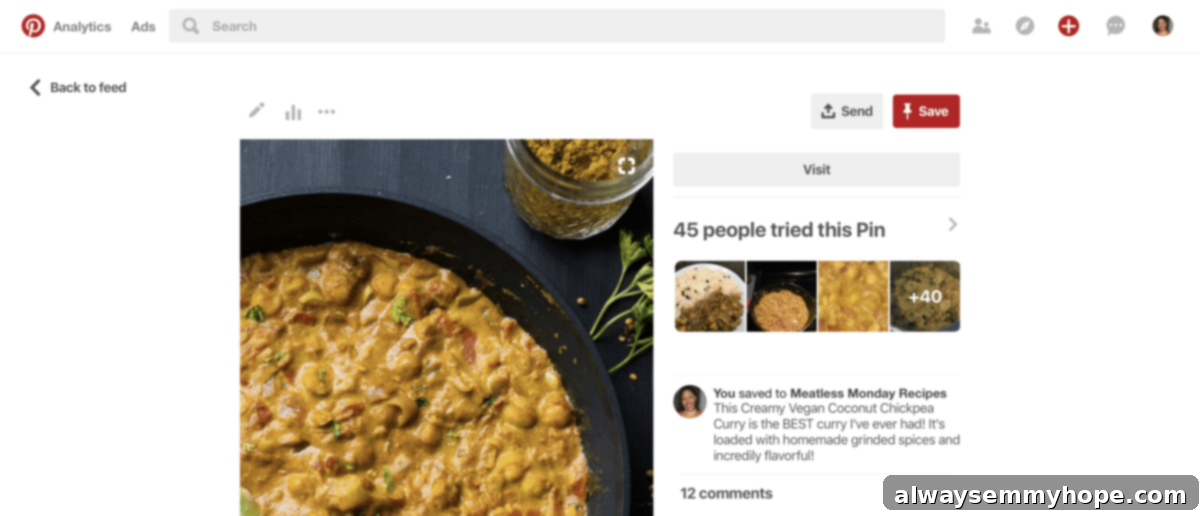
Your Pinterest Business account comes with a powerful analytics dashboard (https://analytics.pinterest.com) that is a goldmine of information. This hub provides comprehensive data about your Pinterest profile, your linked website, and how Pinners interact with your content. You can track key metrics like impressions, outbound clicks to your site, saves, and your most popular pins. Analyzing this data allows you to understand what content performs best, identify trends, and tailor your future strategy. During my analytics review at HQ with Lauren, I was fascinated to learn that users can even upload photos of your recipes they’ve made to your pins! I discovered dozens of reader-submitted photos I’d never seen. Not only was it incredibly rewarding to see their creations, but it also offered invaluable feedback on what recipes were truly loved. This direct insight inspired my Vegan Butter Chicken post, which has since become the fastest-growing post on my blog – a testament to the power of data-driven content creation!
- Regularly Read Pinterest’s Official Blogs.
To stay ahead of the curve, make Pinterest’s official blogs a regular part of your content creator reading list. Both the business blog and Newsroom blog are packed with vital information. They are the primary source for announcements about new features (like being able to reorder your pins), algorithm updates, and crucial insights like Pinterest’s Top 100 Trends. By following these blogs, you’ll be among the first to know about changes and opportunities, allowing you to adapt your strategy proactively. This continuous learning is essential for maintaining a competitive edge and ensuring your Pinterest strategy remains optimized and effective.
More Fun Tips & Places for Inspiration
Beyond the detailed tips, here are some additional resources and features to keep you inspired and informed:
- Pinterest’s Business Blog: Your go-to for all things related to leveraging Pinterest for your brand or business.
- Pinterest’s Top 100 Trends: This annual report is a treasure trove of predictive insights, showing you what Pinners are searching for and planning for in the coming year. It’s an excellent resource for content planning.
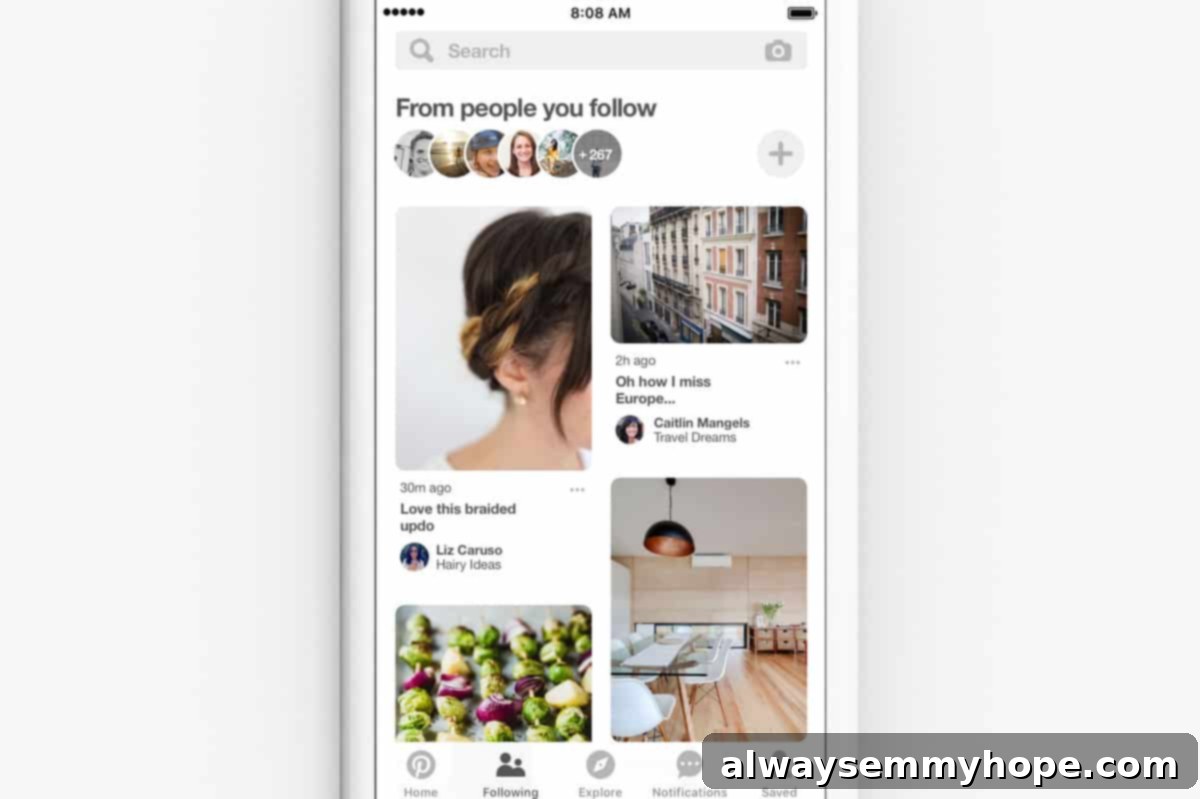
- The Following Tab (inside Pinterest): This relatively new feature is a fantastic way to discover fresh ideas and keep up with the content being shared by the people and brands you admire and follow. You can curate this feed to ensure you’re only seeing content that truly aligns with your interests and taste, making it a personalized source of inspiration.
I sincerely hope these insights from Pinterest HQ empower you to refine your content strategy and achieve greater success on the platform. It’s been a genuine pleasure to partner with Pinterest and share these incredible tips and a glimpse behind the scenes with you all. This post is not sponsored, but rather a reflection of my excitement and belief in the power of Pinterest for creators.